Degas prints
47 prints
Edgar Degas (1834–1917) showed with the Impressionists but called himself a realist. He is known for dancers, bathers, racecourses and café scenes seen from unusual angles, in oil, pastel, monotype and print.
-
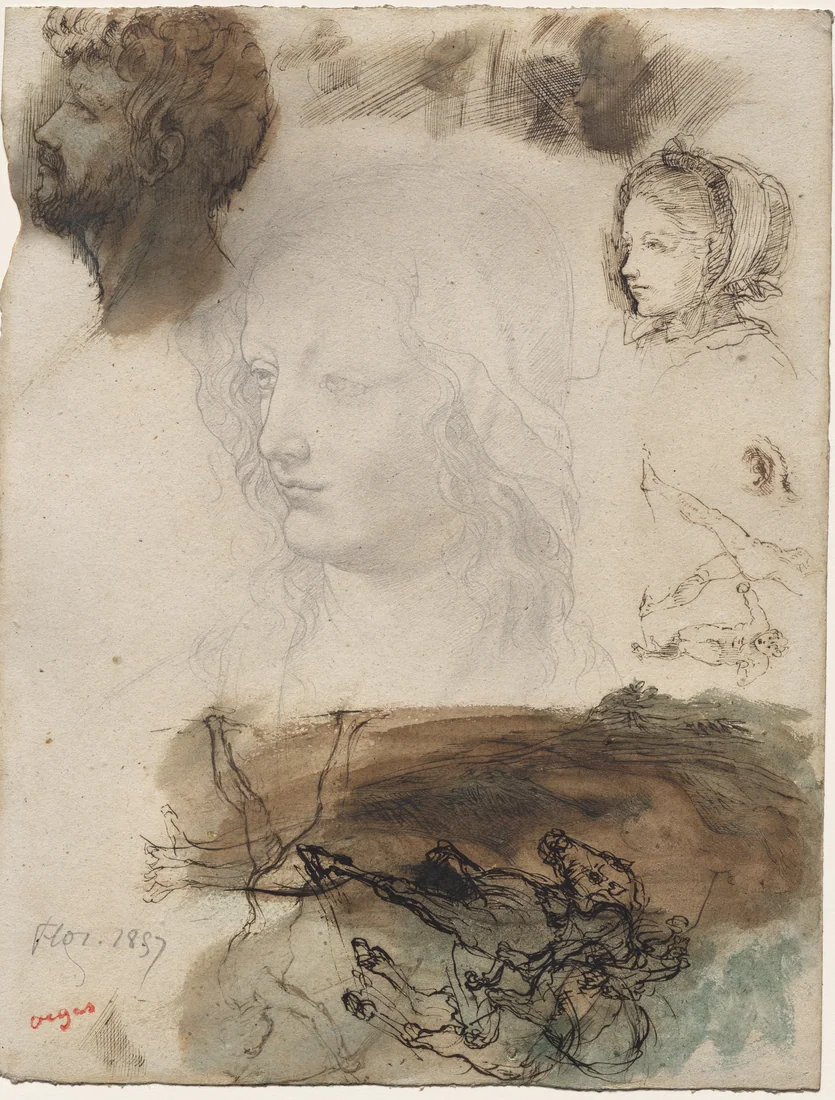 Edgar Degas
Sheet of Studies and Sketches, 1858
from 399 kr
-
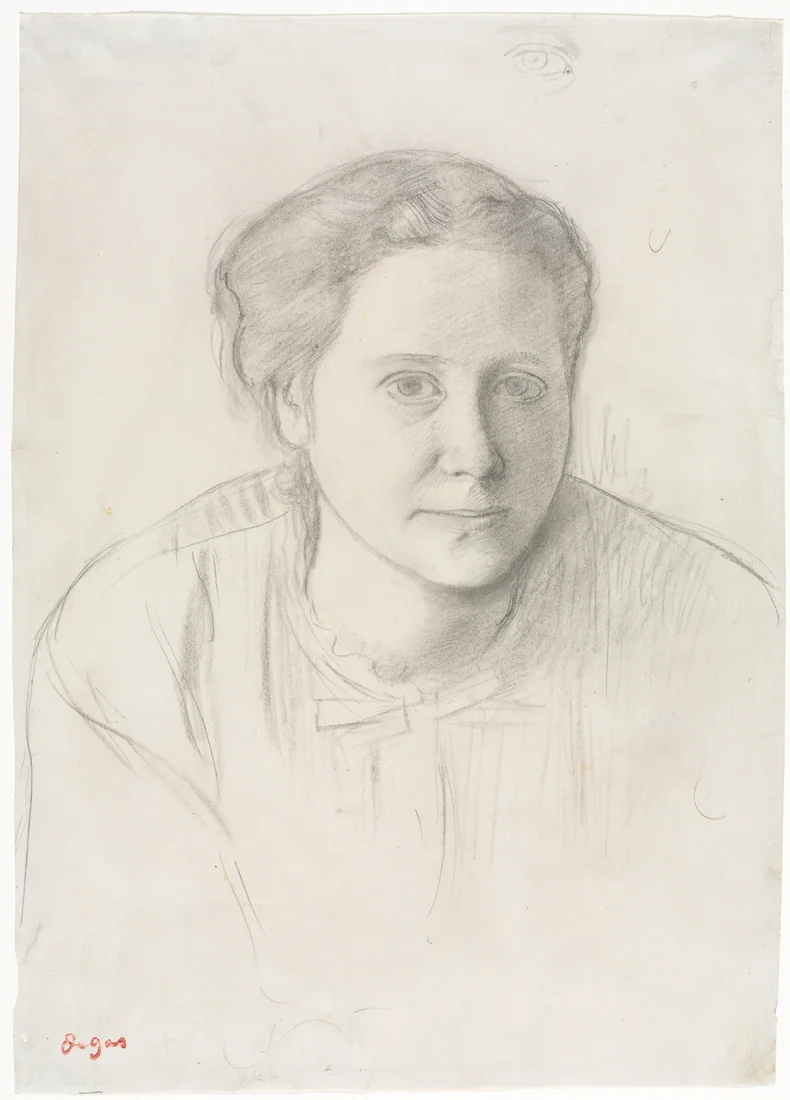 Edgar Degas
Victoria Dubourg, c. 1866
from 399 kr
-
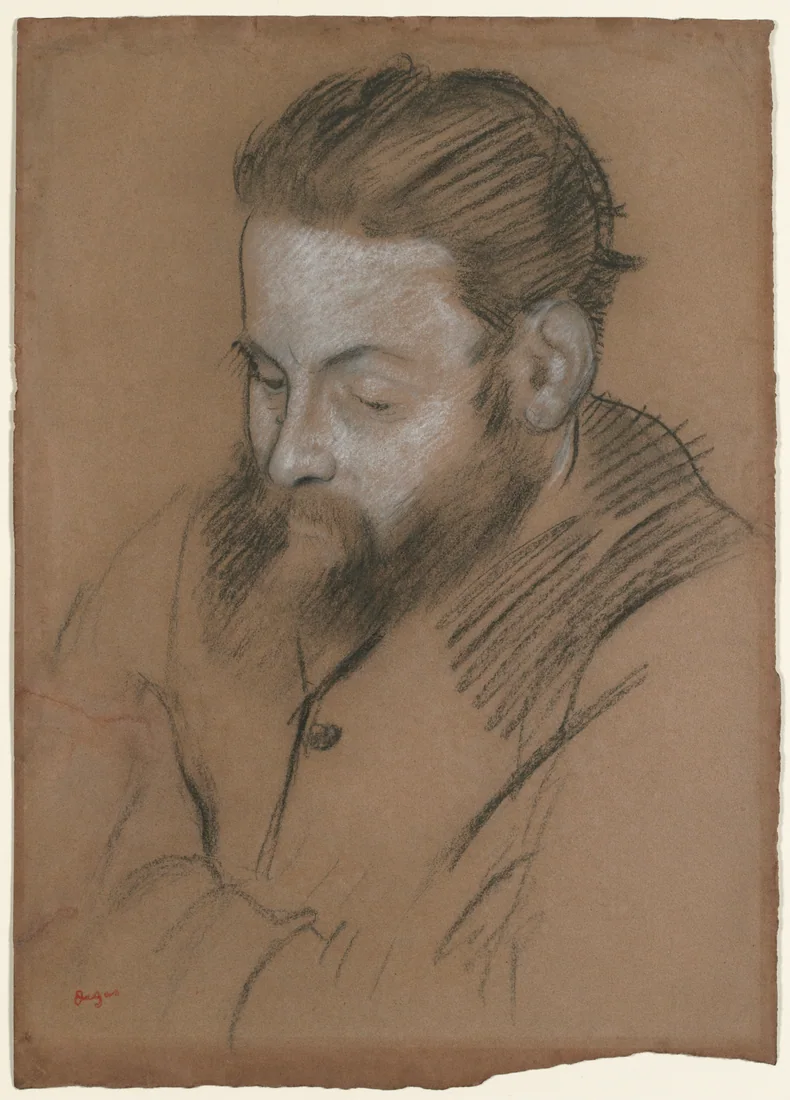 Edgar Degas
Diego Martelli, 1879
from 399 kr
-
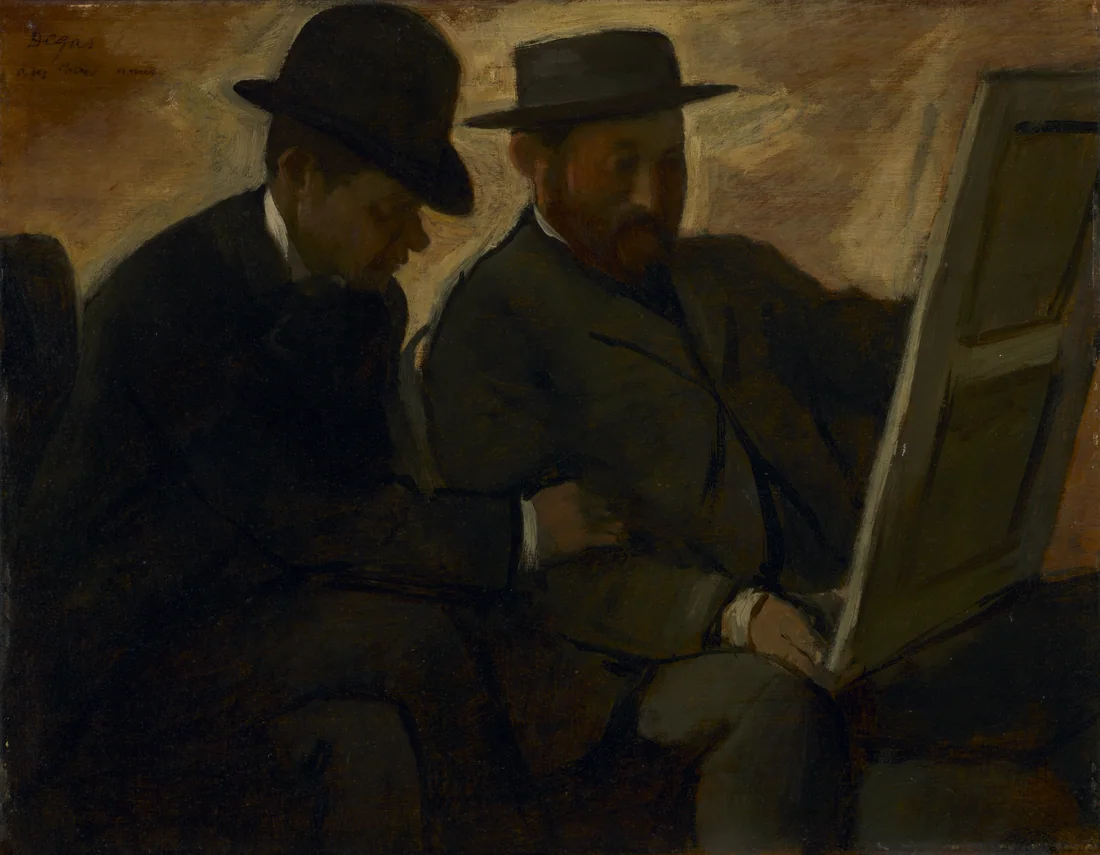 Edgar Degas
Paul Lafond and Alphonse Cherfils Examining a Painting, c. 1878–80
from 399 kr
-
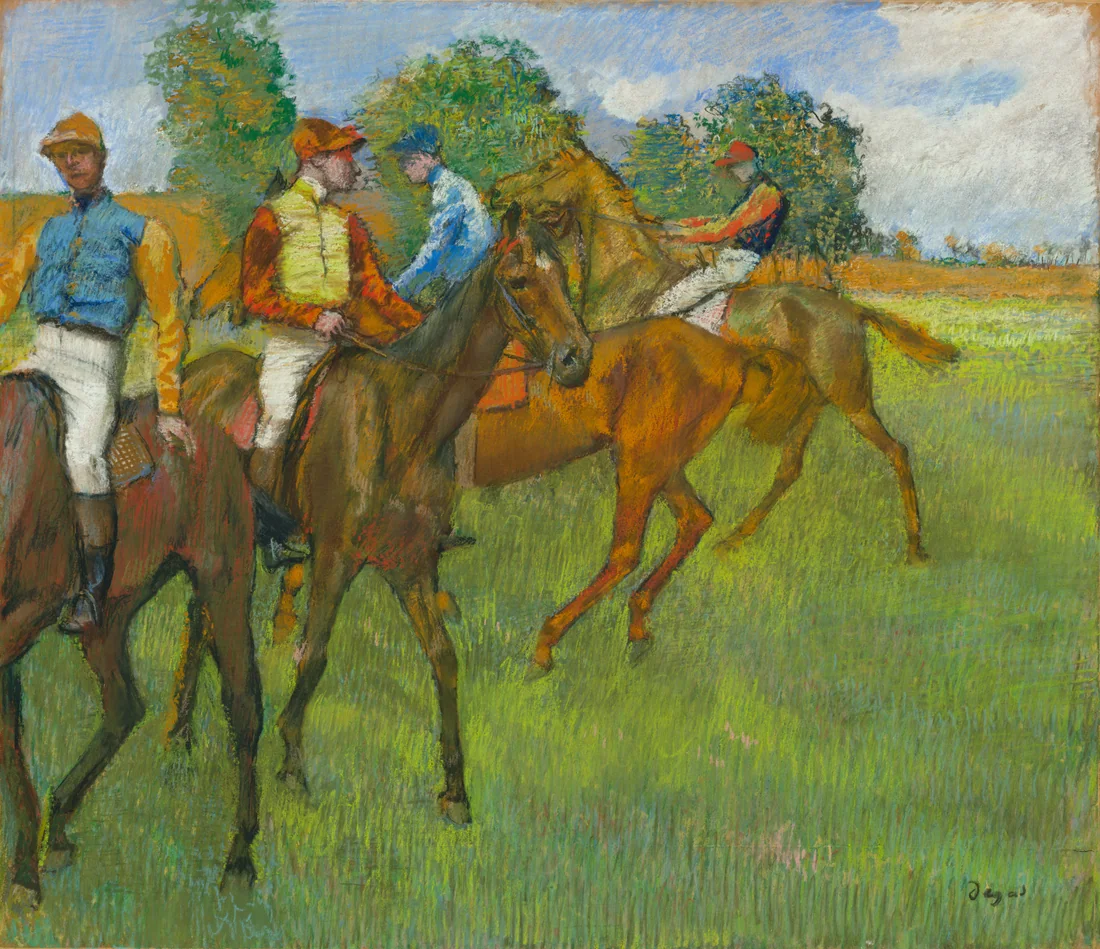 Edgar Degas
Before the Race, c. 1887–89
from 399 kr
-
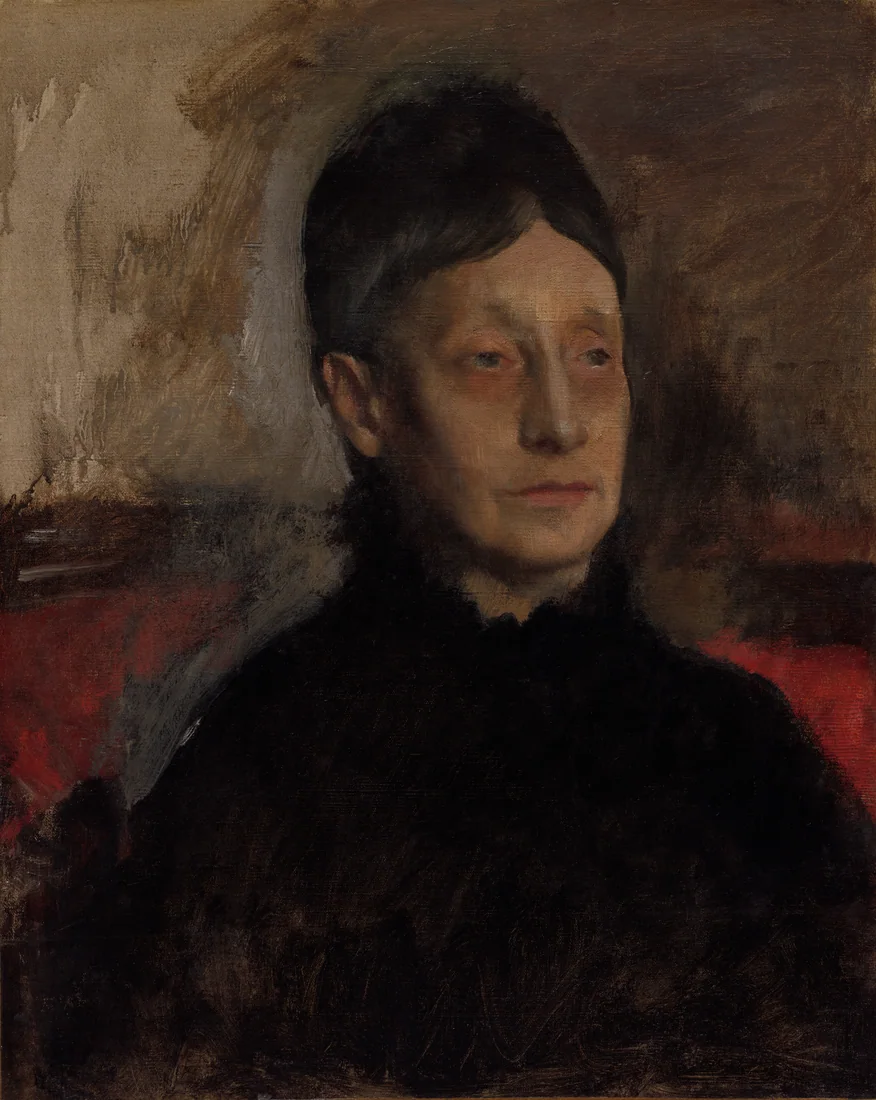 Edgar Degas
Stefanina Carafa, Marchioness of Cicerale, c. 1875
from 399 kr
-
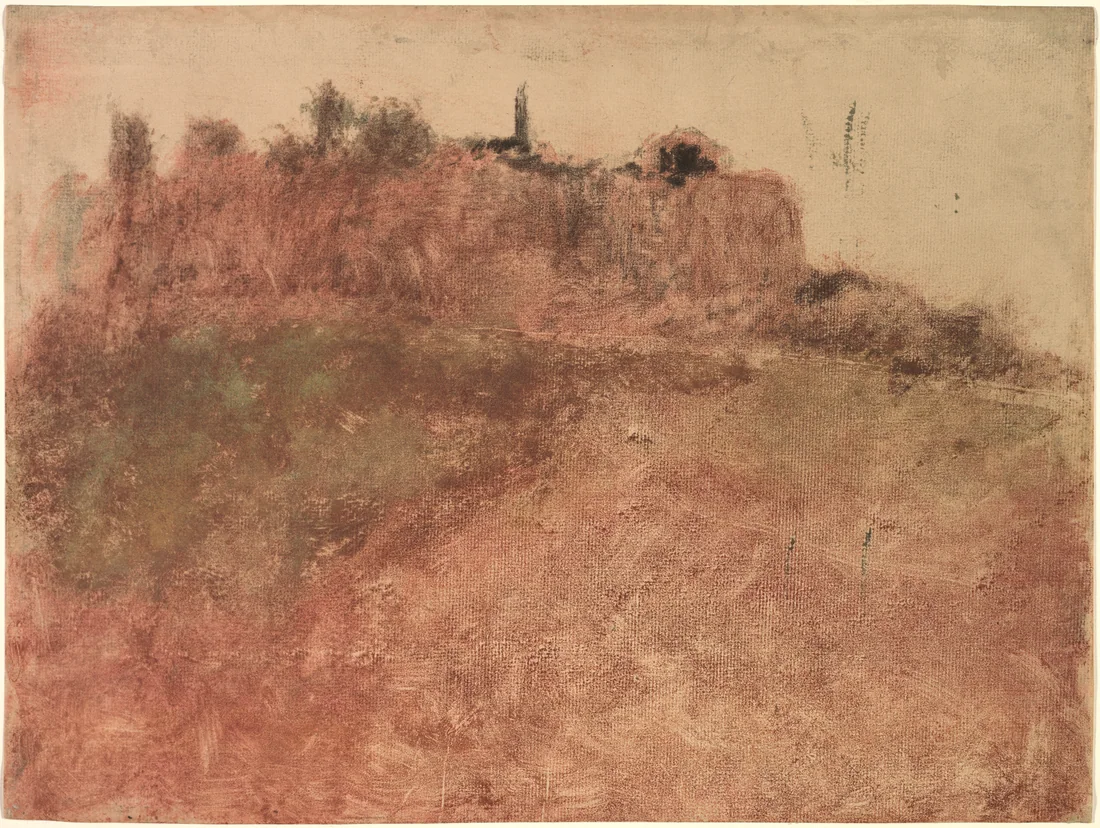 Edgar Degas
Estérel Village, c. 1890
from 399 kr
-
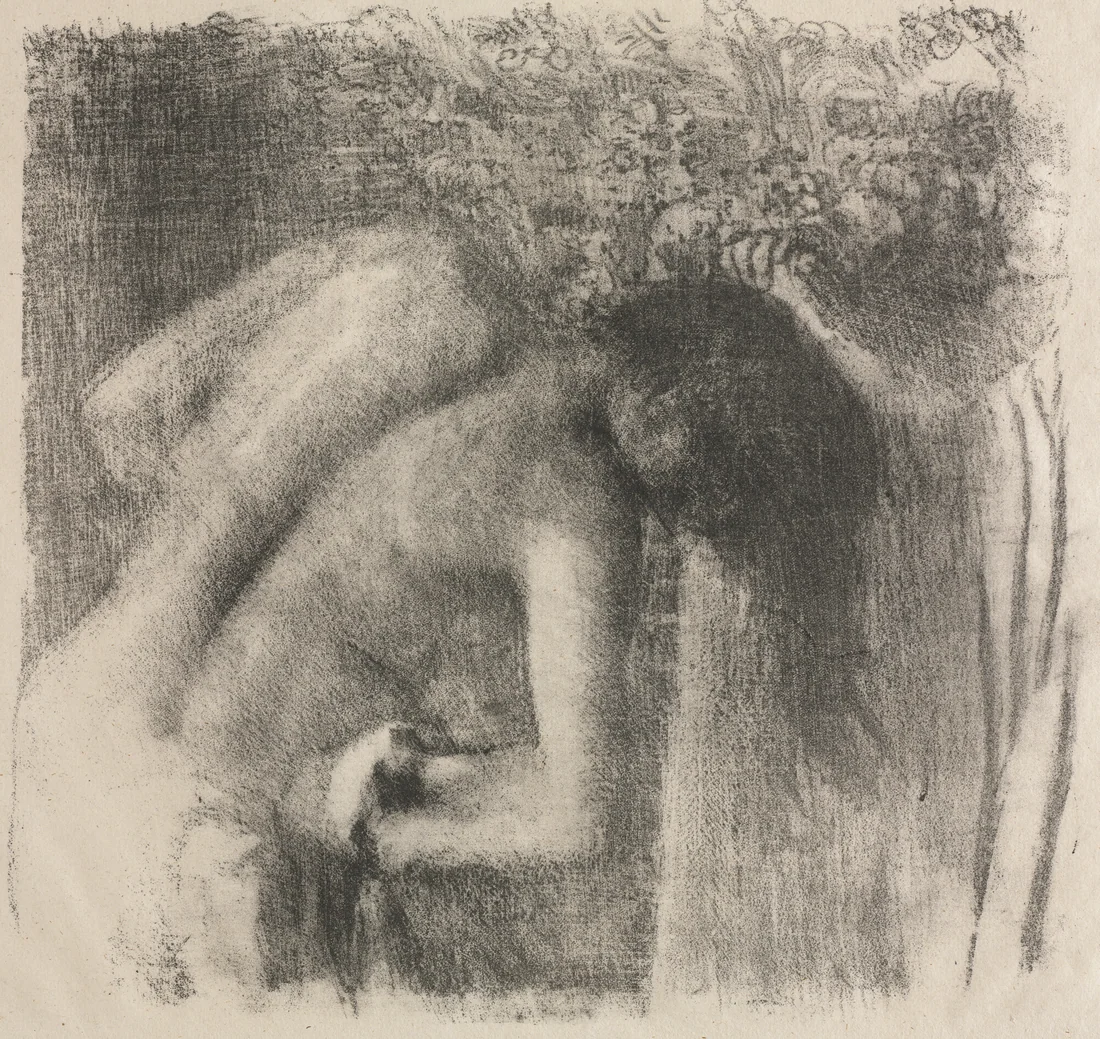 Edgar Degas
After the Bath (Large Version), 1891–92
from 399 kr
-
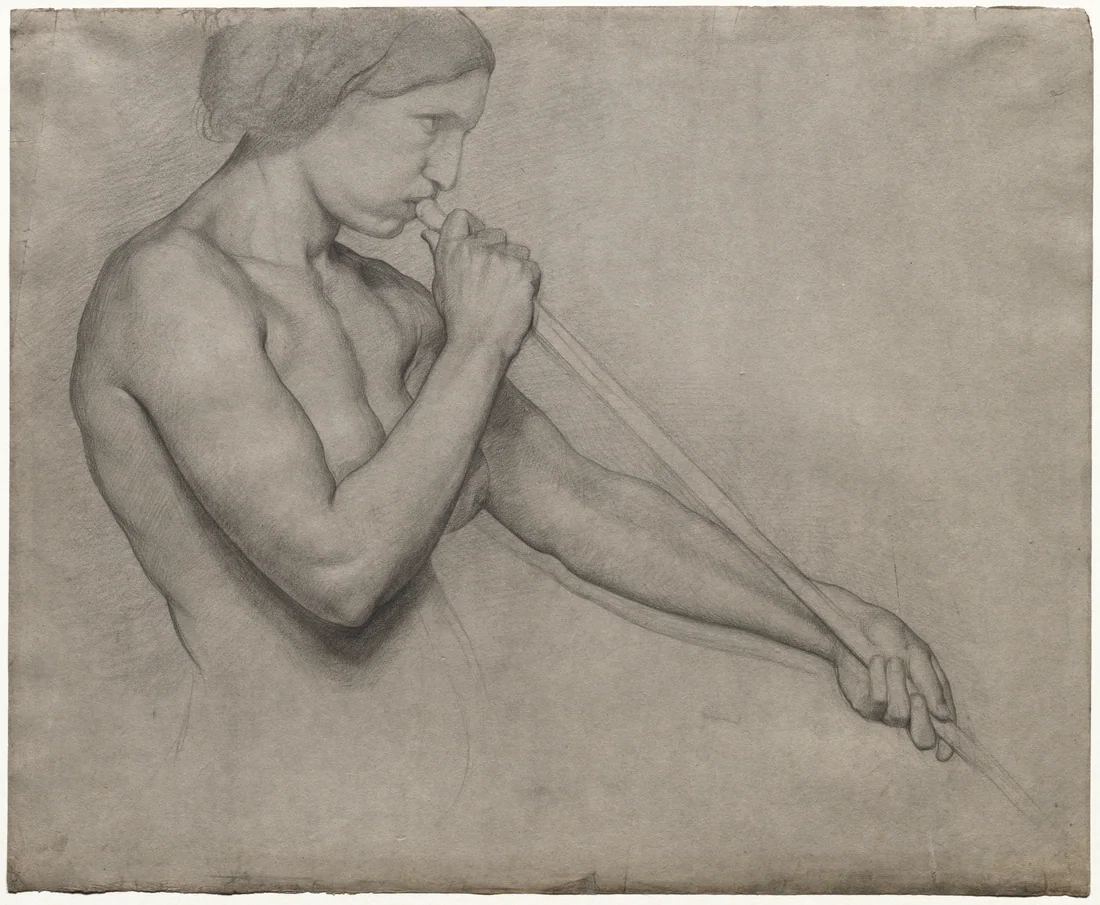 Edgar Degas
Angel Blowing a Trumpet, 1857–59
from 399 kr
-
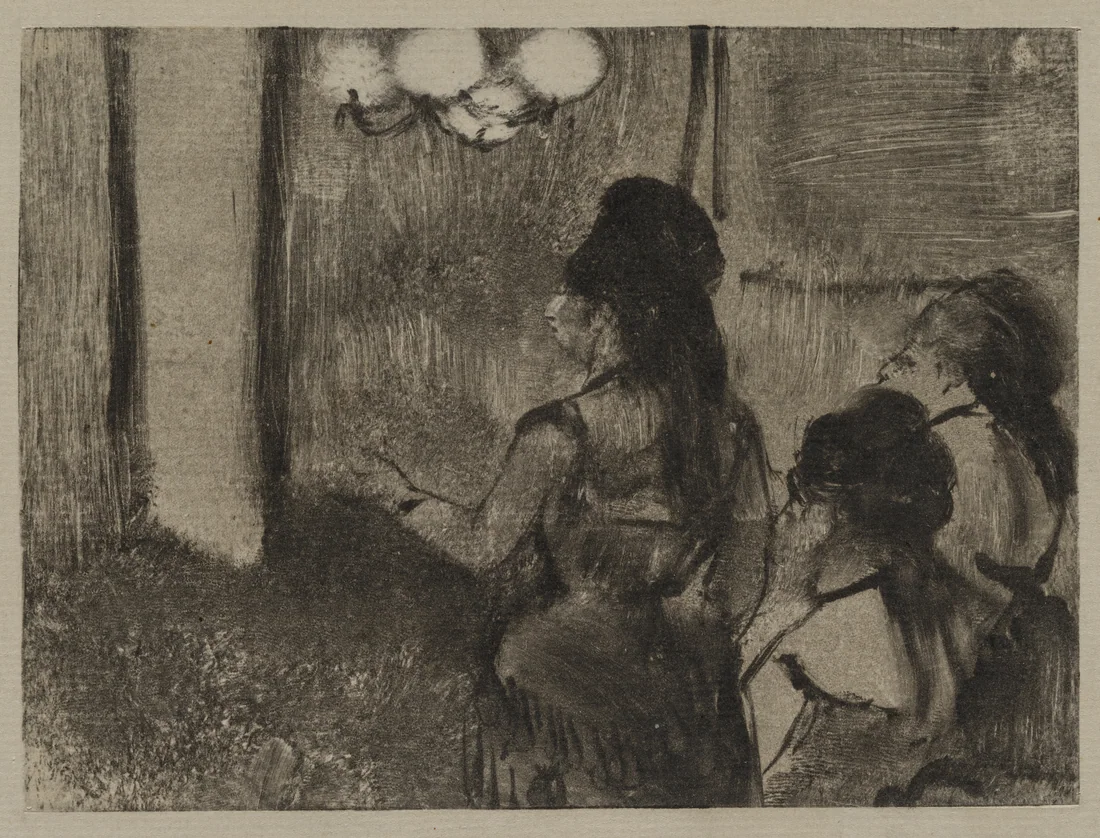 Edgar Degas
In the Salon, c. 1880s
from 399 kr
-
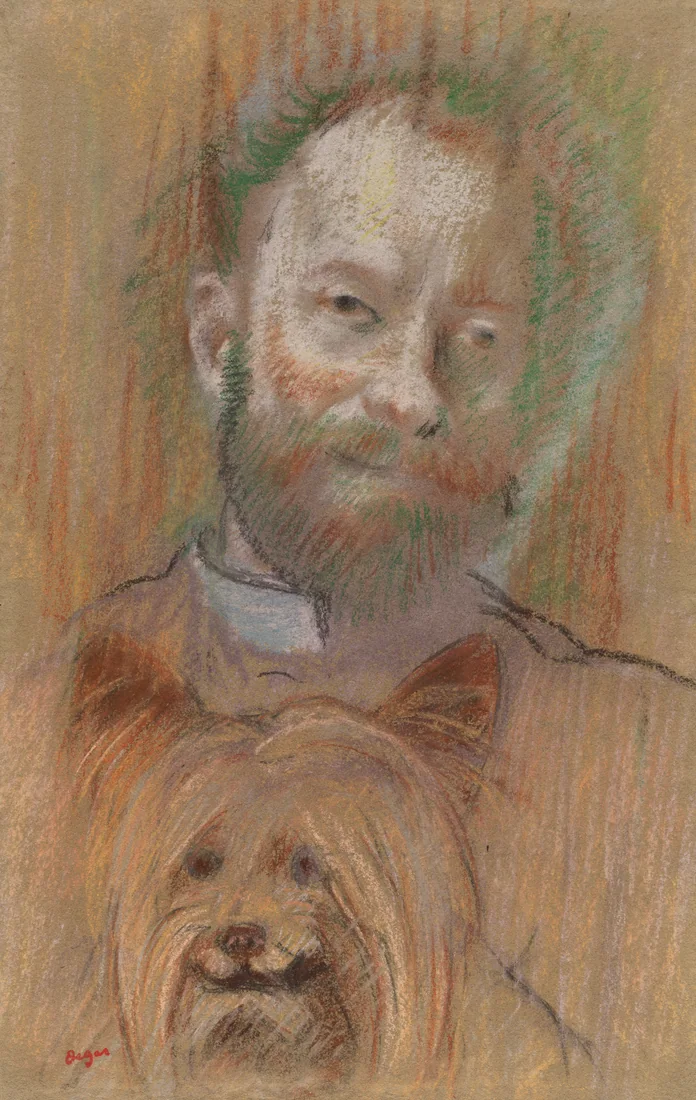 Edgar Degas
Ludovic Lepic Holding His Dog, 1889
from 399 kr
-
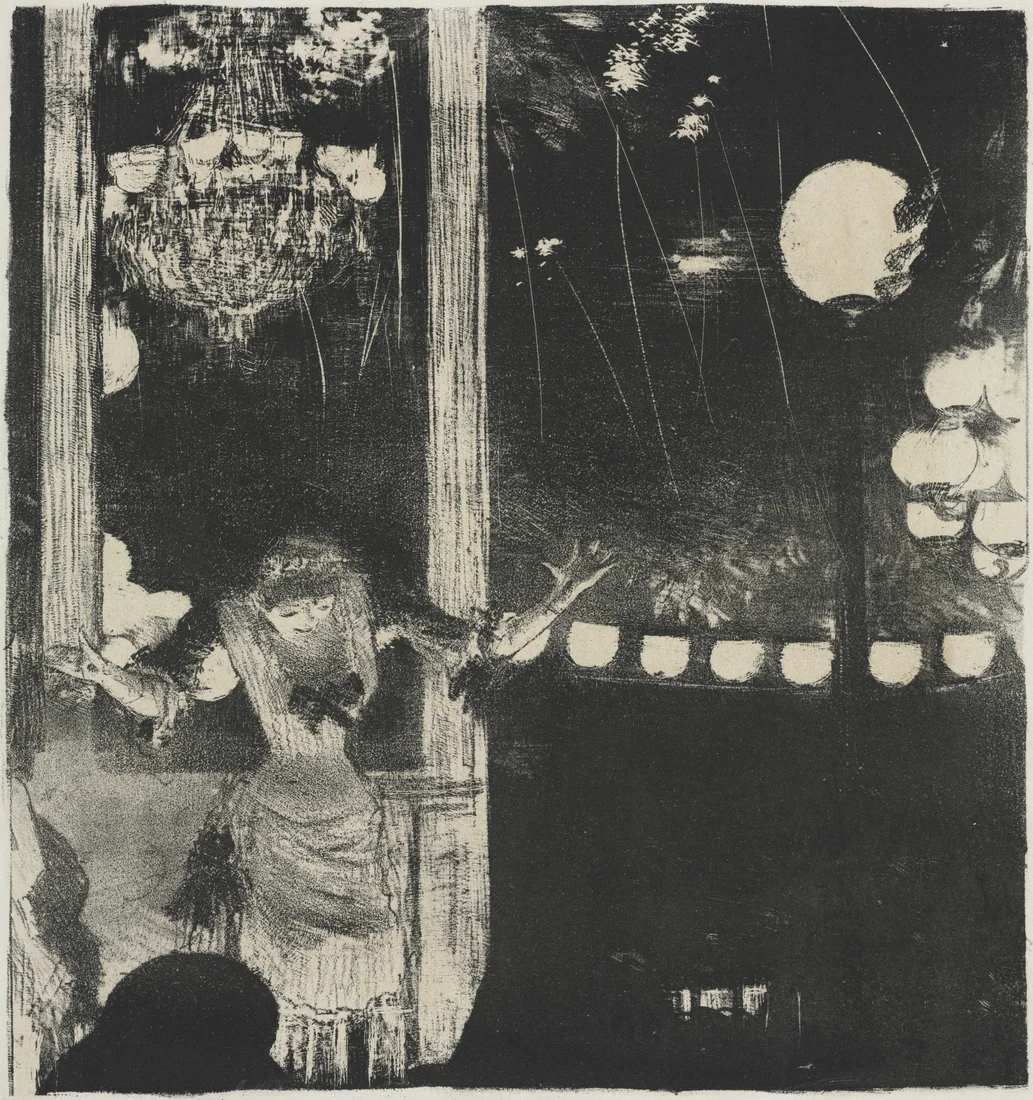 Edgar Degas
Mlle Bécat at the Café des Ambassadeurs, 1877–78
from 399 kr
-
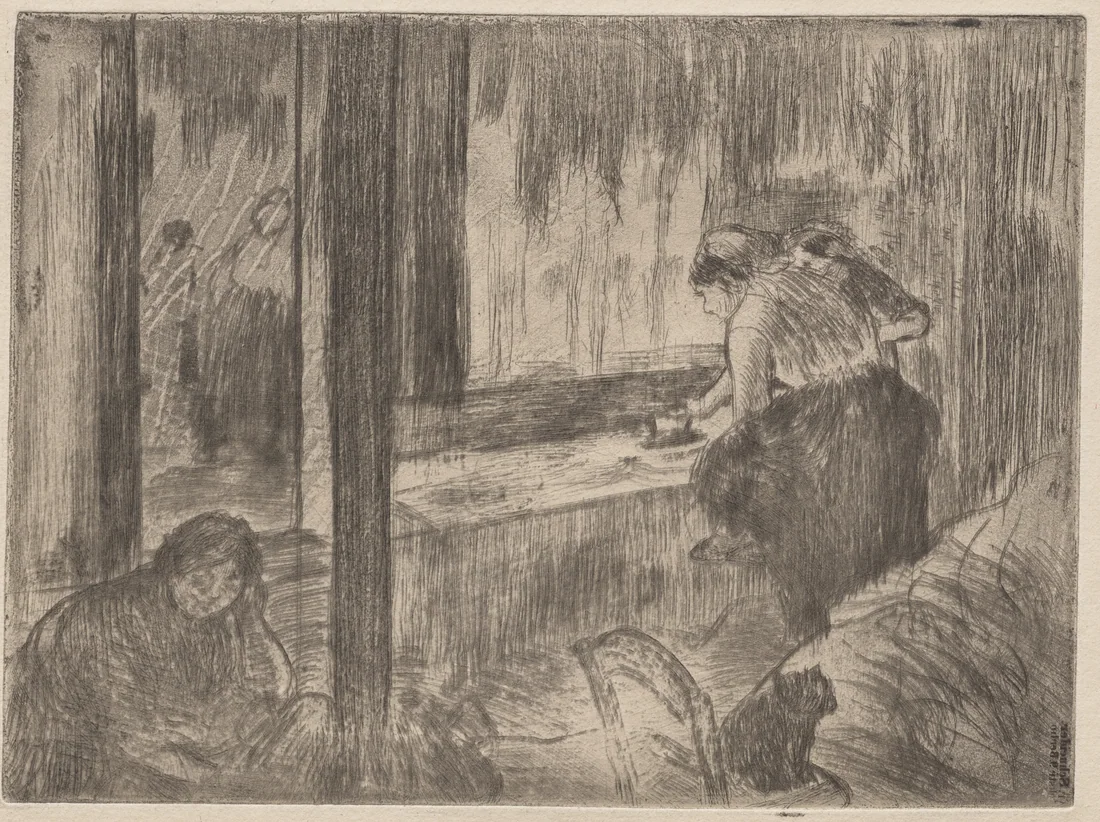 Edgar Degas
The Laundresses, 1879–80
from 399 kr
-
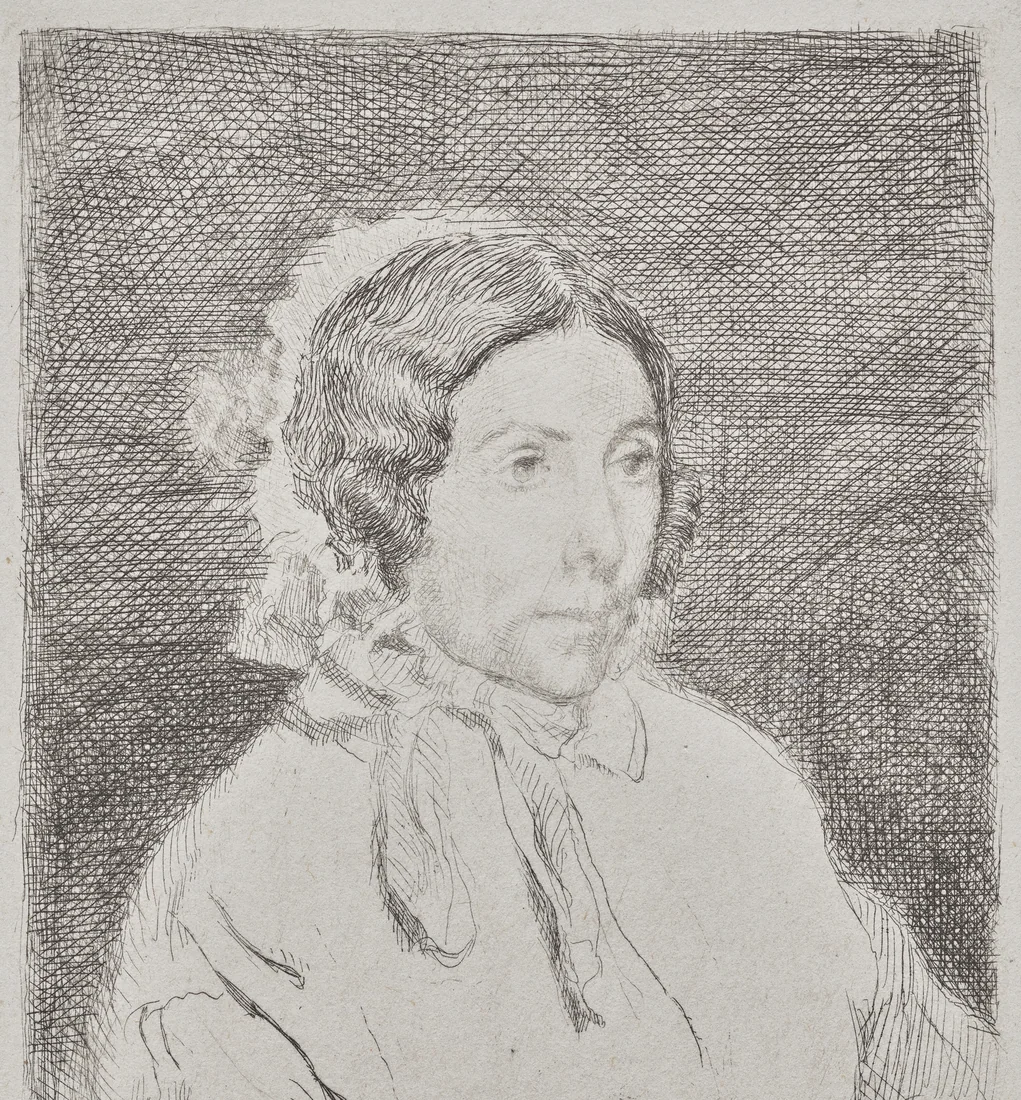 Edgar Degas
Woman in a Ruffled Cap, 1859–60
from 399 kr
-
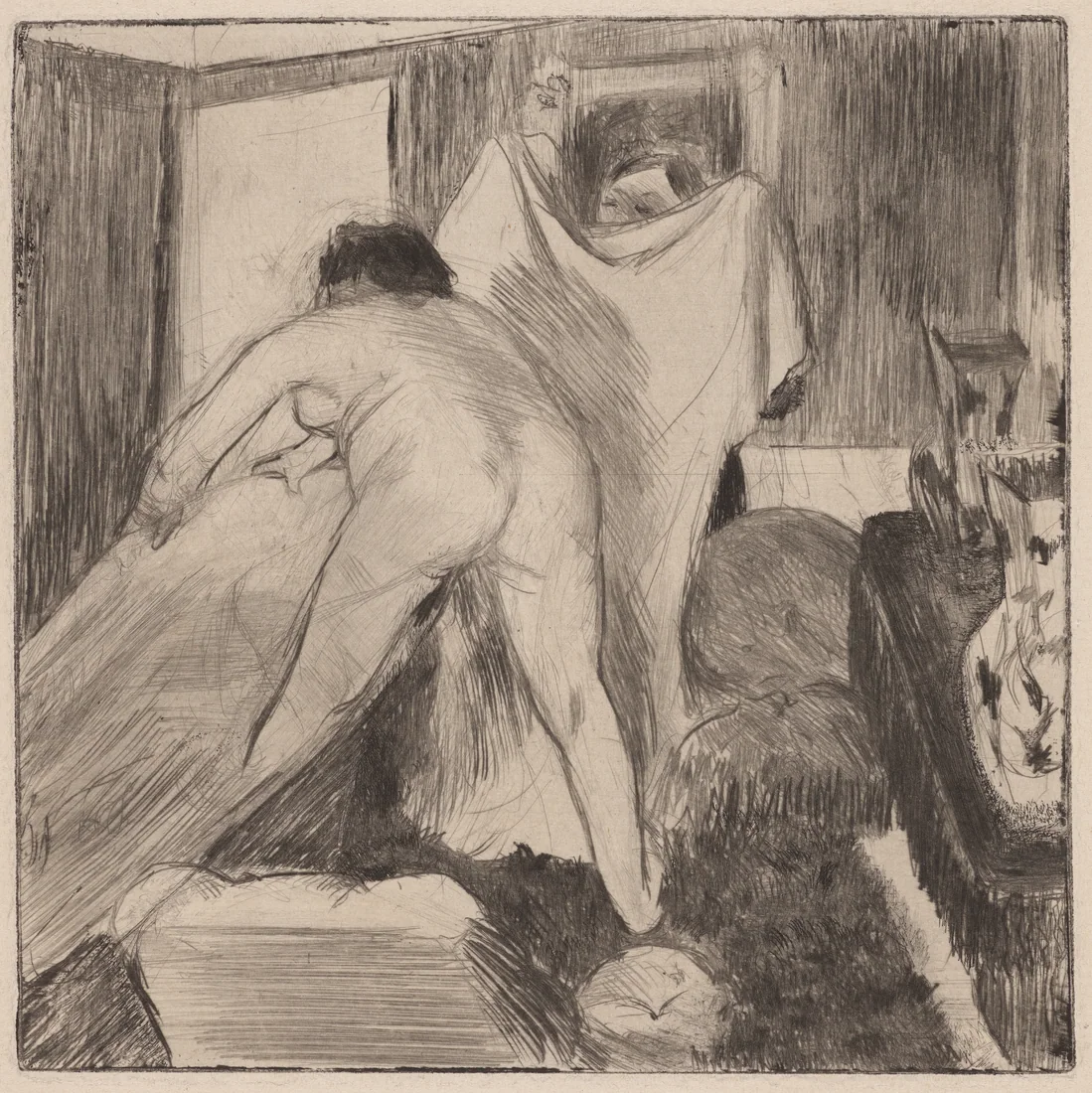 Edgar Degas
Leaving the Bath, 1879–80
from 399 kr
-
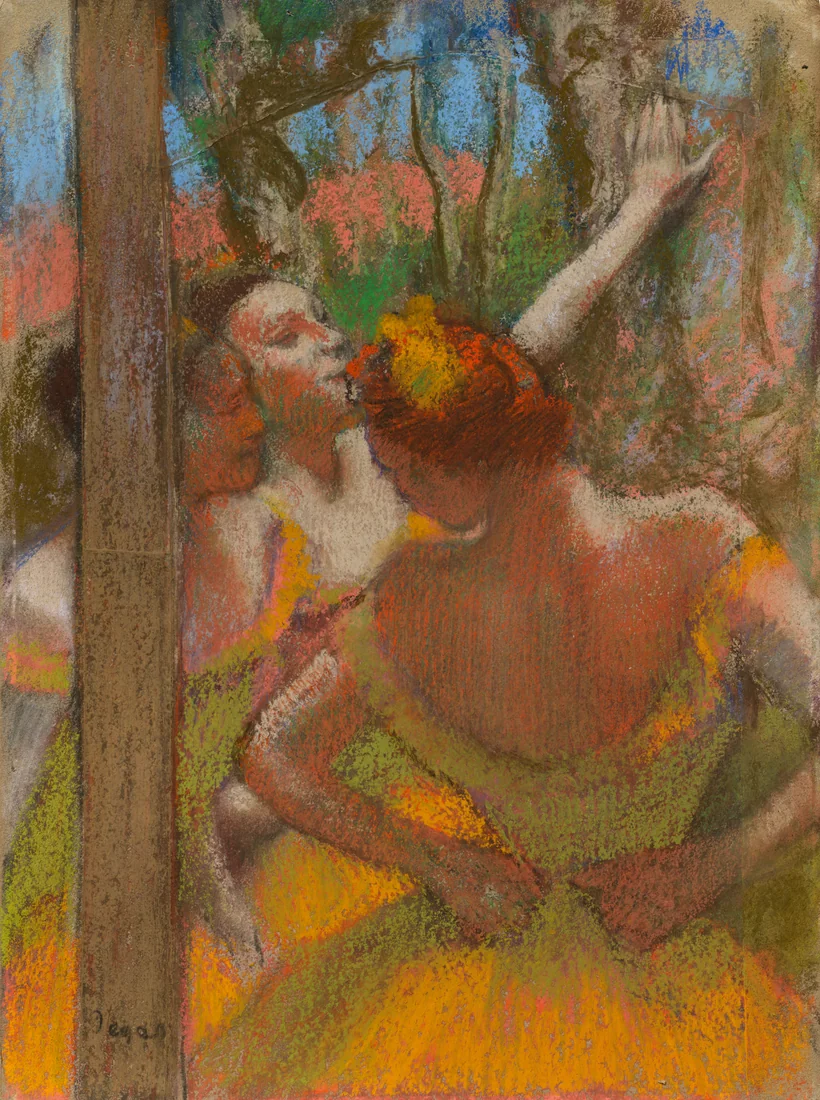 Edgar Degas
Dancers, c. 1896
from 399 kr
-
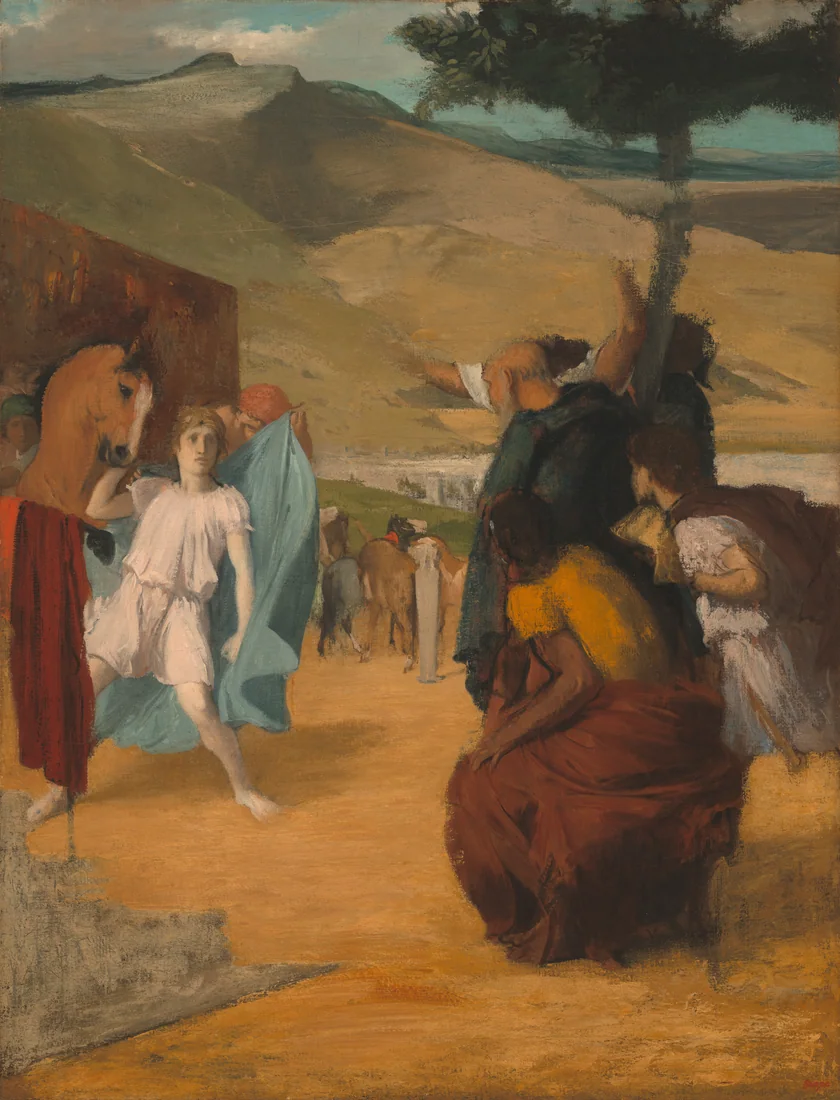 Edgar Degas
Alexander and Bucephalus, 1861–62
from 399 kr
-
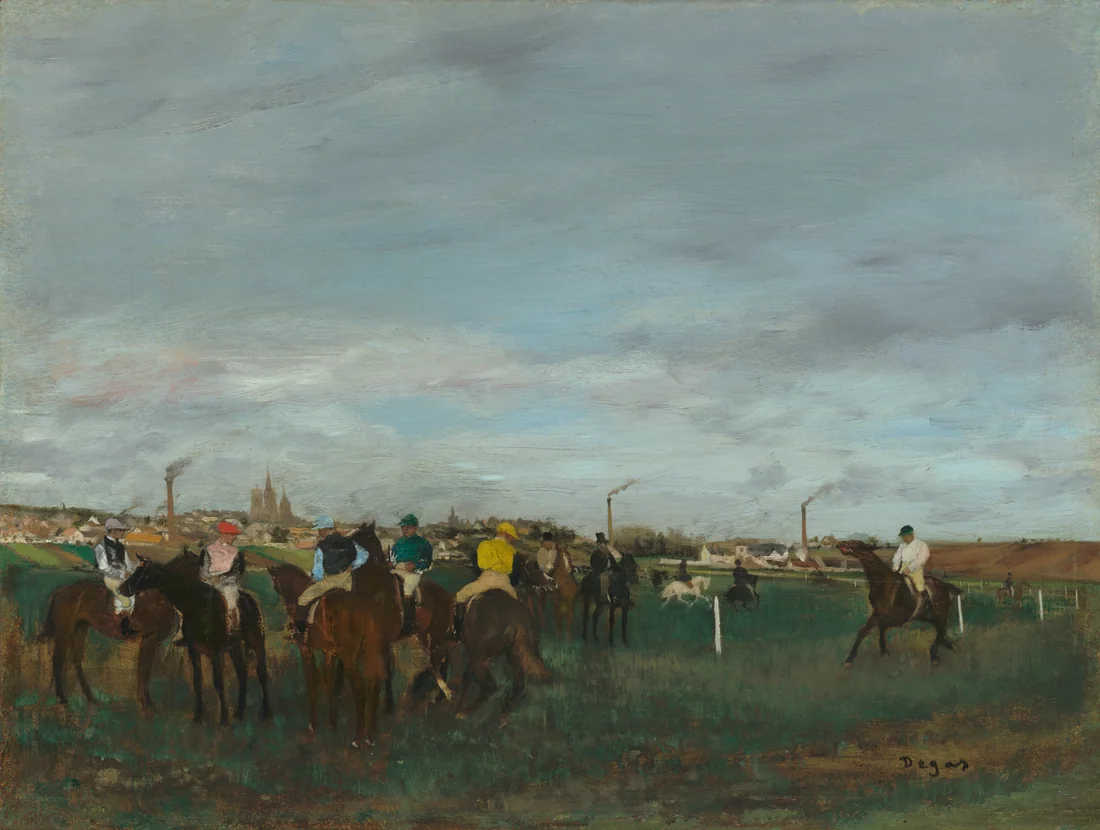 Edgar Degas
The Races, 1871–72
from 399 kr
-
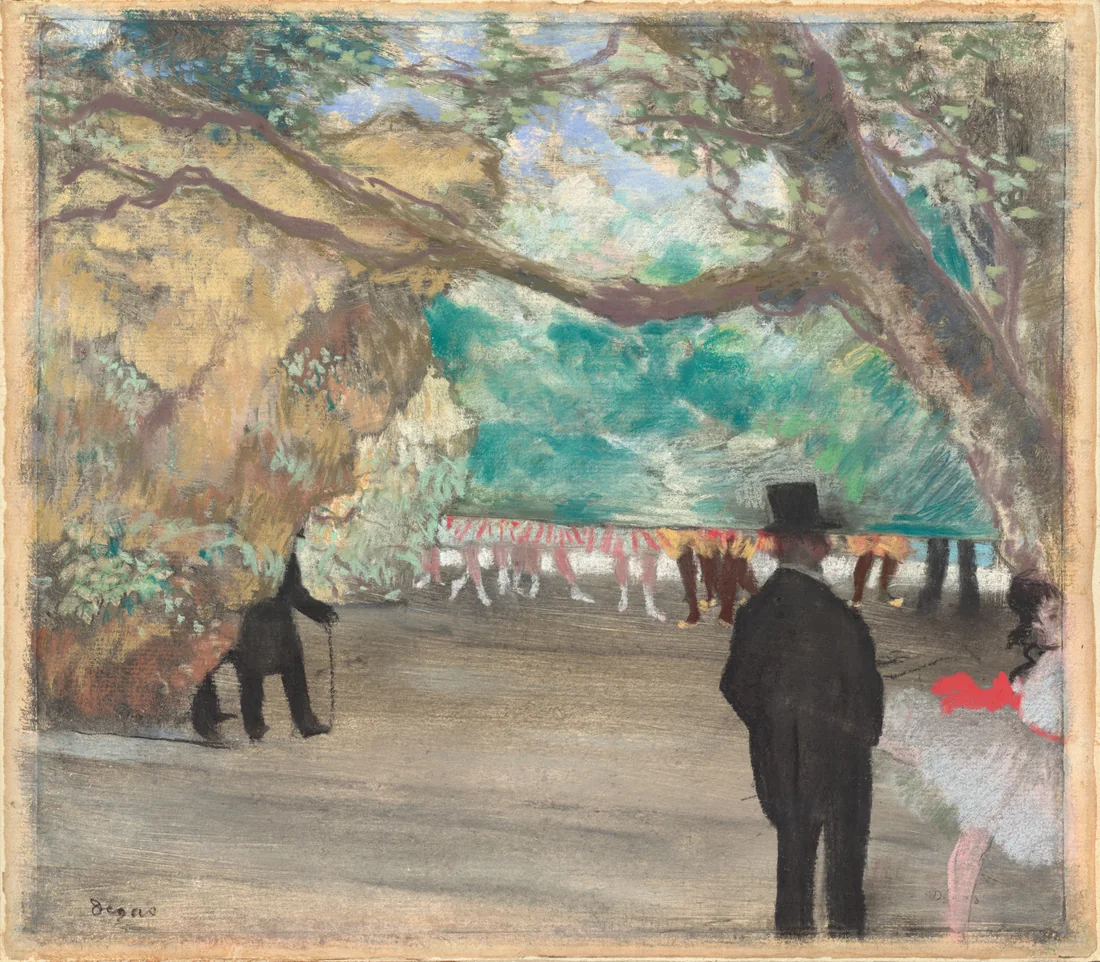 Edgar Degas
The Curtain, c. 1880
from 399 kr
-
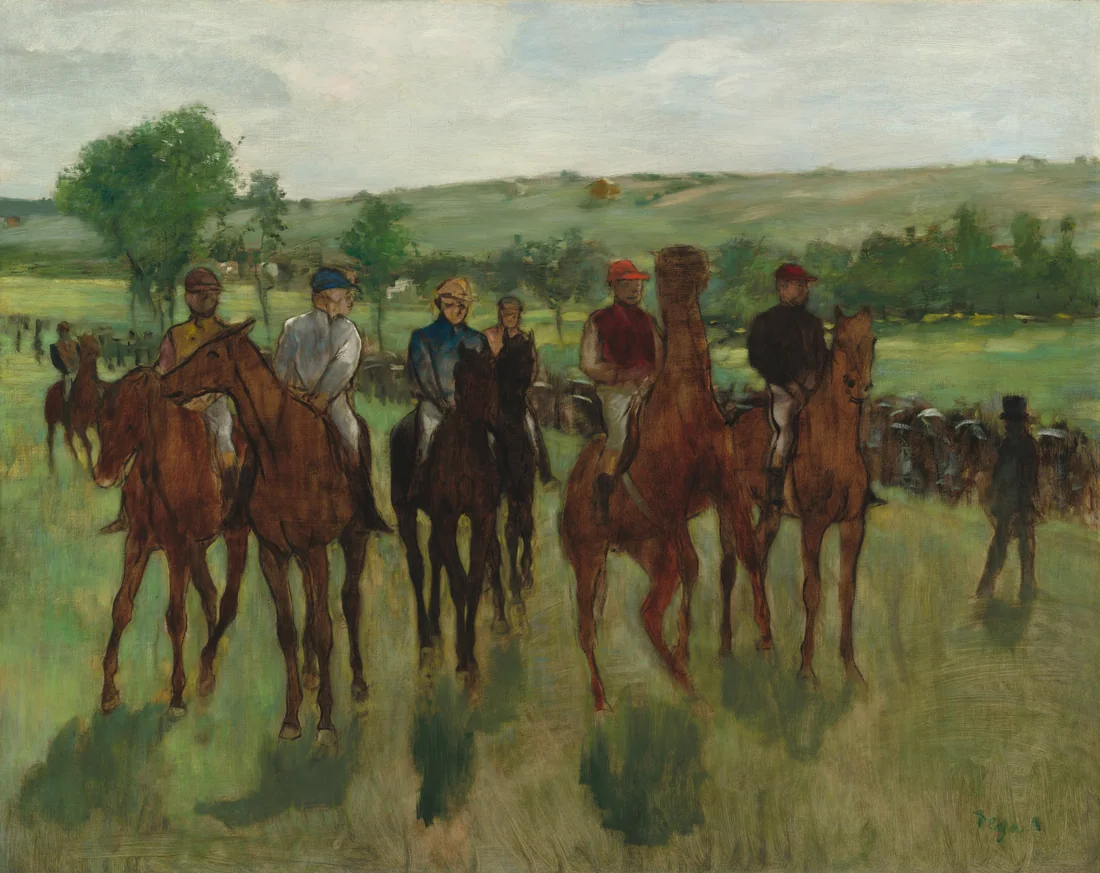 Edgar Degas
The Riders, c. 1885
from 399 kr
-
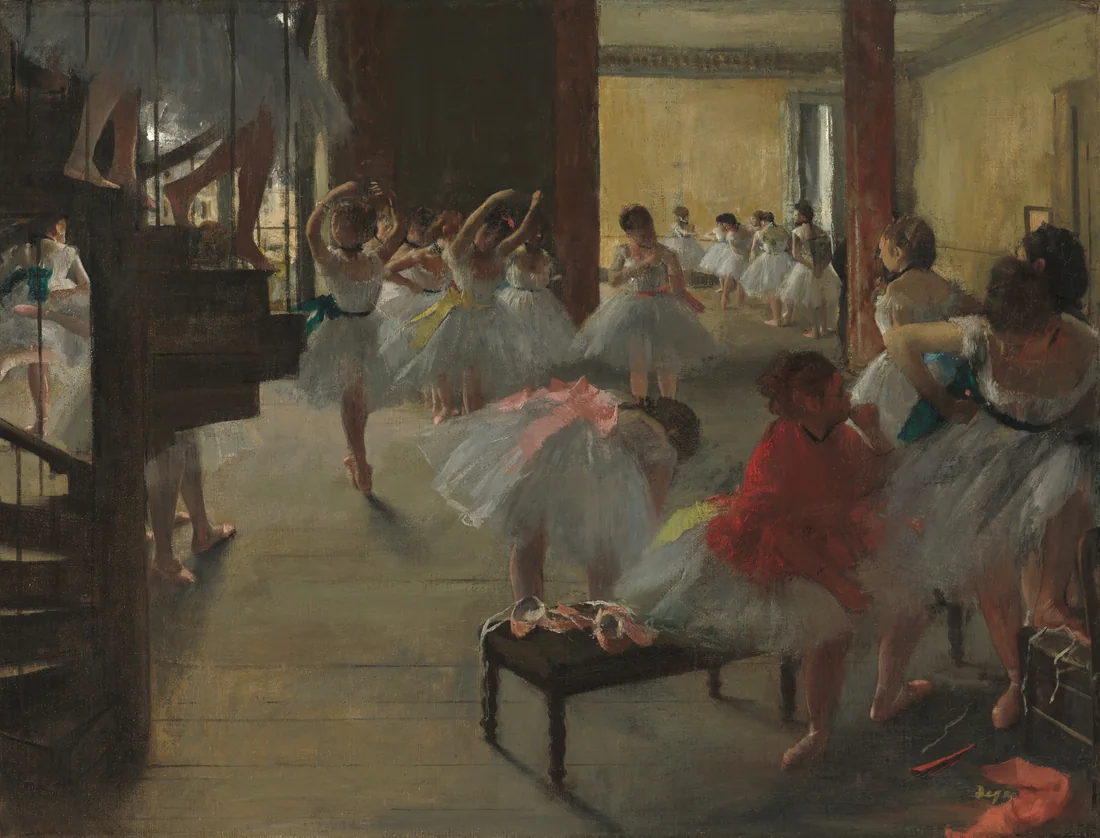 Edgar Degas
The Dance Class, c. 1873
from 399 kr
-
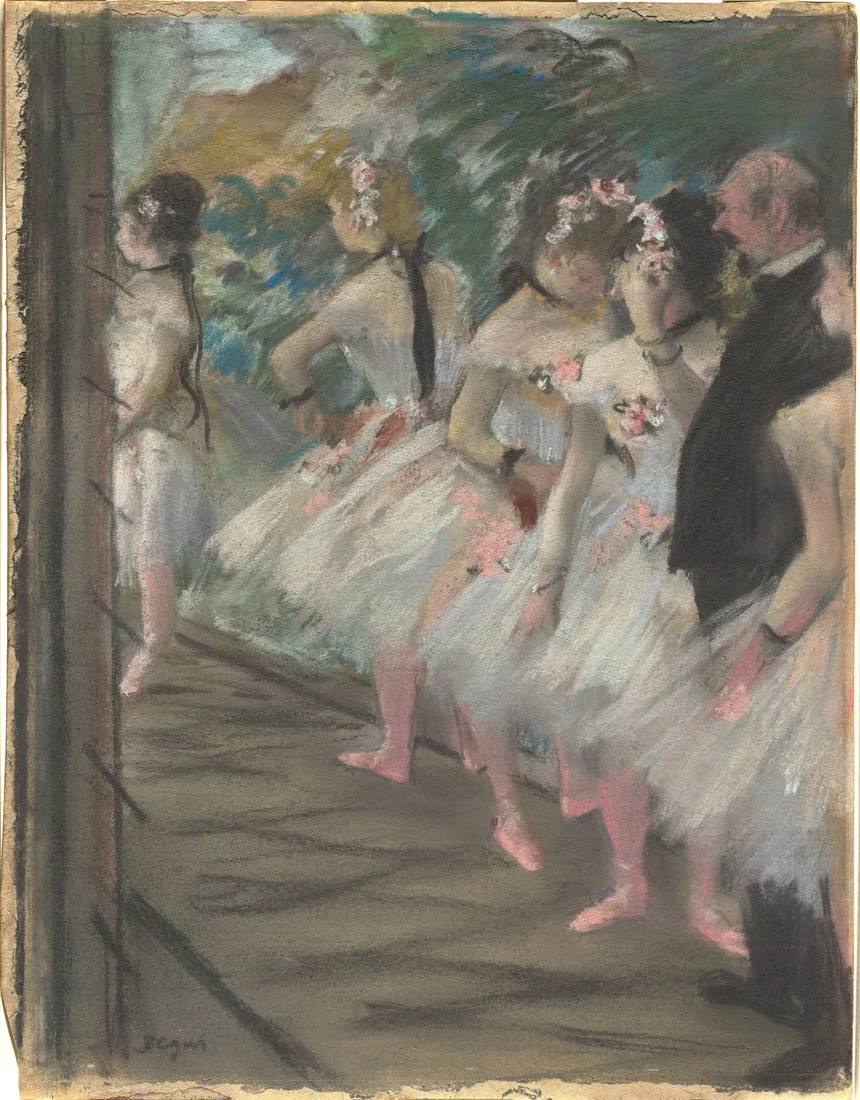 Edgar Degas
The Ballet, c. 1880
from 399 kr
-
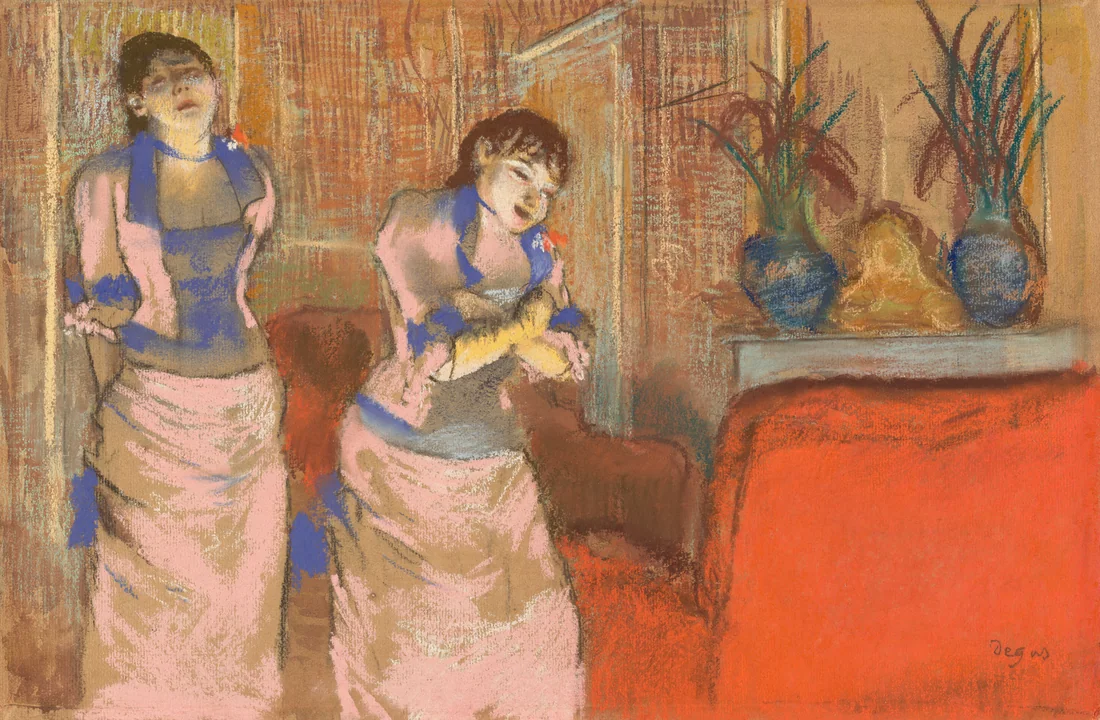 Edgar Degas
Two Women, c. 1878–80
from 399 kr
-
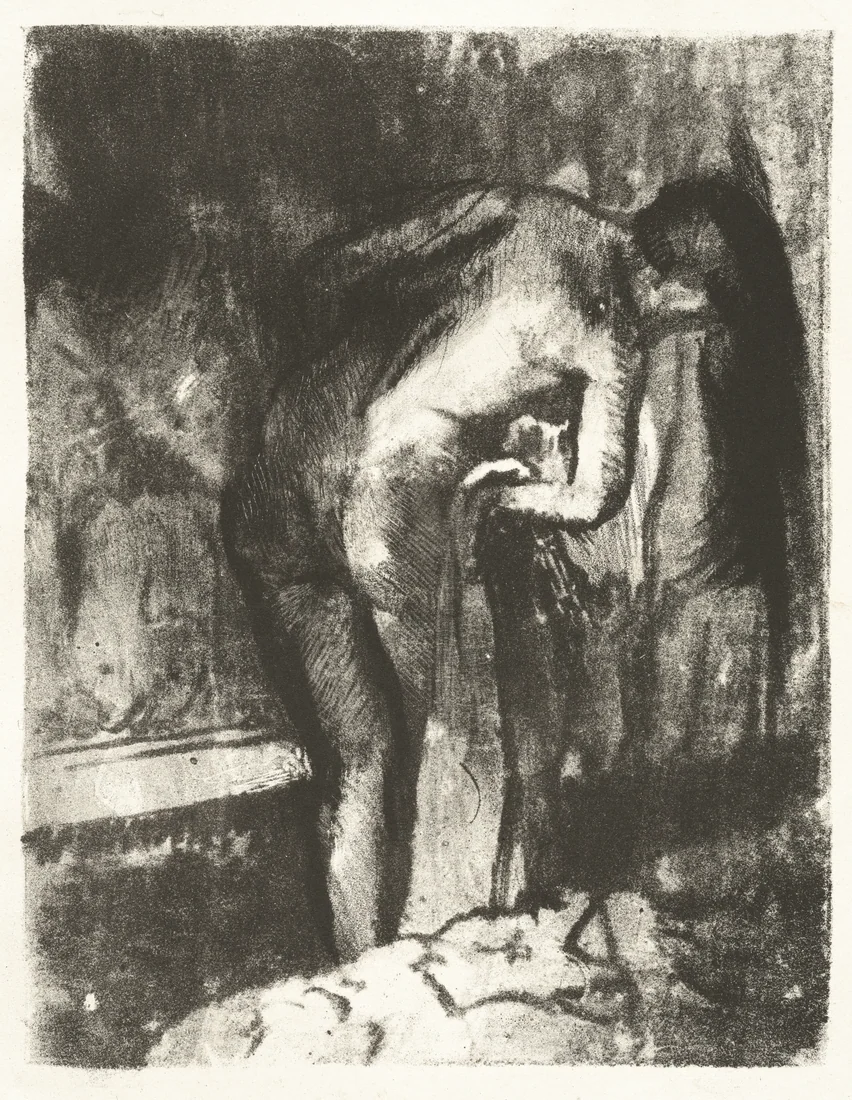 Edgar Degas
After the Bath II, 1891–92
from 399 kr
-
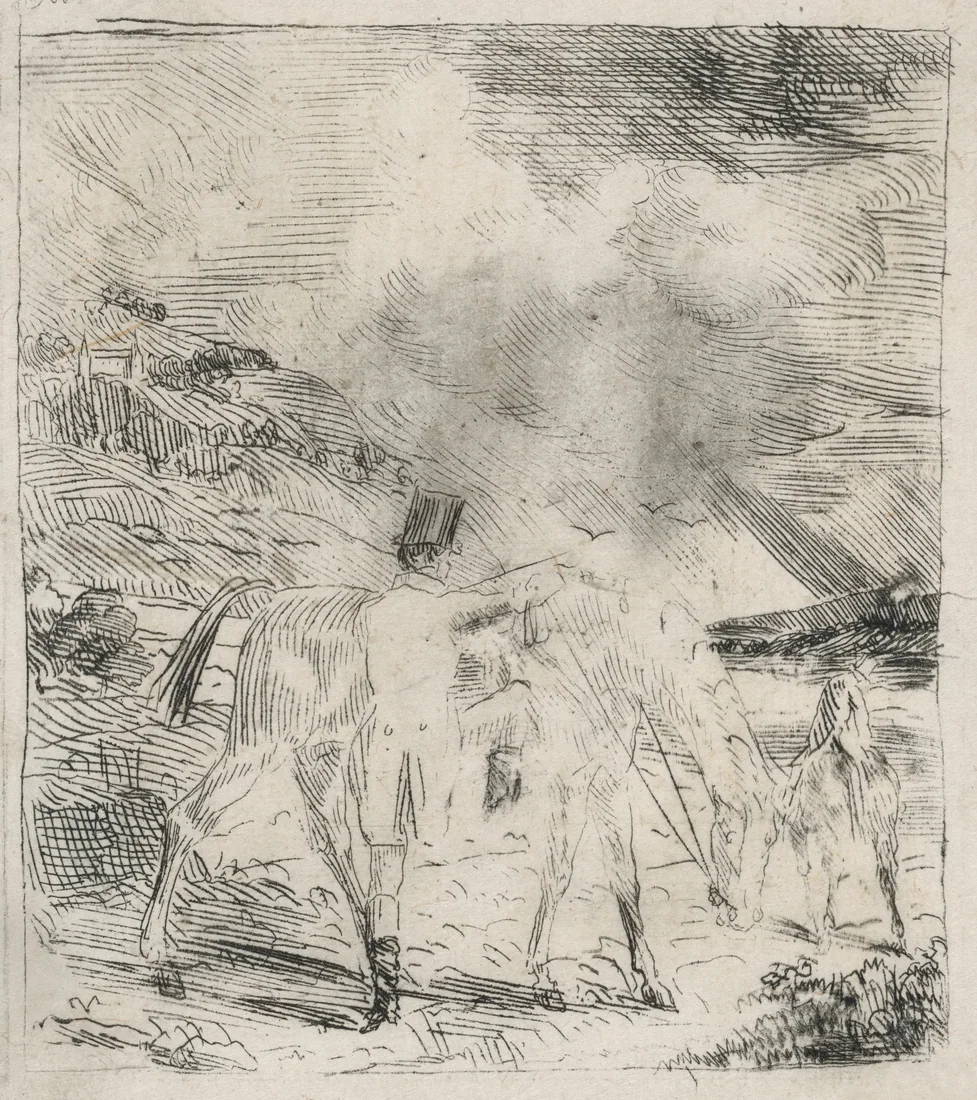 Edgar Degas
Two Sportsmen Mounting Their Horses, 1856
from 399 kr
-
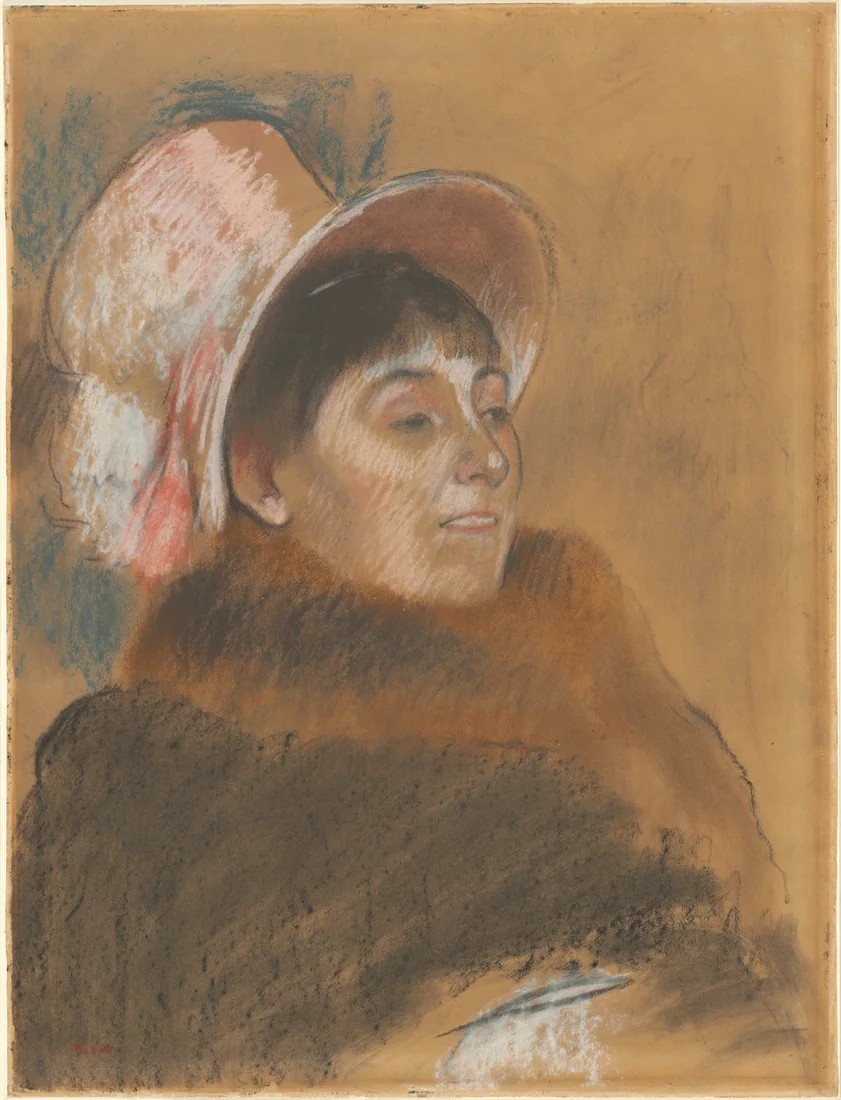 Edgar Degas
Madame Dietz-Monnin, 1879
from 399 kr
-
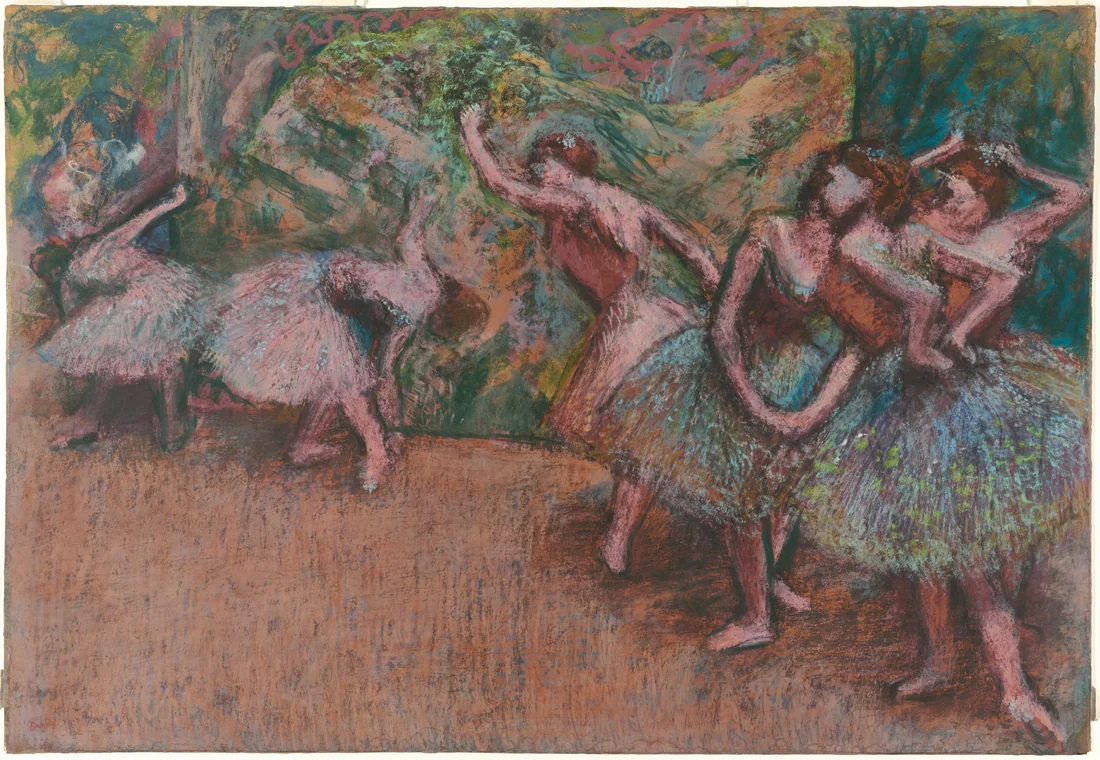 Edgar Degas
Ballet Scene, c. 1907
from 399 kr
-
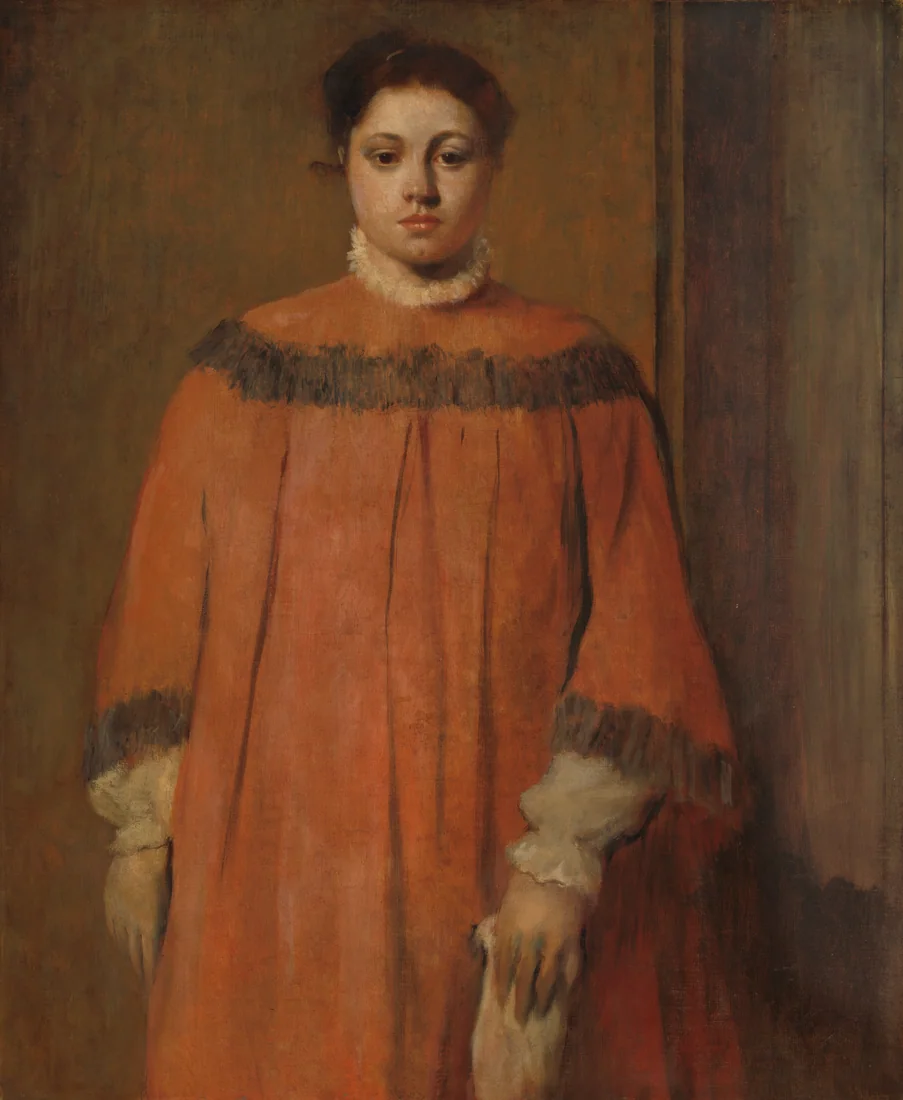 Edgar Degas
Girl in Red, c. 1866
from 399 kr
-
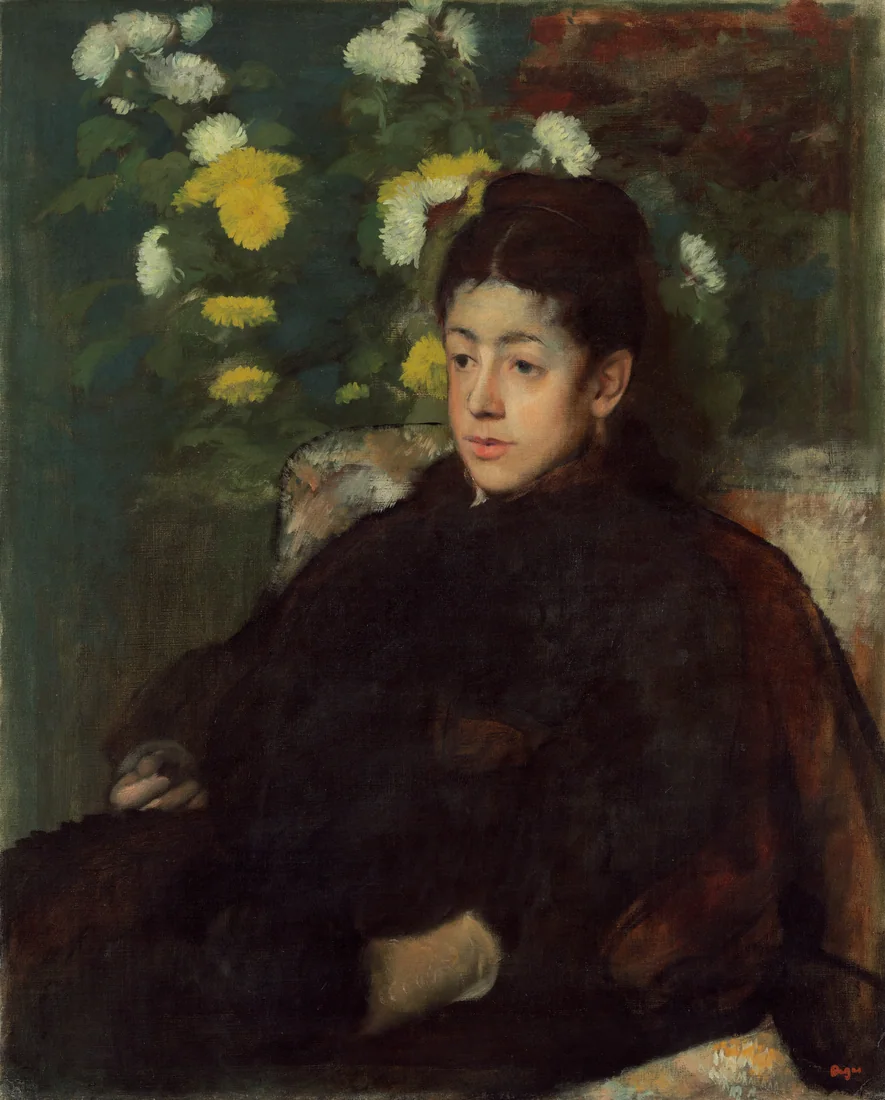 Edgar Degas
Mademoiselle Malot, c. 1877
from 399 kr
-
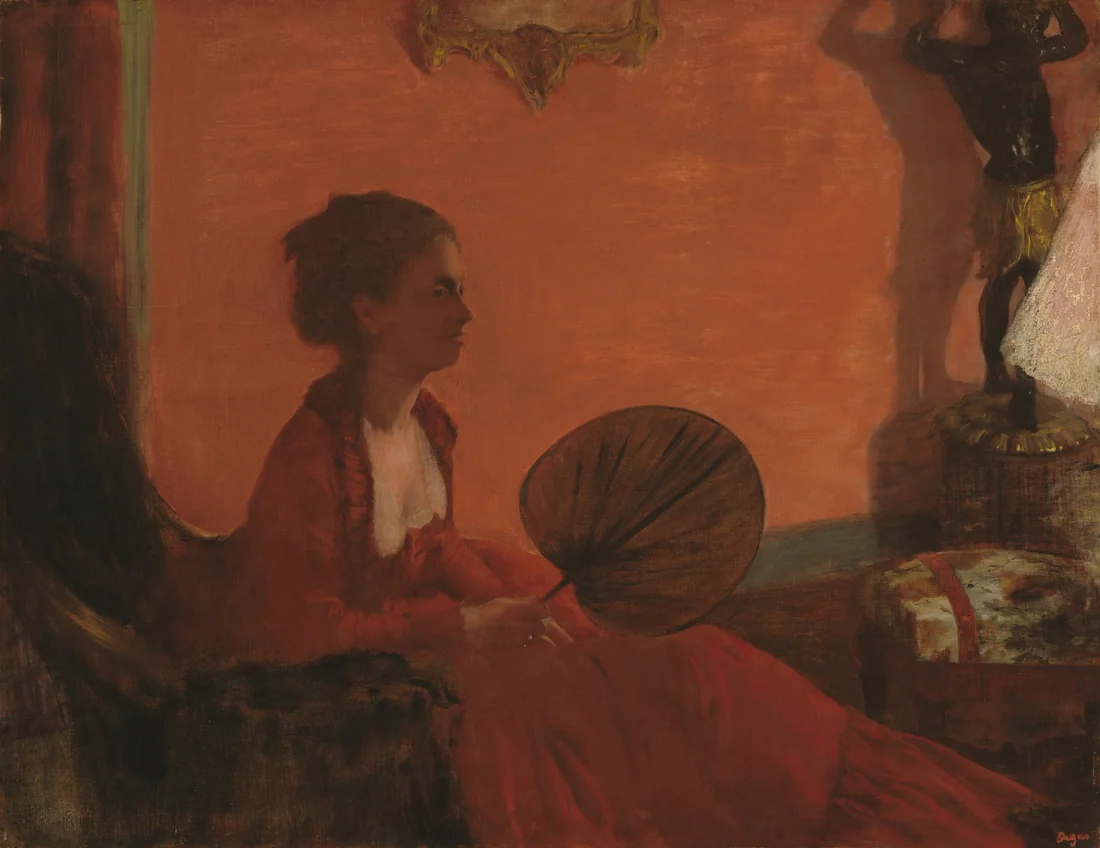 Edgar Degas
Madame Camus, 1869–70
from 399 kr
-
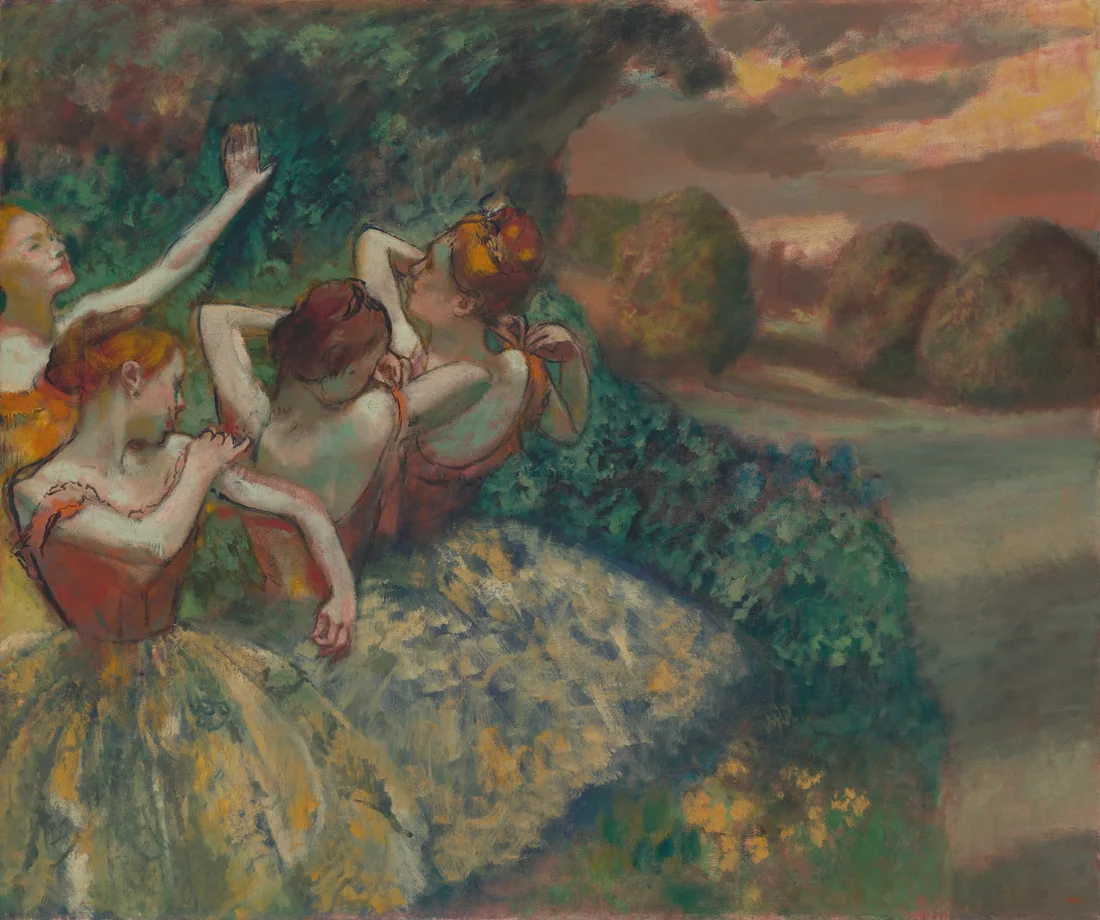 Edgar Degas
Four Dancers, c. 1899
from 399 kr
-
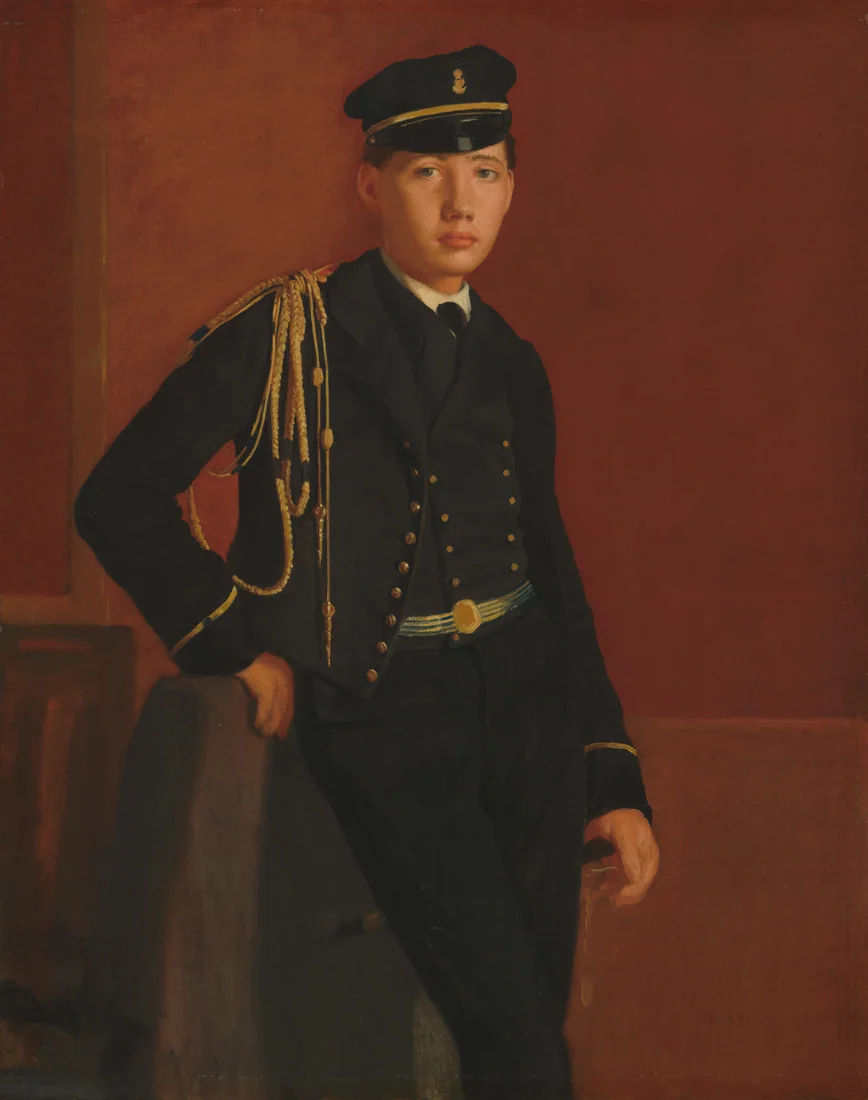 Edgar Degas
Achille De Gas in the Uniform of a Cadet, 1856–57
from 399 kr
-
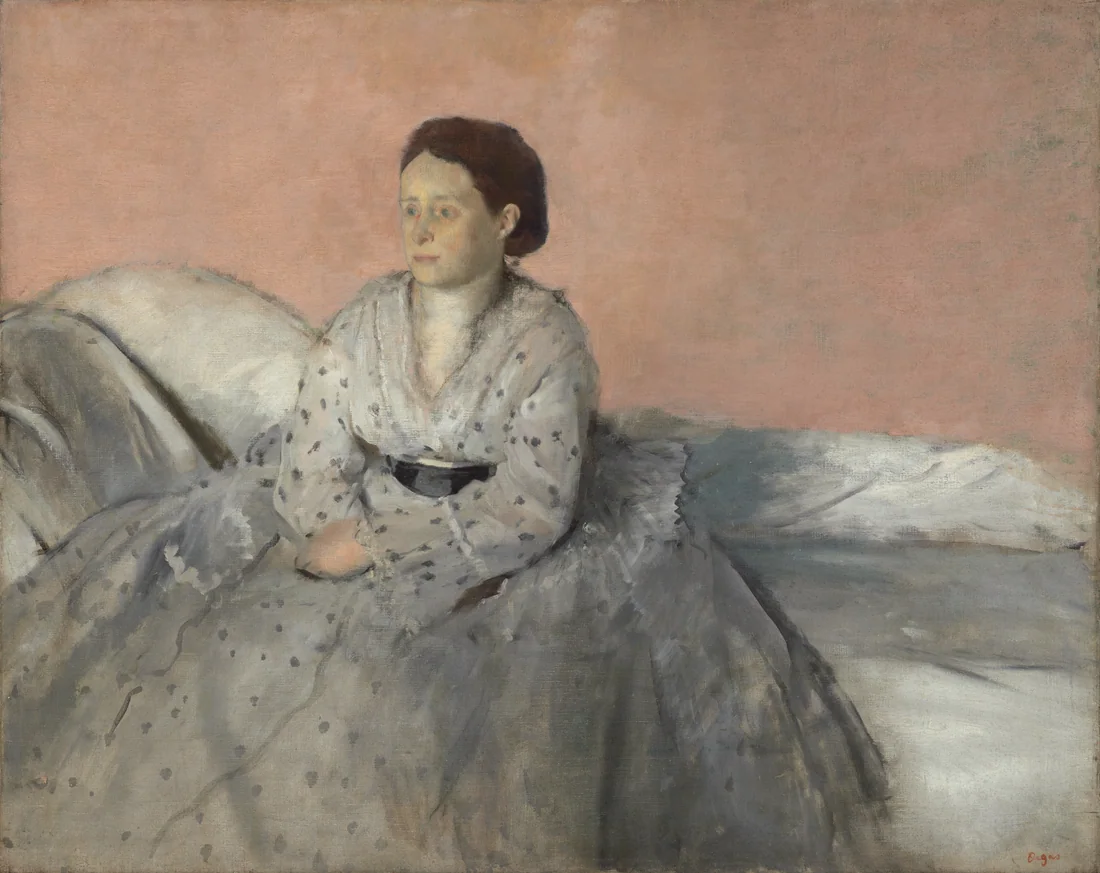 Edgar Degas
Madame René de Gas, 1872–73
from 399 kr
-
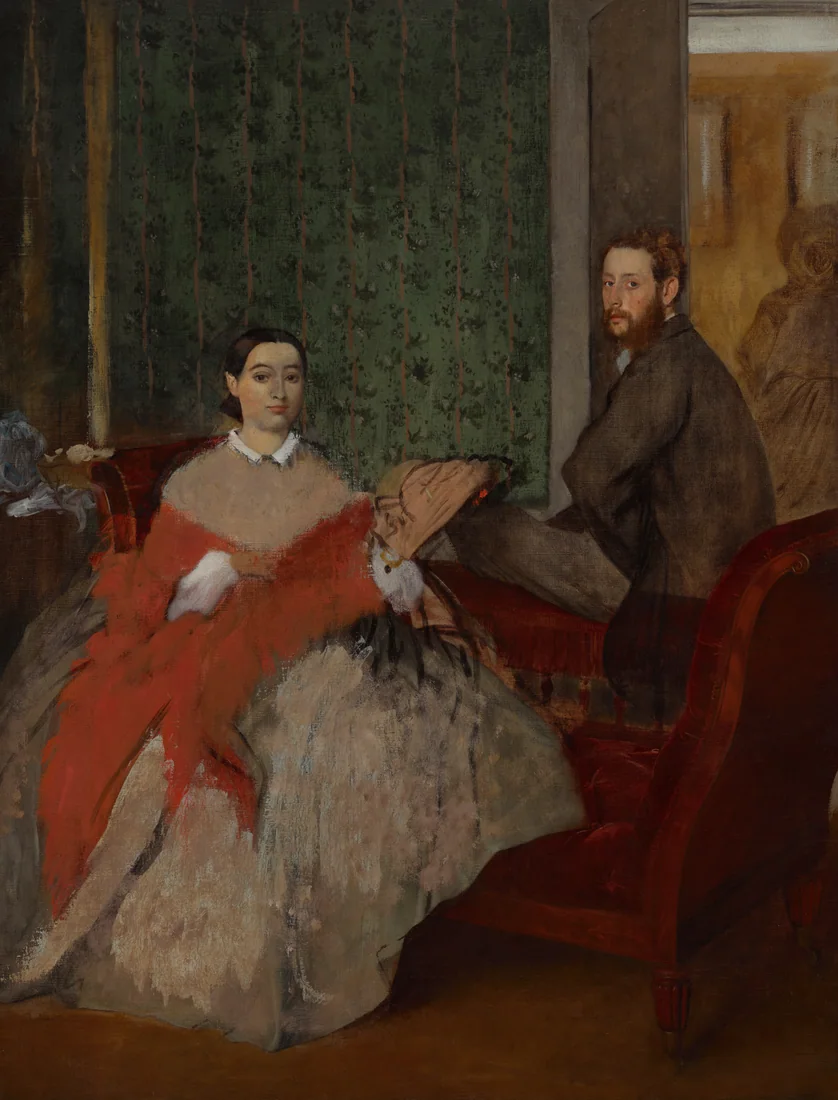 Edgar Degas
Edmondo and Thérèse Morbilli, c. 1865
from 399 kr
-
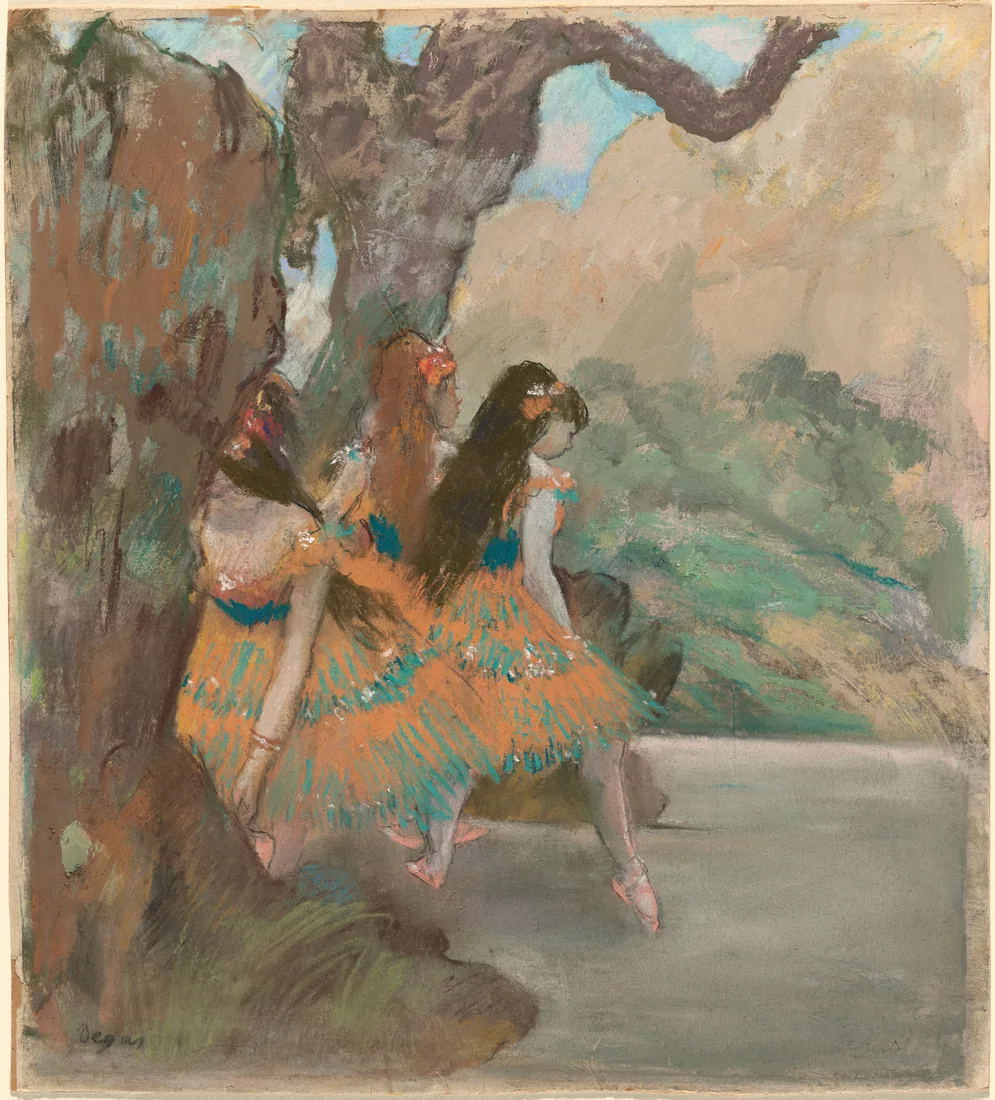 Edgar Degas
Ballet Dancers, c. 1877
from 399 kr
-
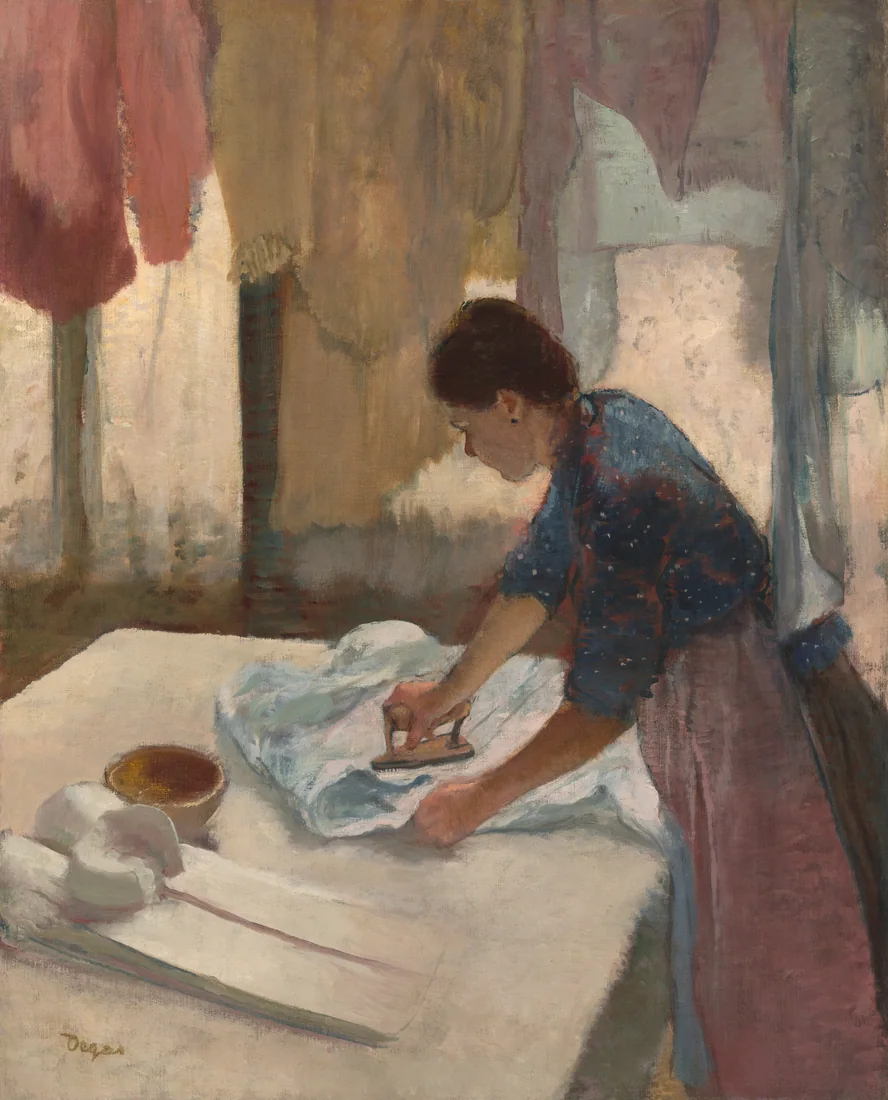 Edgar Degas
Woman Ironing, c. 1876–87
from 399 kr
-
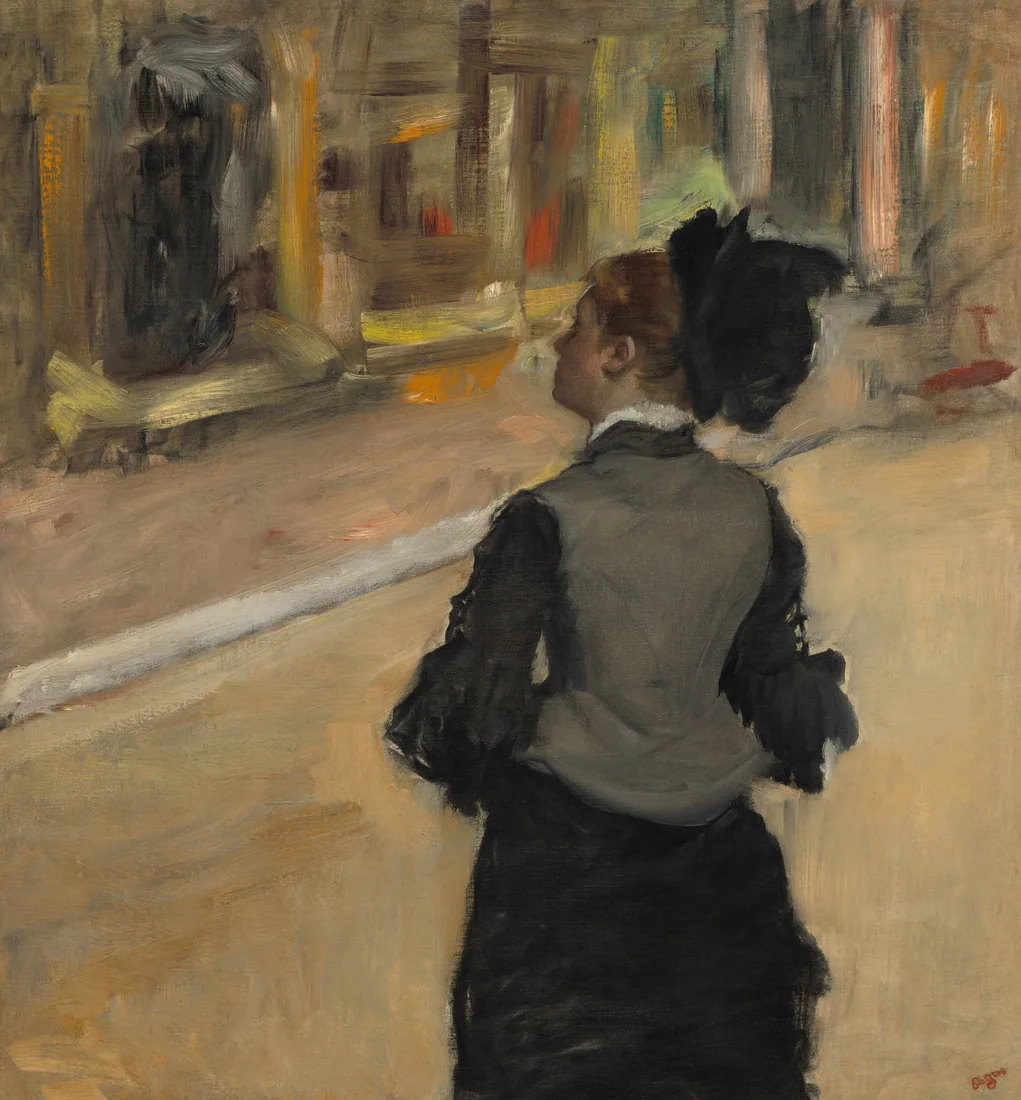 Edgar Degas
Woman Viewed from Behind (Visit to a Museum), c. 1879–85
from 399 kr
-
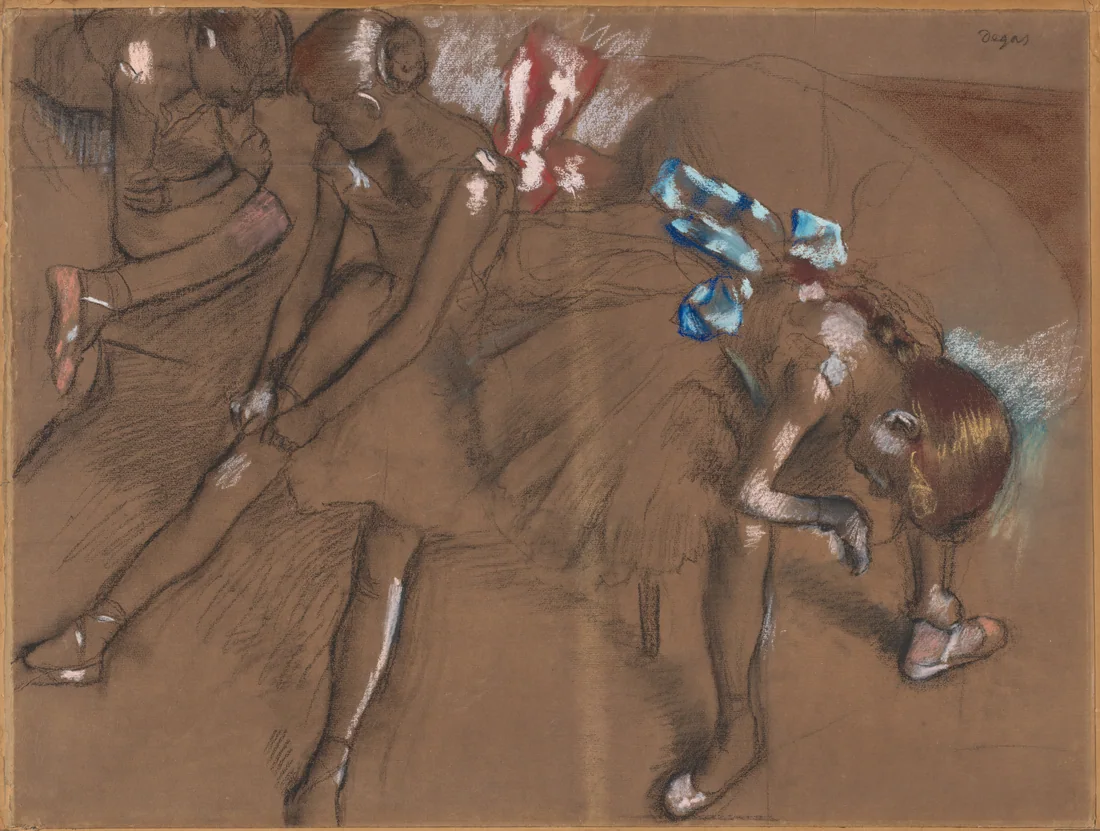 Edgar Degas
Three Dancers Resting, c. 1880
from 399 kr
-
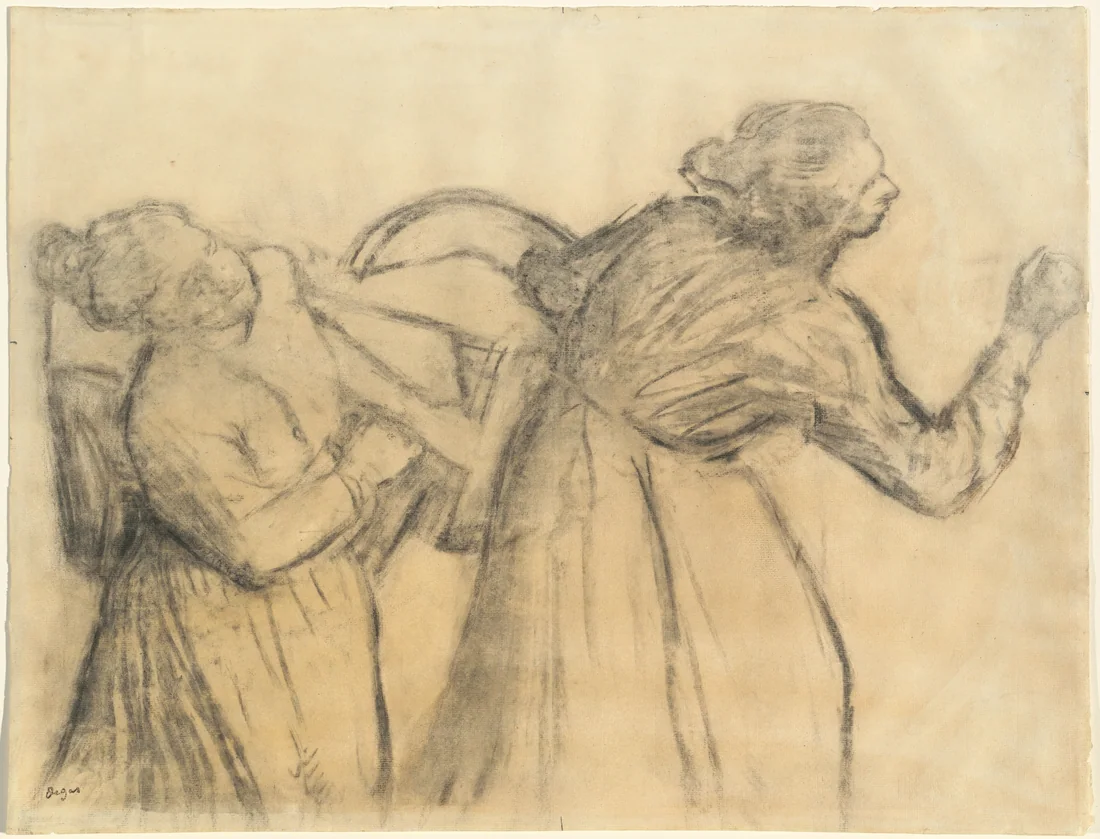 Edgar Degas
Laundress Carrying Linen, c. 1885–95
from 399 kr
-
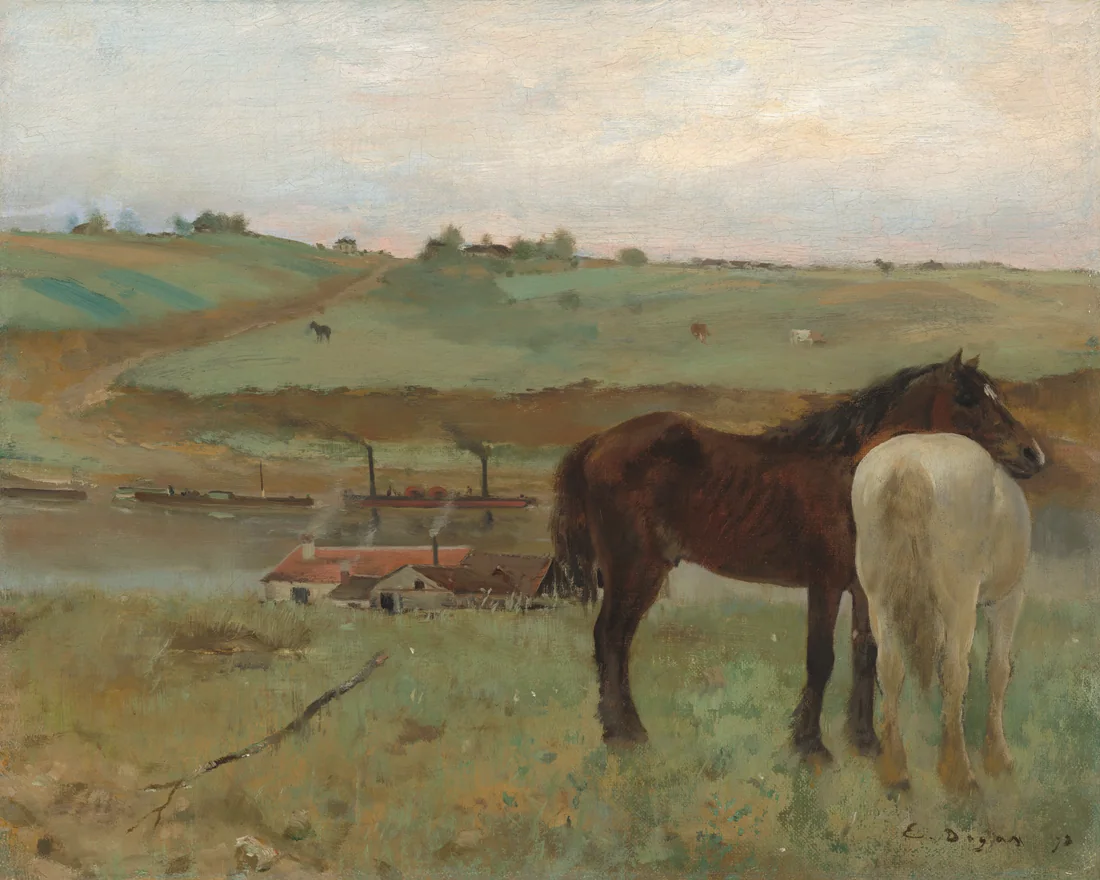 Edgar Degas
Horses in a Meadow, 1871
from 399 kr
-
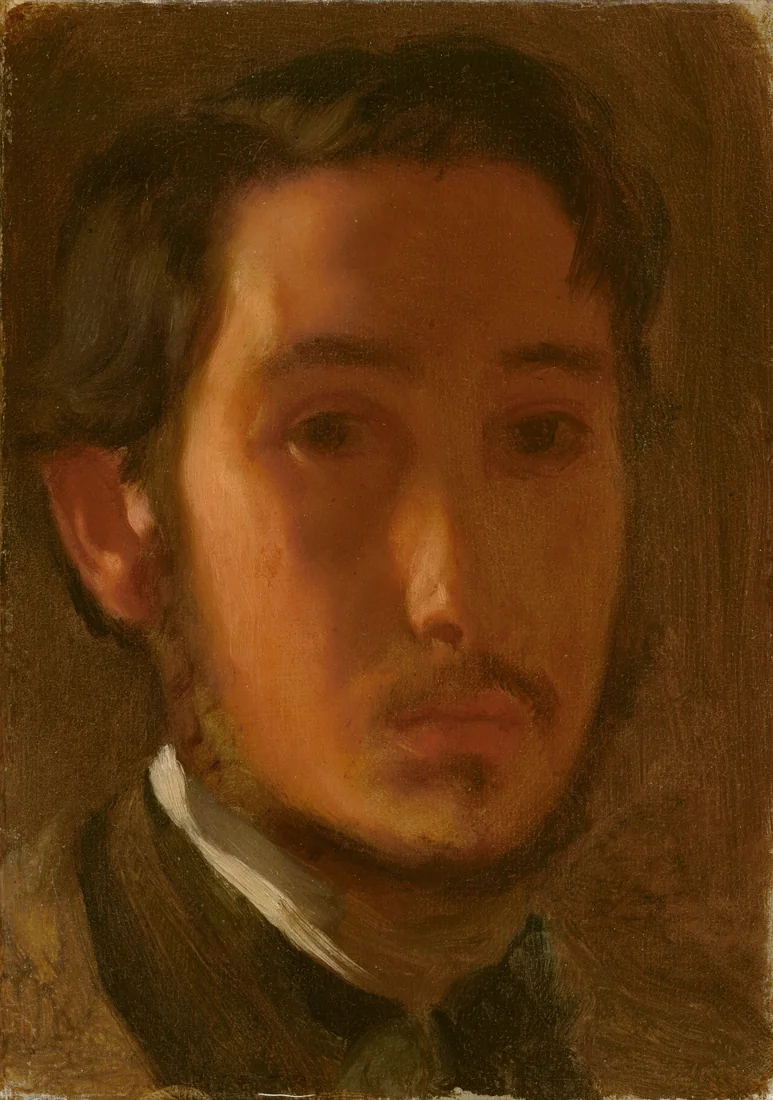 Edgar Degas
Self-Portrait with White Collar, c. 1857
from 399 kr
-
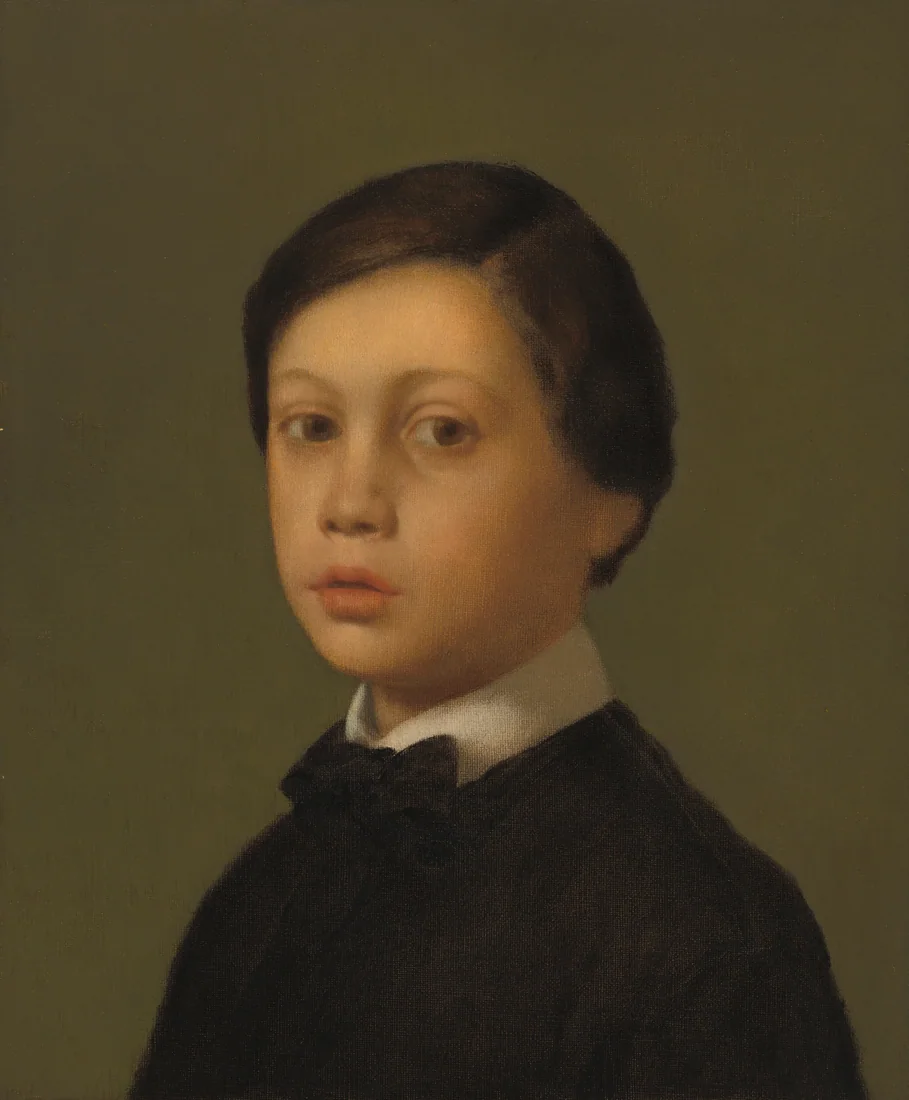 Edgar Degas
René de Gas, 1855
from 399 kr
-
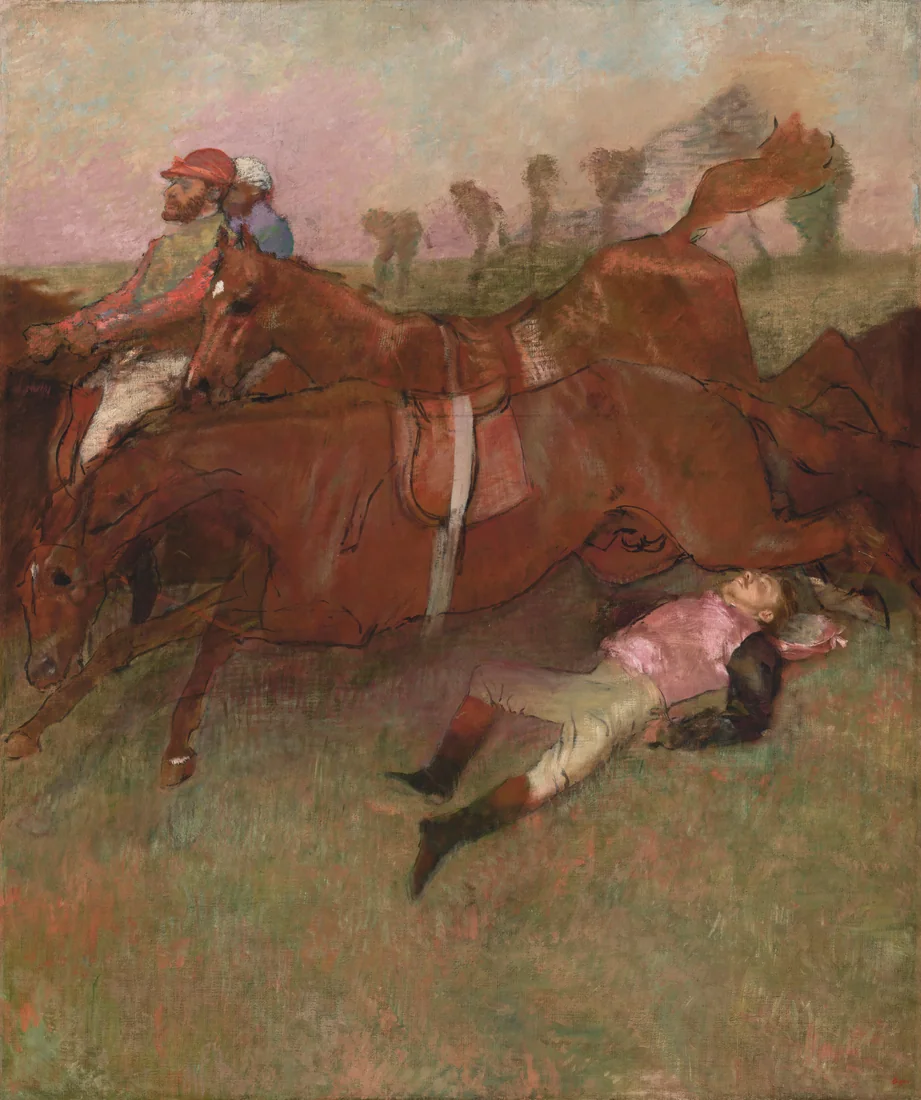 Edgar Degas
Scene from the Steeplechase: The Fallen Jockey, 1866; reworked 1880–81 and c. 1897
from 399 kr
-
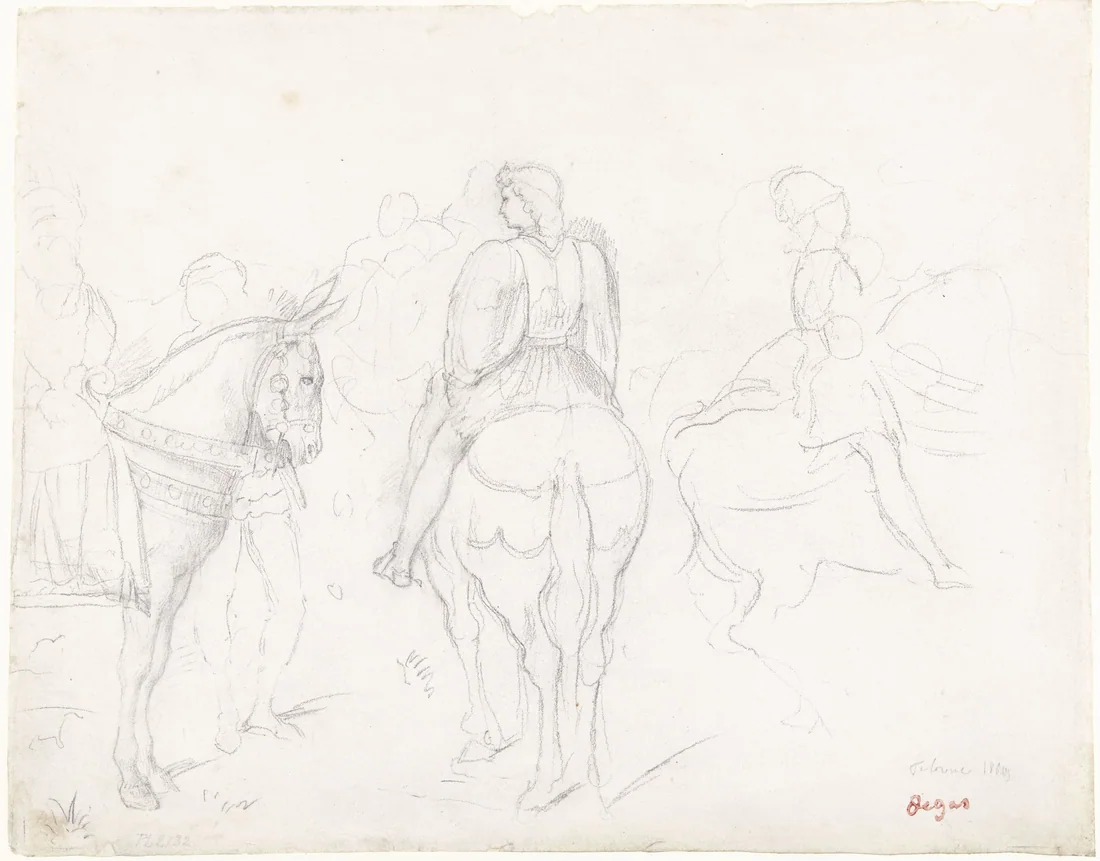 Edgar Degas
Riders
from 399 kr
-
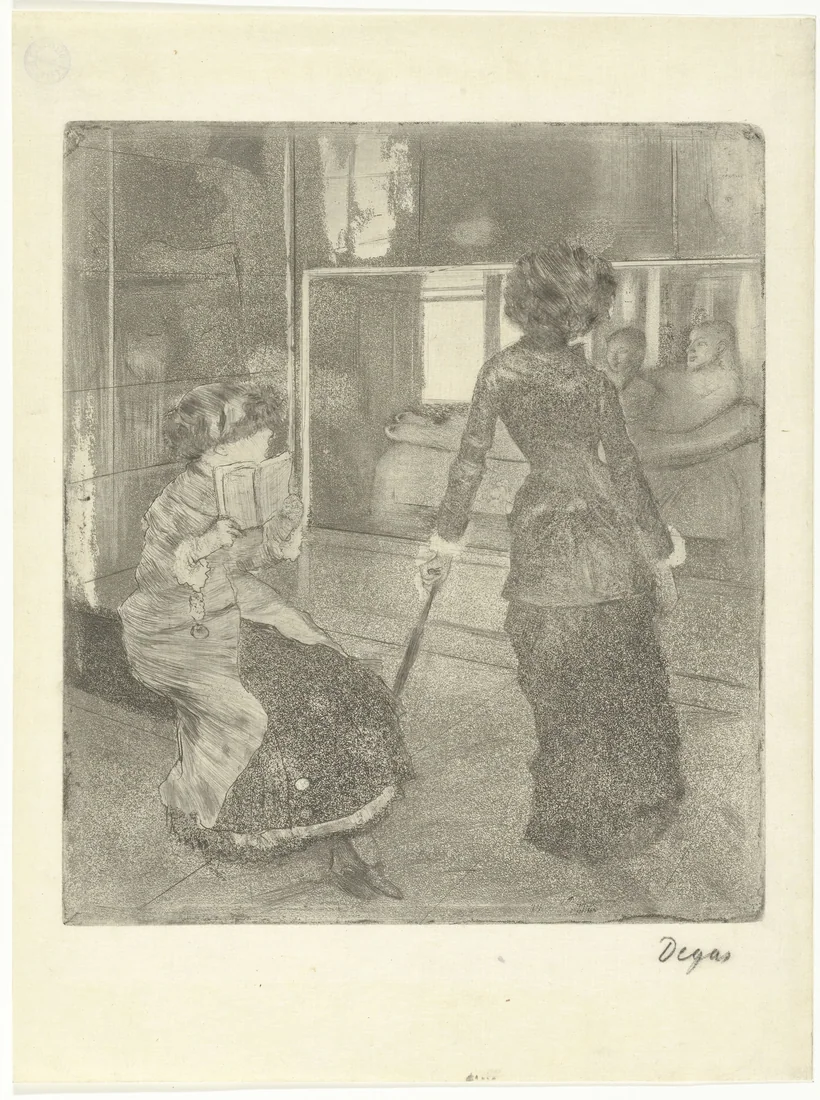 Edgar Degas
Mary Cassatt in the Louvre, Etruscan Gallery
from 399 kr
-
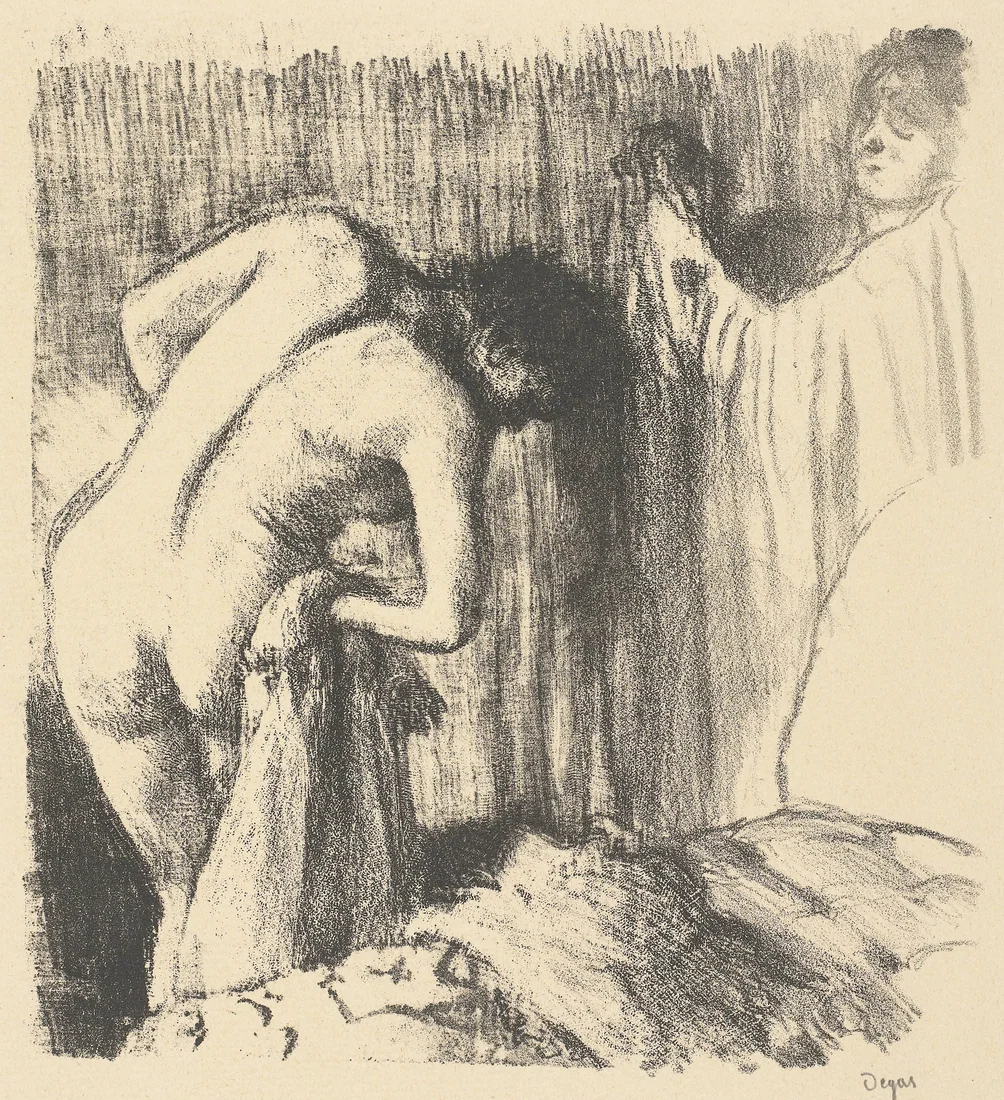 Edgar Degas
Woman After Bath with Attendant
from 399 kr
-
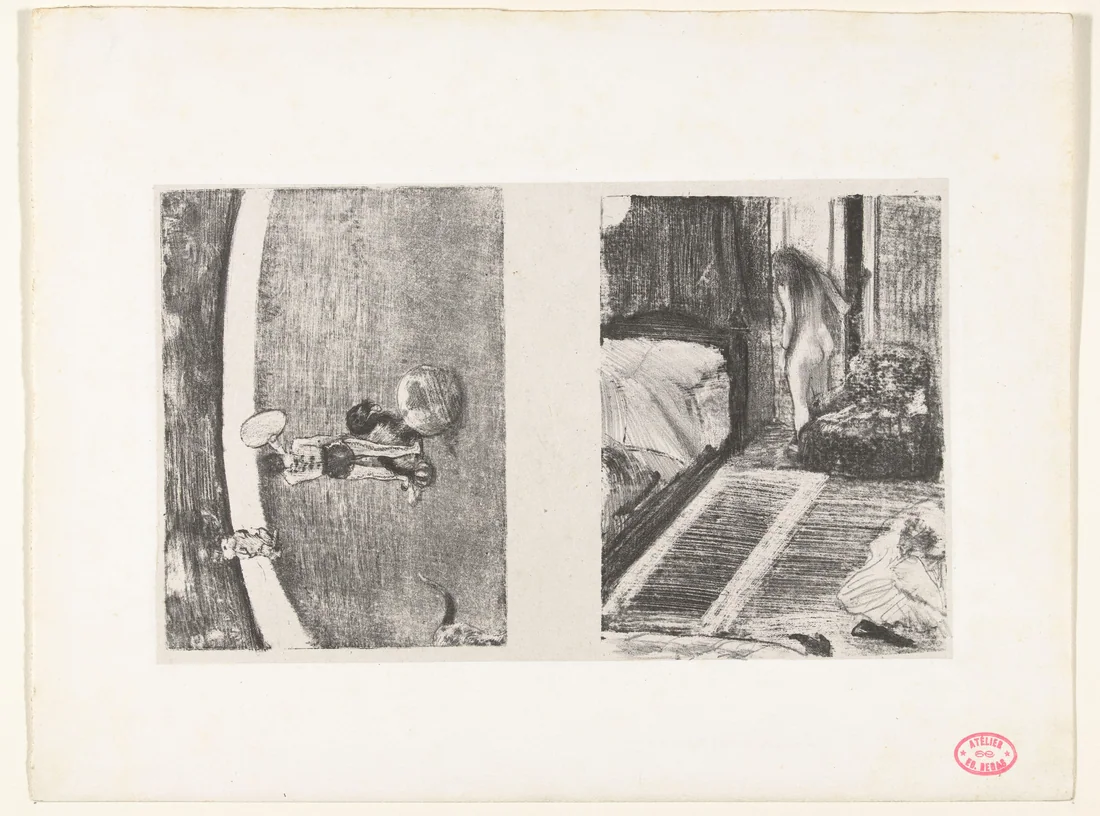 Edgar Degas
At the Cirque Médrano; Nude Woman at Her Doorway, 1879
from 399 kr
Degas took part in seven of the eight Impressionist exhibitions, but unlike most of his Impressionist friends he rarely painted outdoors. He worked in the studio, from memory and drawings, and returned to the same subjects for decades: dancers, horses and women at work.
Our forty-seven Degas prints show that range of technique. Alongside oil paintings such as The Dance Class (c. 1873) and Four Dancers (c. 1899) there are pastels such as Before the Race, as well as etchings, lithographs, monotypes and pencil portraits.
There are dancers rehearsing and resting, racehorses, laundresses, and many portraits of his family, among them his brothers Achille and René, his sister Thérèse and his sister-in-law Estelle, Madame René de Gas. About half of the works are portrait format.
Every print is made from a high-resolution museum scan of the original and printed on 200 g matte fine art paper. The work is scaled to fit the sheet, never cropped. Each print page shows the sizes the scan supports, from 30×40 cm and up.
Questions
Where are the originals?
Twenty-seven are in the National Gallery of Art in Washington, sixteen in the Cleveland Museum of Art and four in the Rijksmuseum in Amsterdam.
Are all the prints made from paintings?
No. About two in five are oil paintings; the rest are pastels, drawings and prints. The print page names the medium of the original.