Hokusai prints
40 prints
Katsushika Hokusai (1760–1849) was a Japanese painter and printmaker whose career lasted some seventy years. His series Thirty-six Views of Mount Fuji, with The Great Wave, made him one of the best-known artists in the world.
-
 Katsushika Hokusai
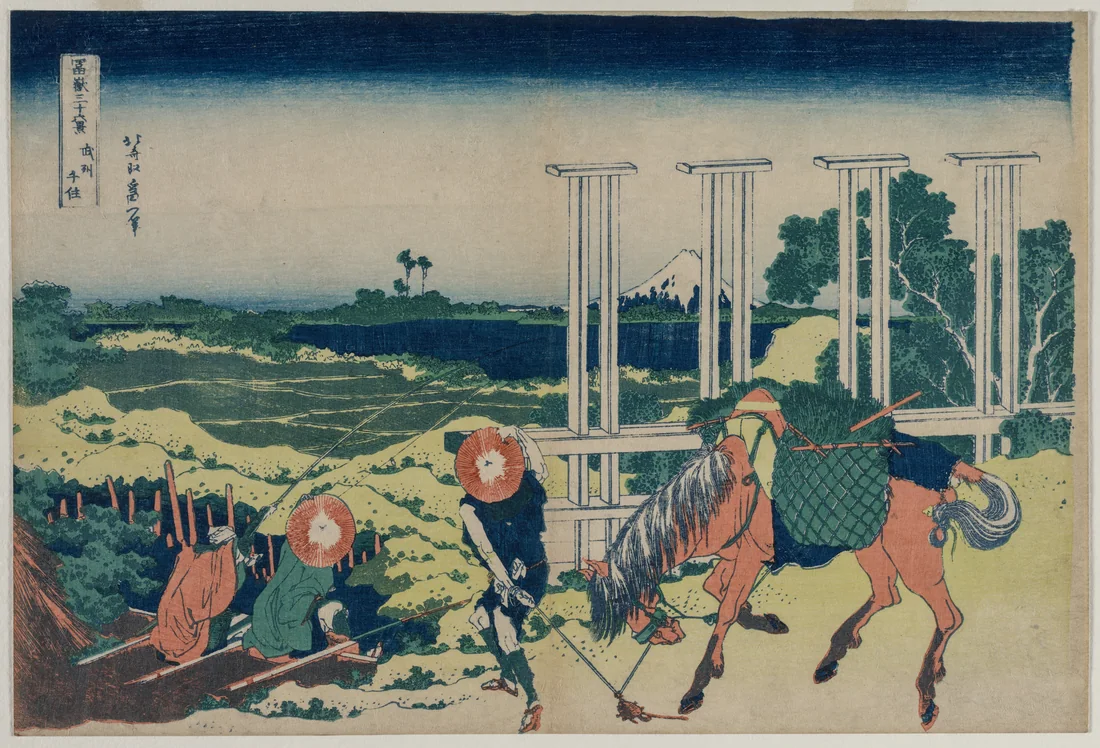
The Weir at Senju in Musashi Province (from Thirty-Six Views of Mount Fuji), early 1830s
from 399 kr
-
 Katsushika Hokusai
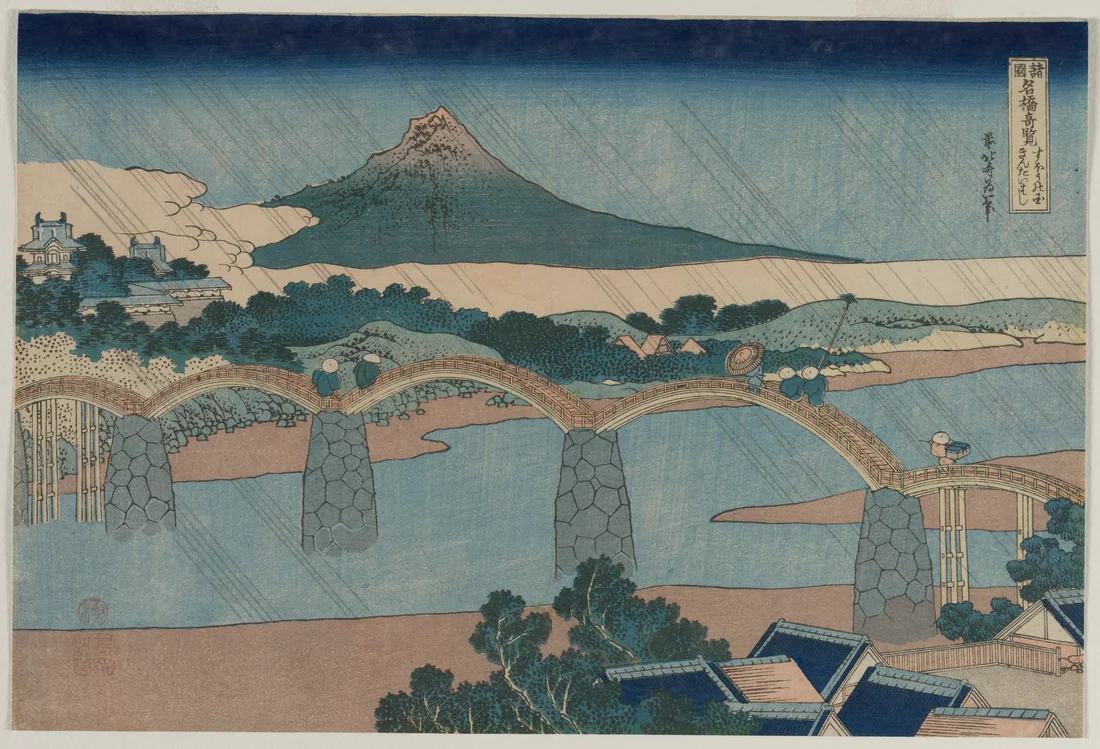
The Brocade Bridge in Suo Province, early 1830s
from 399 kr
-
 Katsushika Hokusai
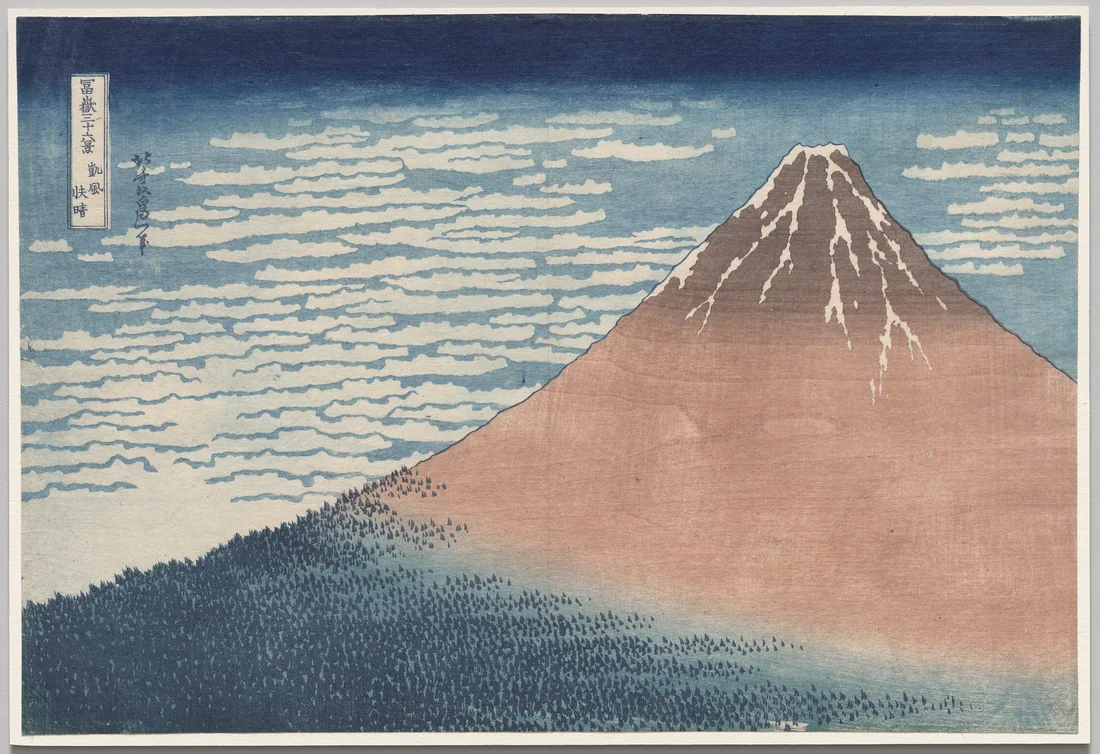
South Wind, Clear Sky (from the series Thirty-Six Views of Mount Fuji), early 1830s
from 399 kr
-
 Katsushika Hokusai
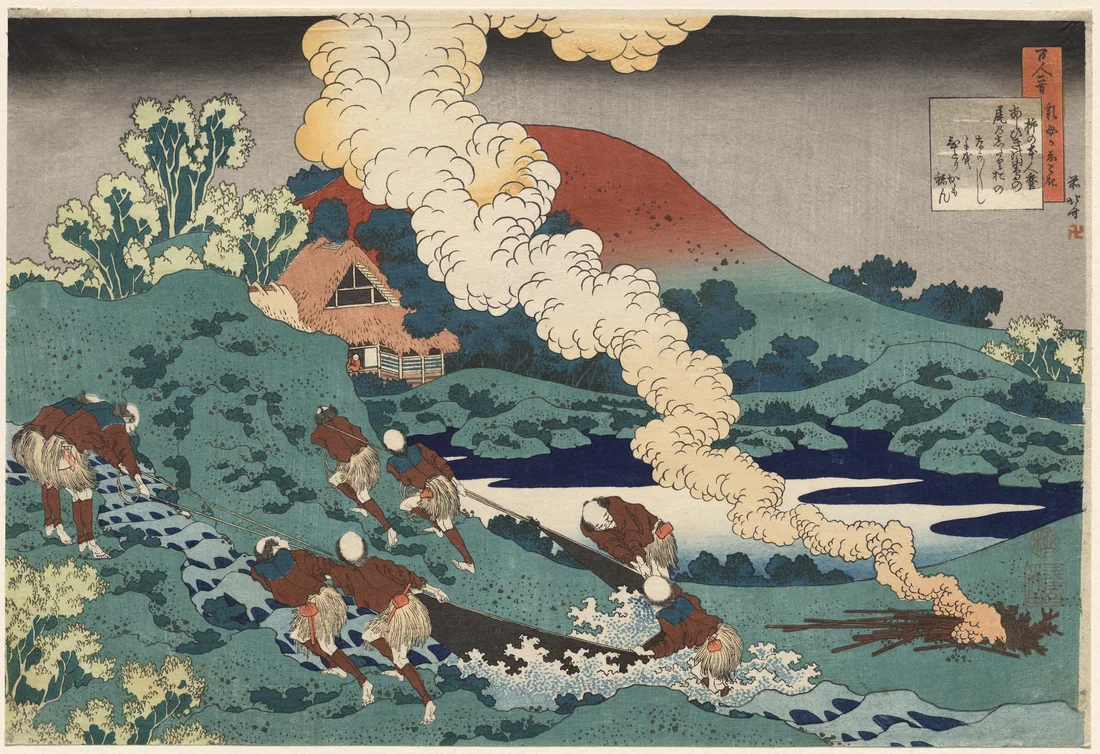
Poem by Kakinomoto no Hitomaro, 1835–36
from 399 kr
-
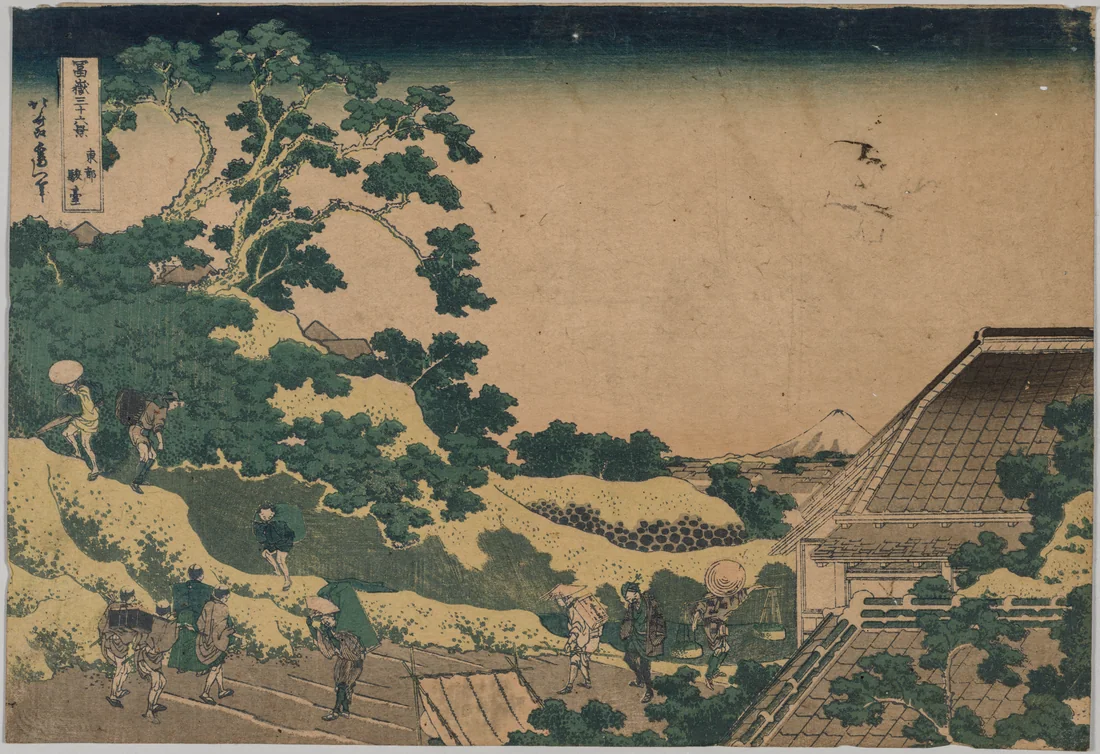 Katsushika Hokusai
Fuji from Surugadai, in Yedo
from 399 kr
-
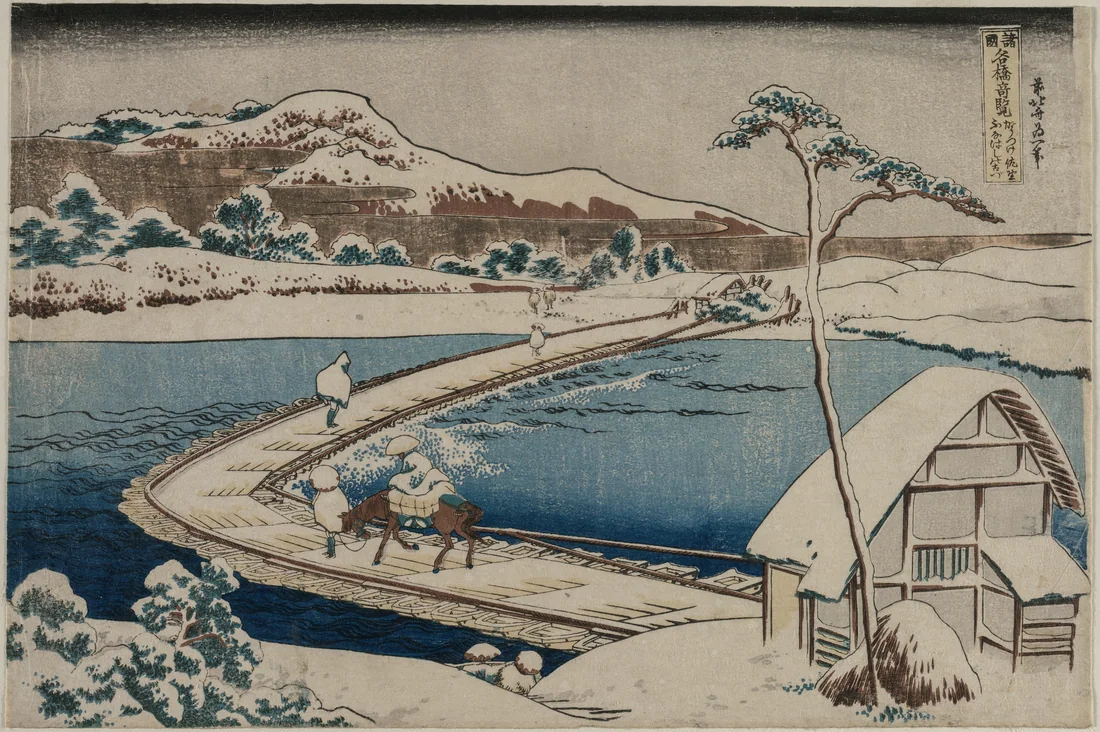 Katsushika Hokusai
Boat Bridge at Sano in Kozuke Province, early 1830s
from 399 kr
-
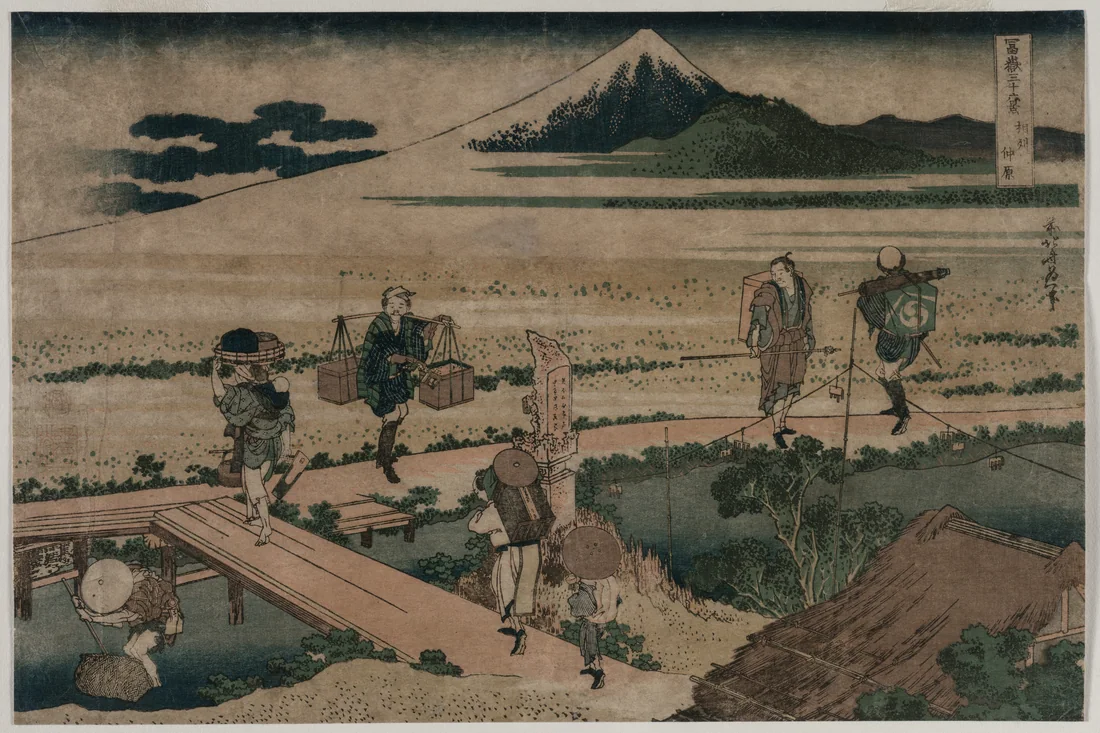 Katsushika Hokusai
A View of Mount Fuji and Travellers by a Bridge, c. 1835
from 399 kr
-
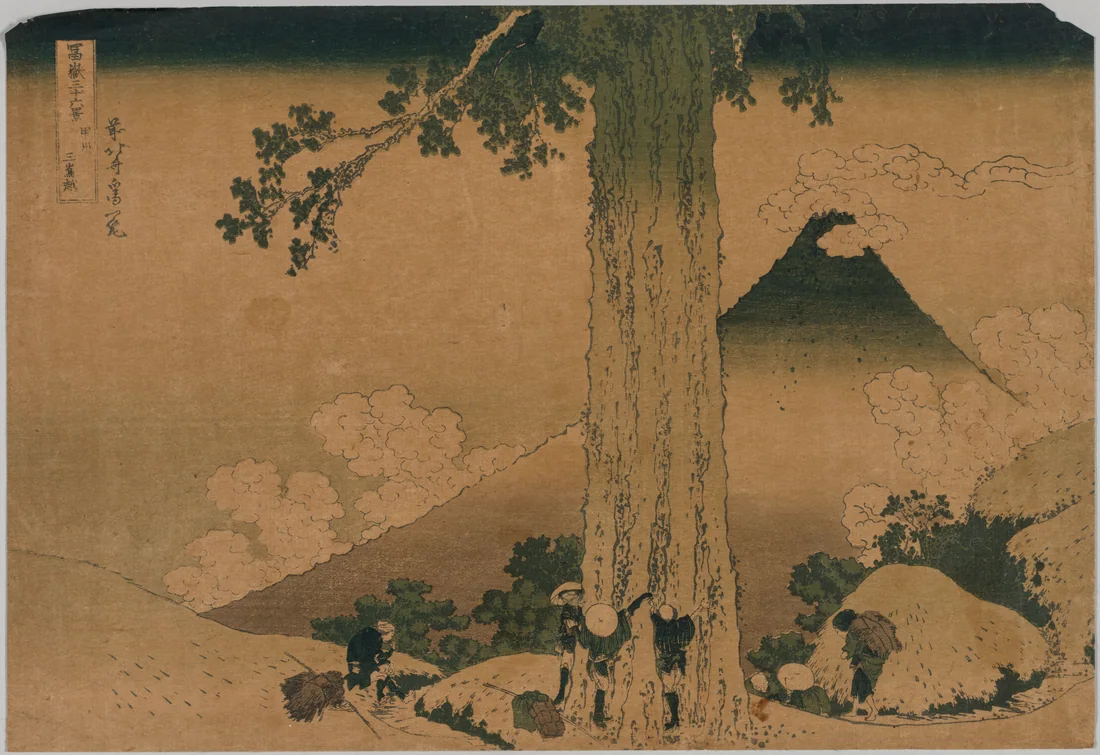 Katsushika Hokusai
Fuji from the Pass of Mishima, Koshu Province
from 399 kr
-
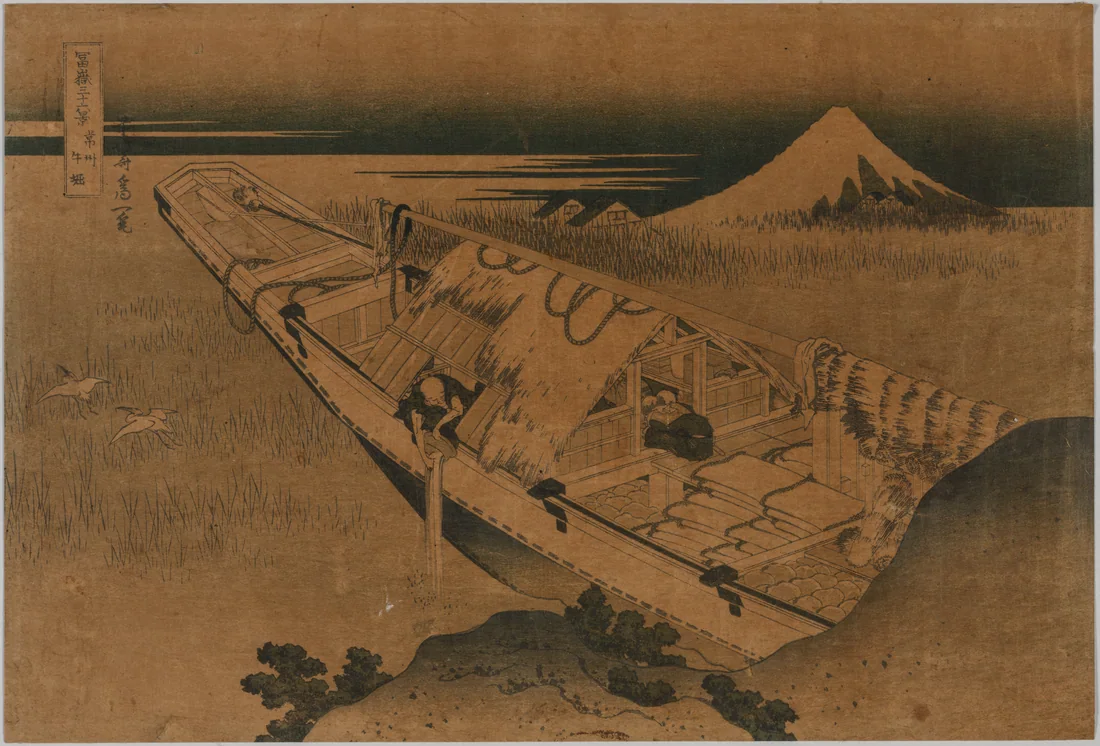 Katsushika Hokusai
Fuji from Ushibori, Province of Hitachi
from 399 kr
-
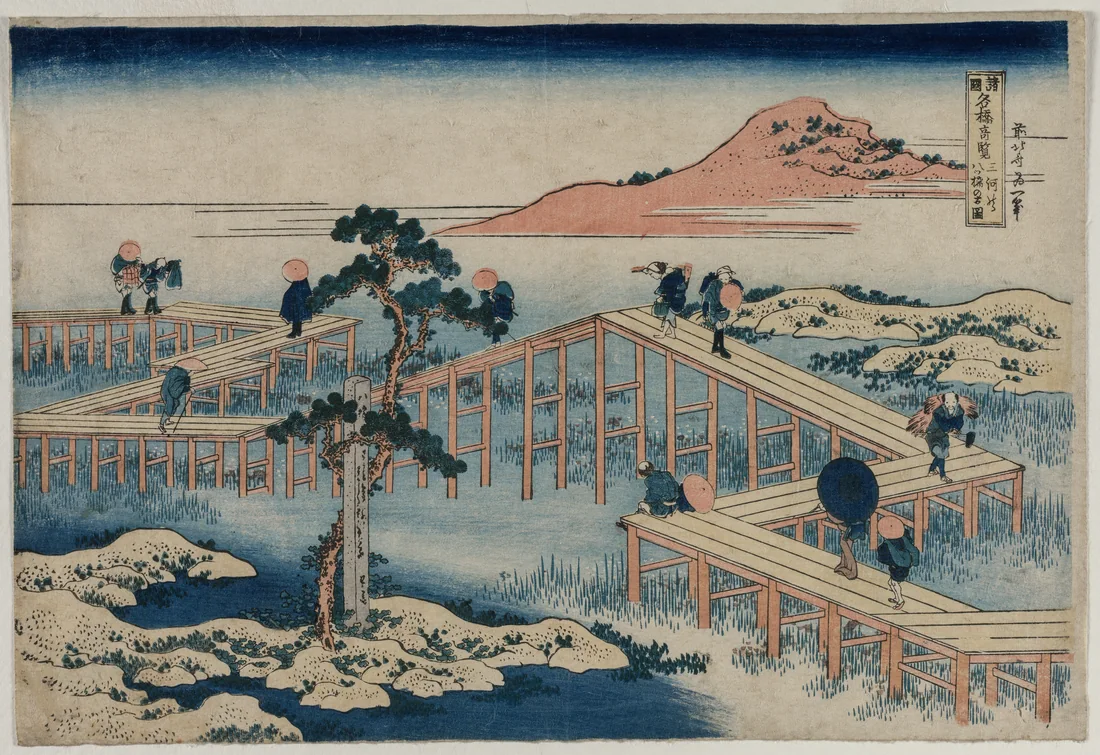 Katsushika Hokusai
Eight-Part Bridge in Mikawa Province, early 1830s
from 399 kr
-
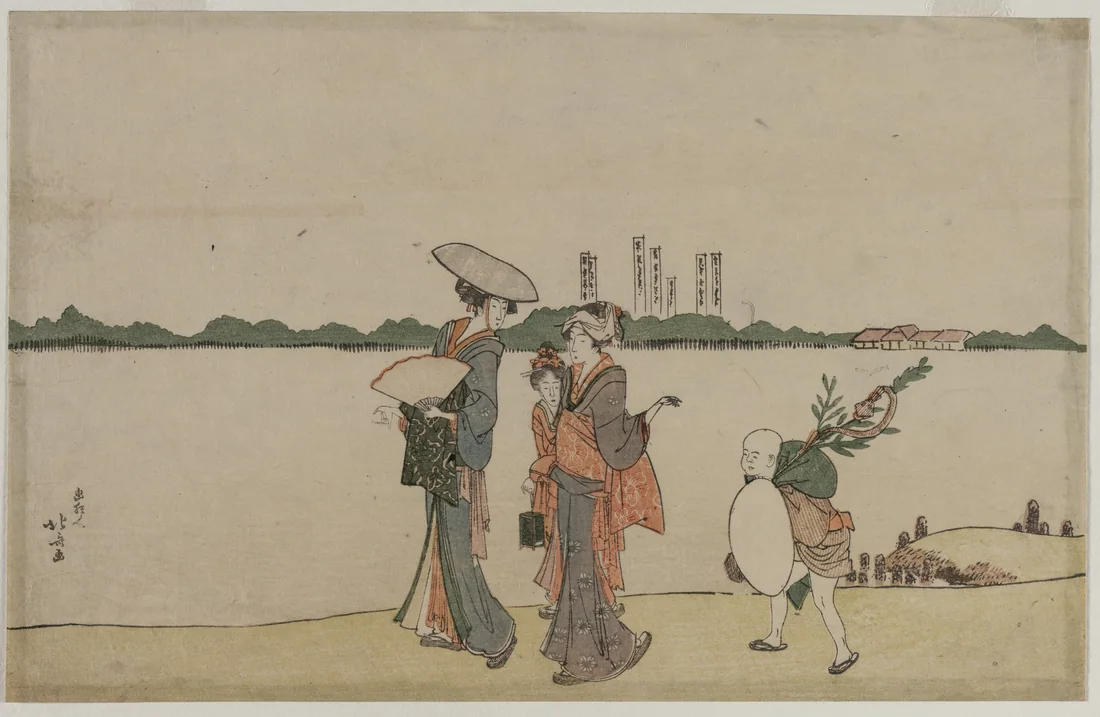 Katsushika Hokusai
Women and Children Walking Along the Sumida River, early 1800s
from 399 kr
-
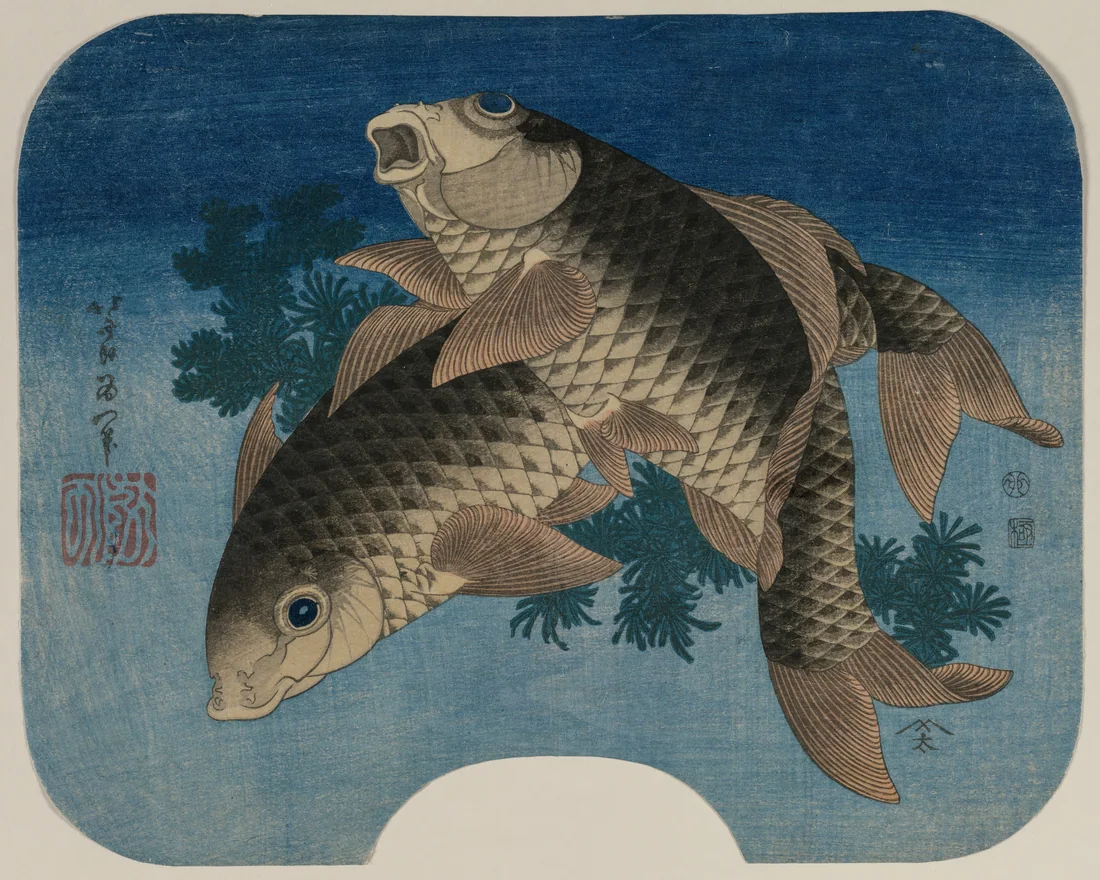 Katsushika Hokusai
Carp Swimming by Water Weeds, 1831
from 399 kr
-
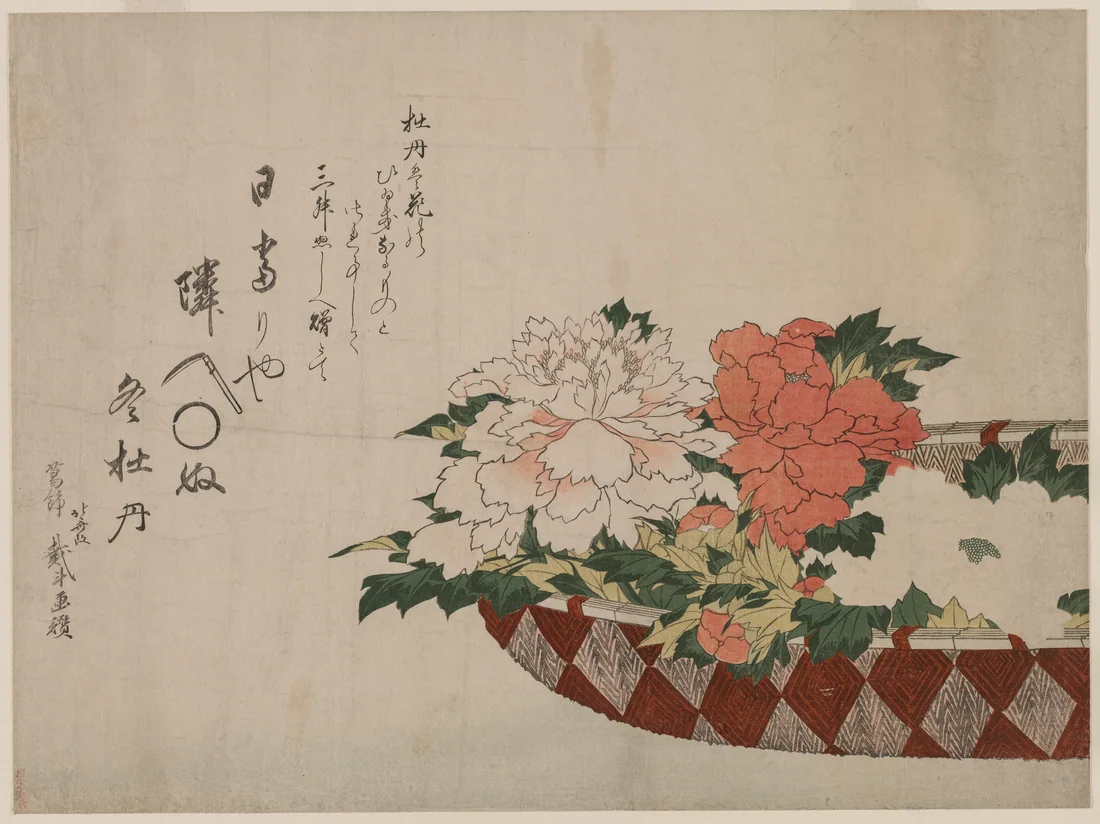 Katsushika Hokusai
Basket of Peonies, 1810 or 1814
from 399 kr
-
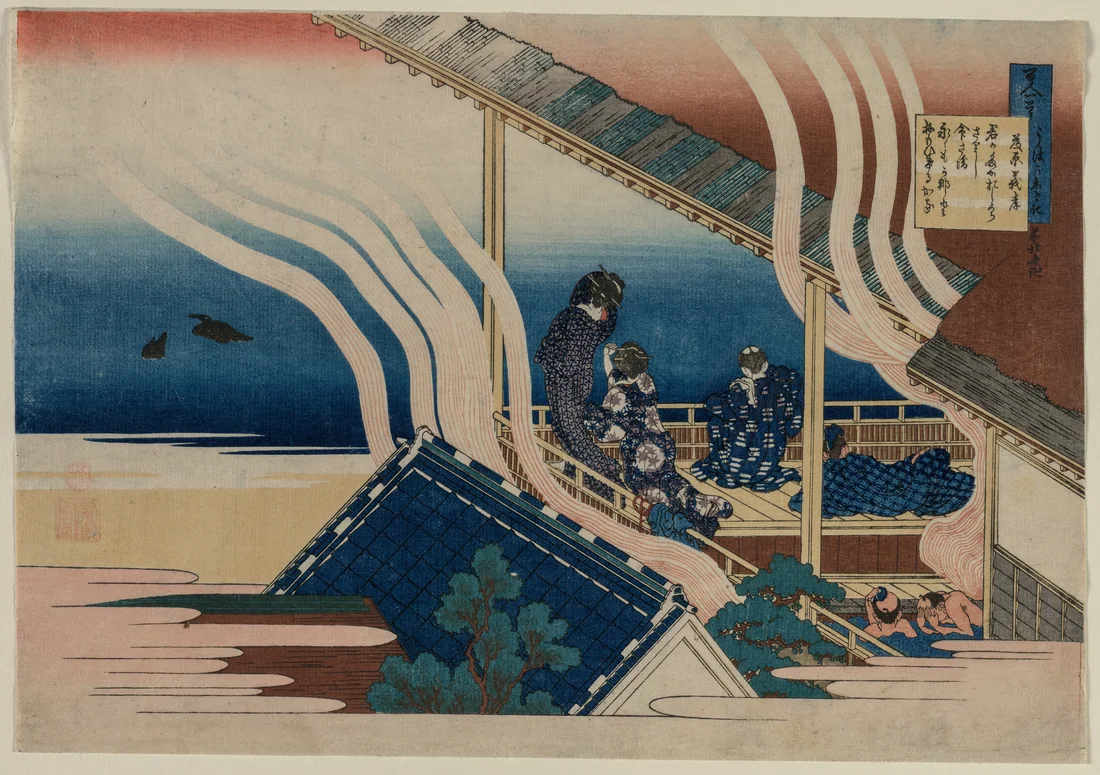 Katsushika Hokusai
Poem by Fujiwara no Yoshitaka, 1835–36
from 399 kr
-
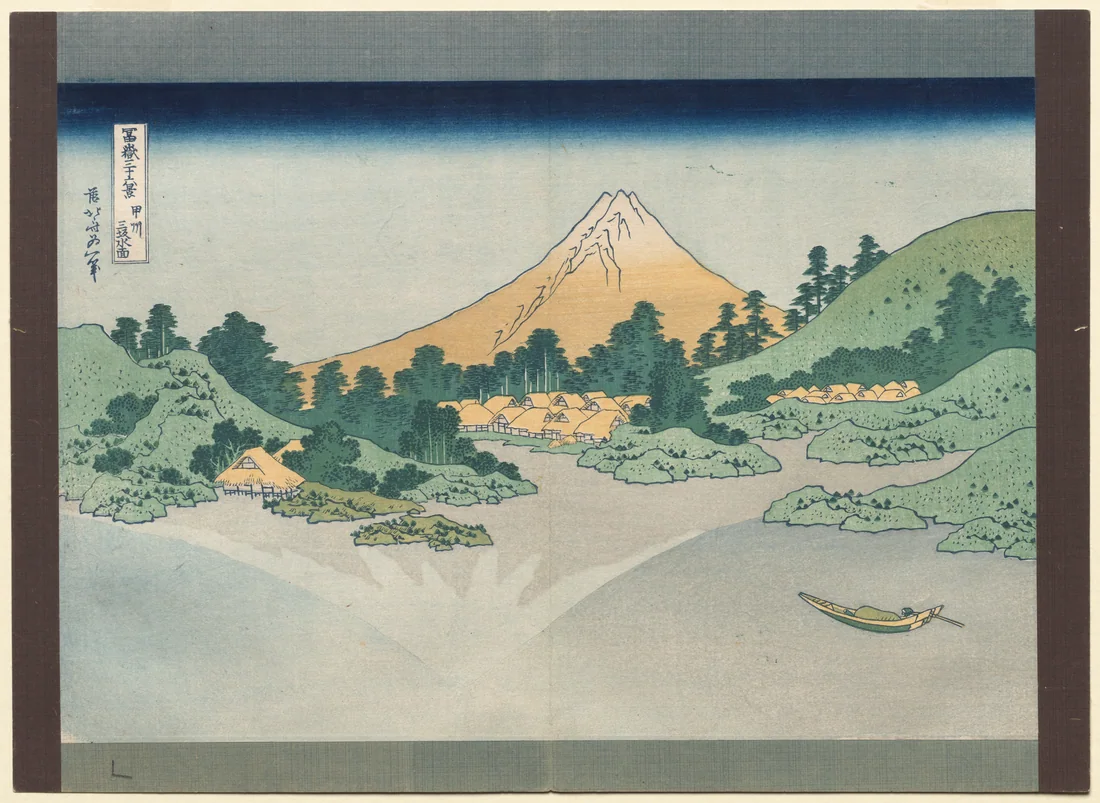 Katsushika Hokusai
The Surface of Lake Misaka in Kai Province, early 1830s
from 399 kr
-
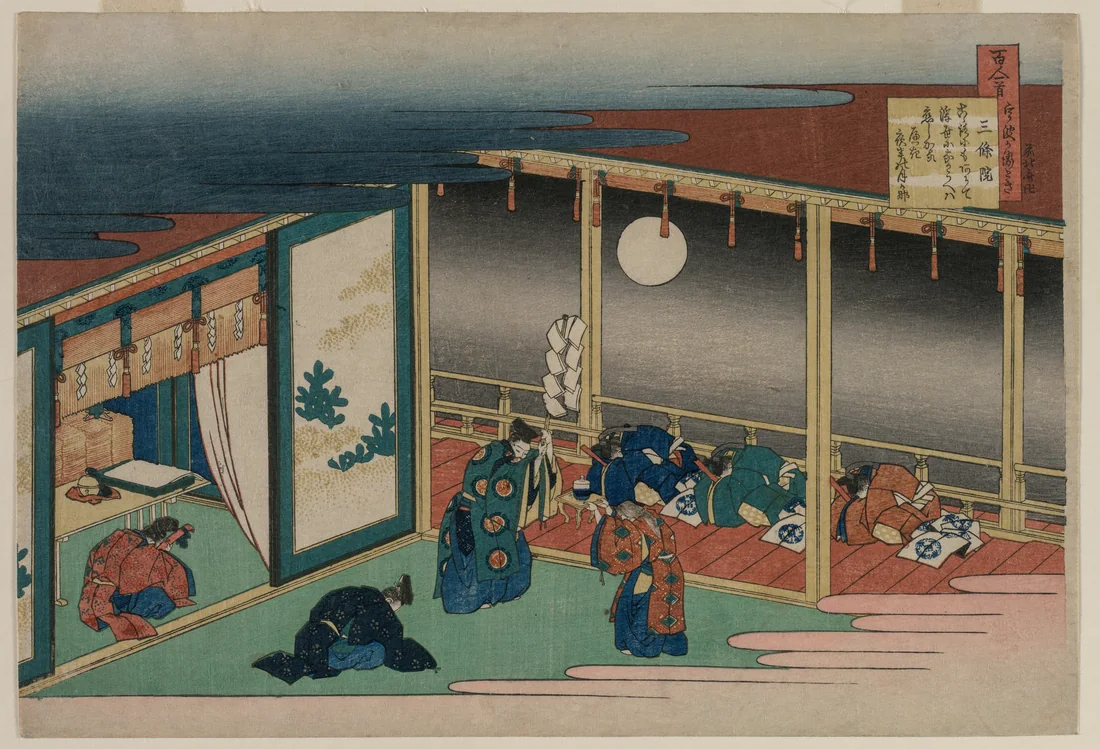 Katsushika Hokusai
Poem by Emperor Sanjo, 1835–36
from 399 kr
-
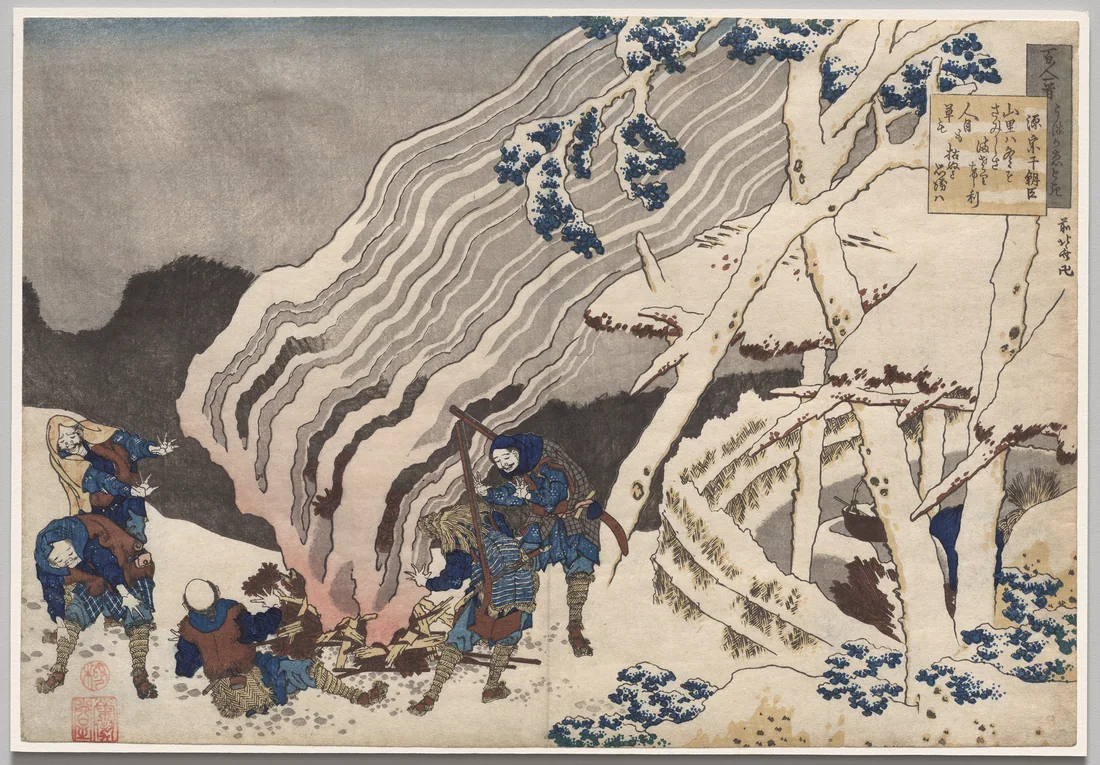 Katsushika Hokusai
Poem by Minamoto no Muneyuki, 1835–36
from 399 kr
-
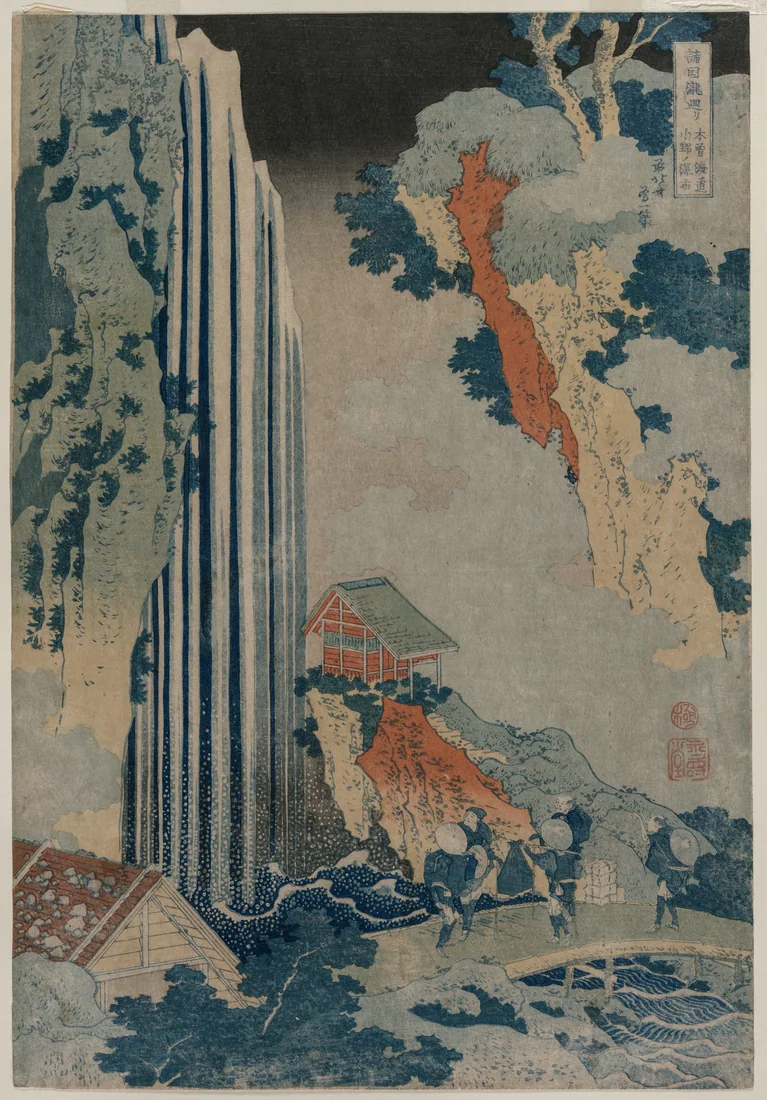 Katsushika Hokusai
Ono Waterfall on the Kiso Road, early 1830s
from 399 kr
-
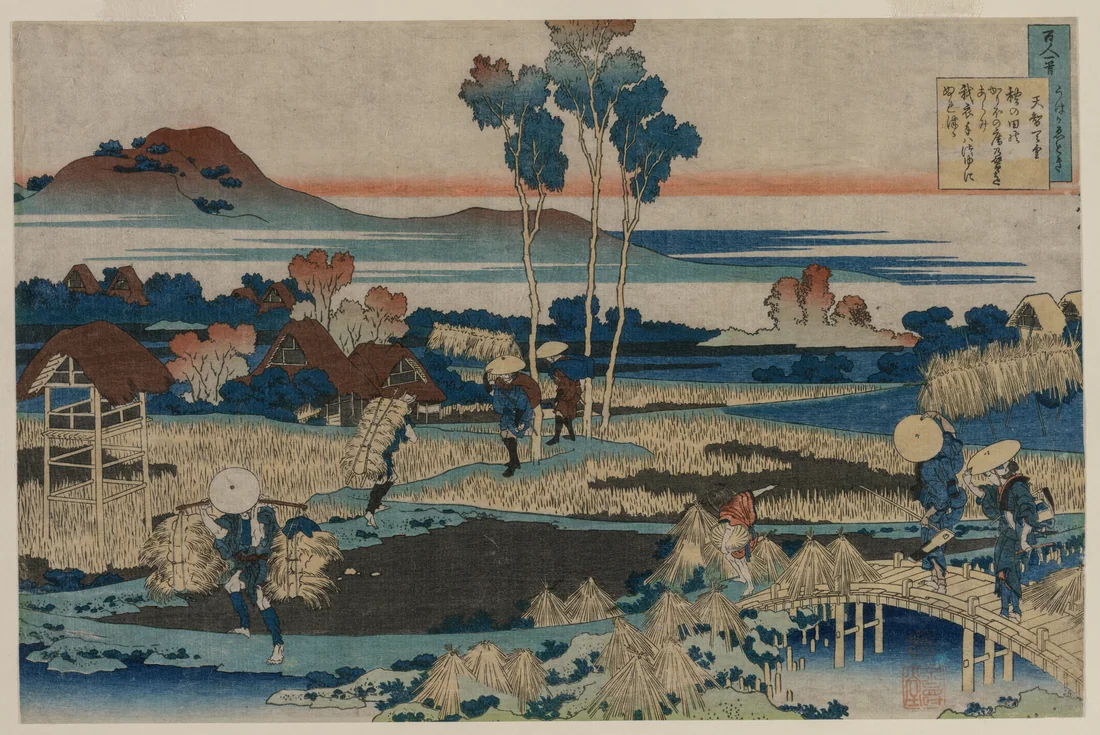 Katsushika Hokusai
Poem by Emperor Tenchi, 1835–36
from 399 kr
-
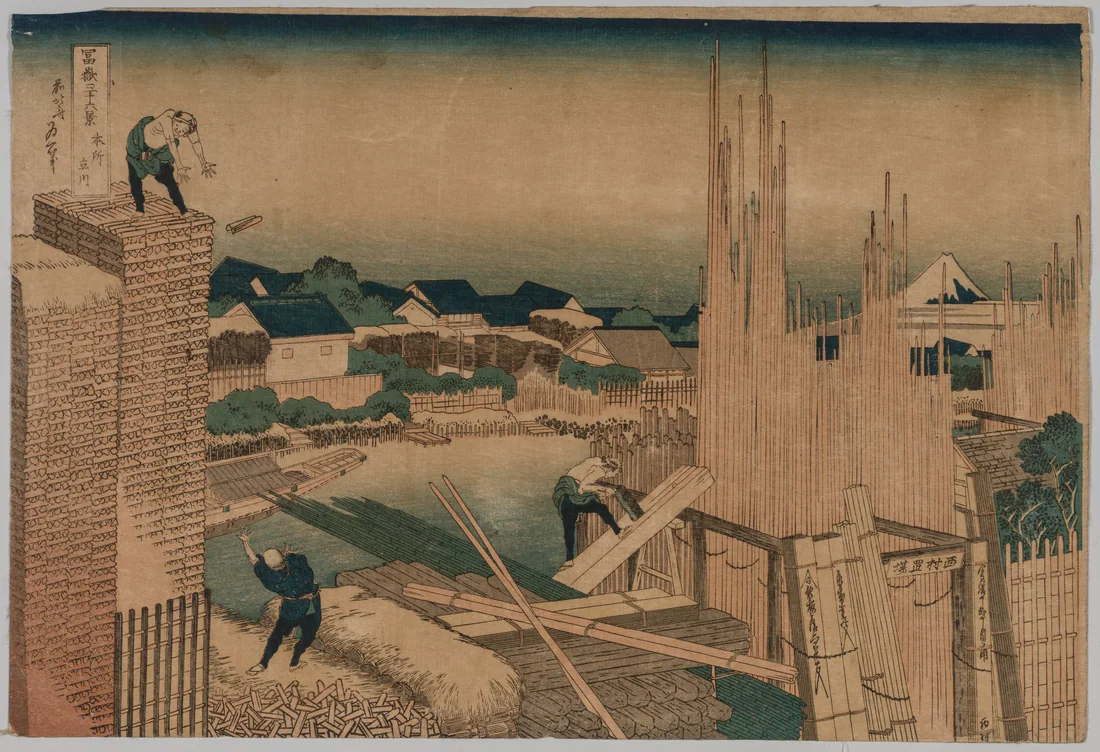 Katsushika Hokusai
Lumber Yard
from 399 kr
-
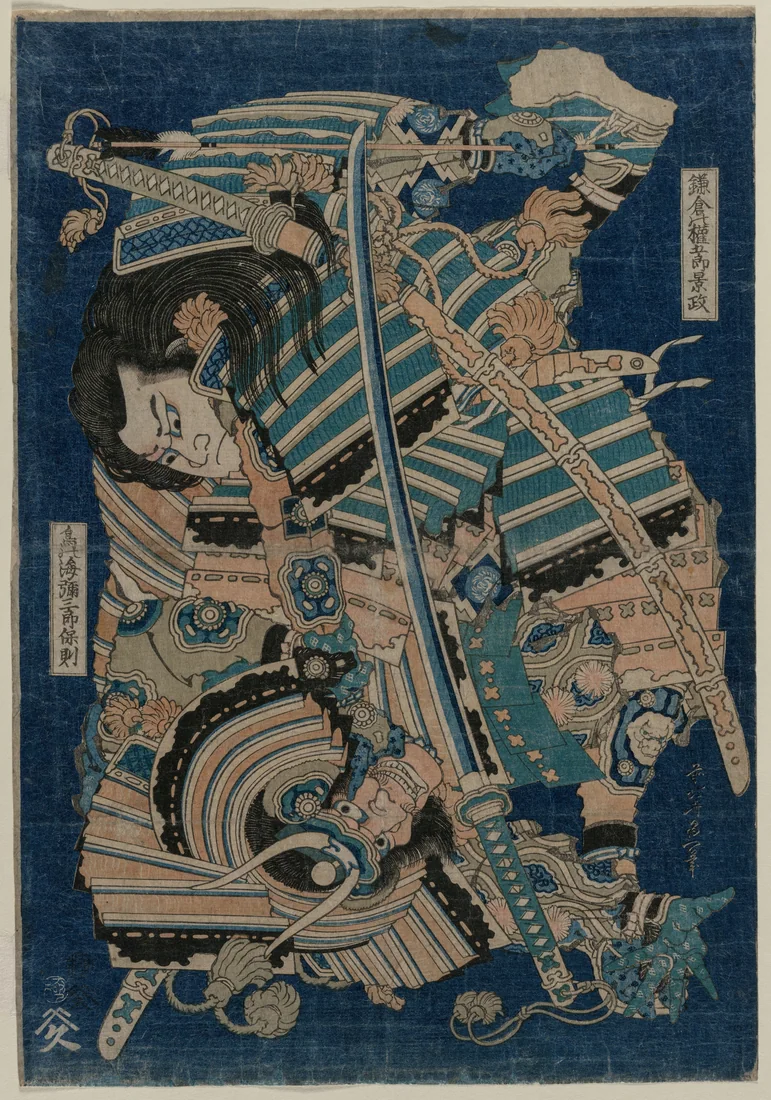 Katsushika Hokusai
Kamakura no Gengoro Seizing Torinoumi Tasaburo, early 1830s
from 399 kr
-
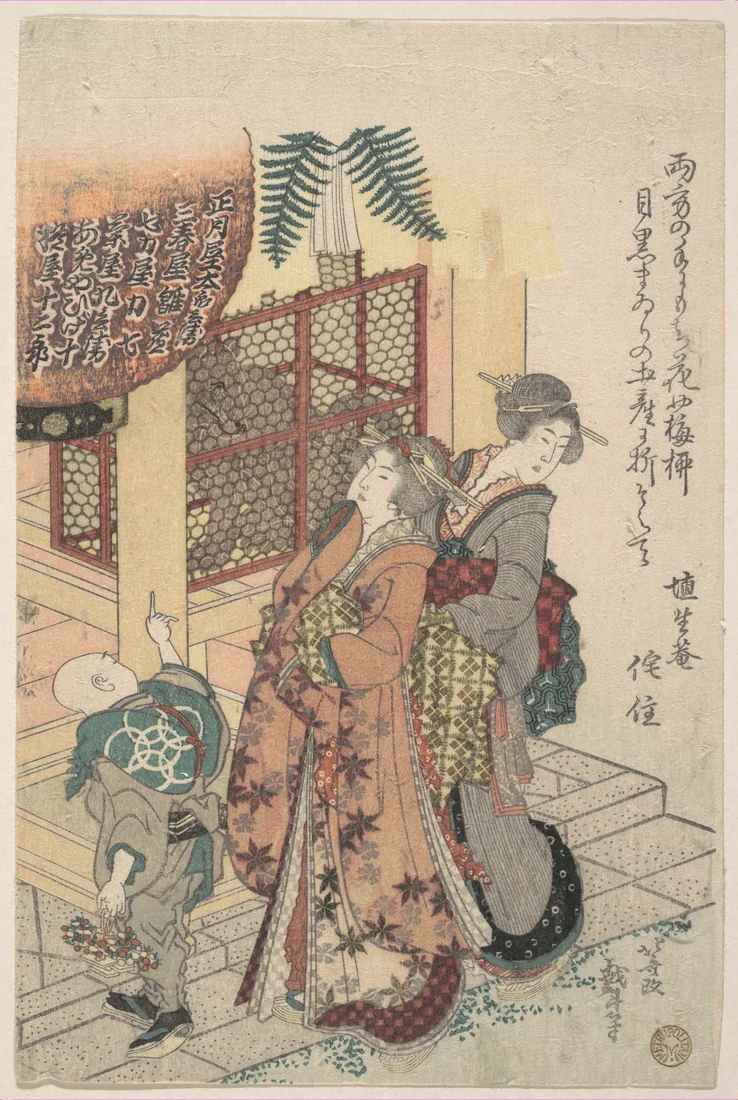 Katsushika Hokusai
Young Ladies Paying Homage to a Shrine, c. 1814
from 399 kr
-
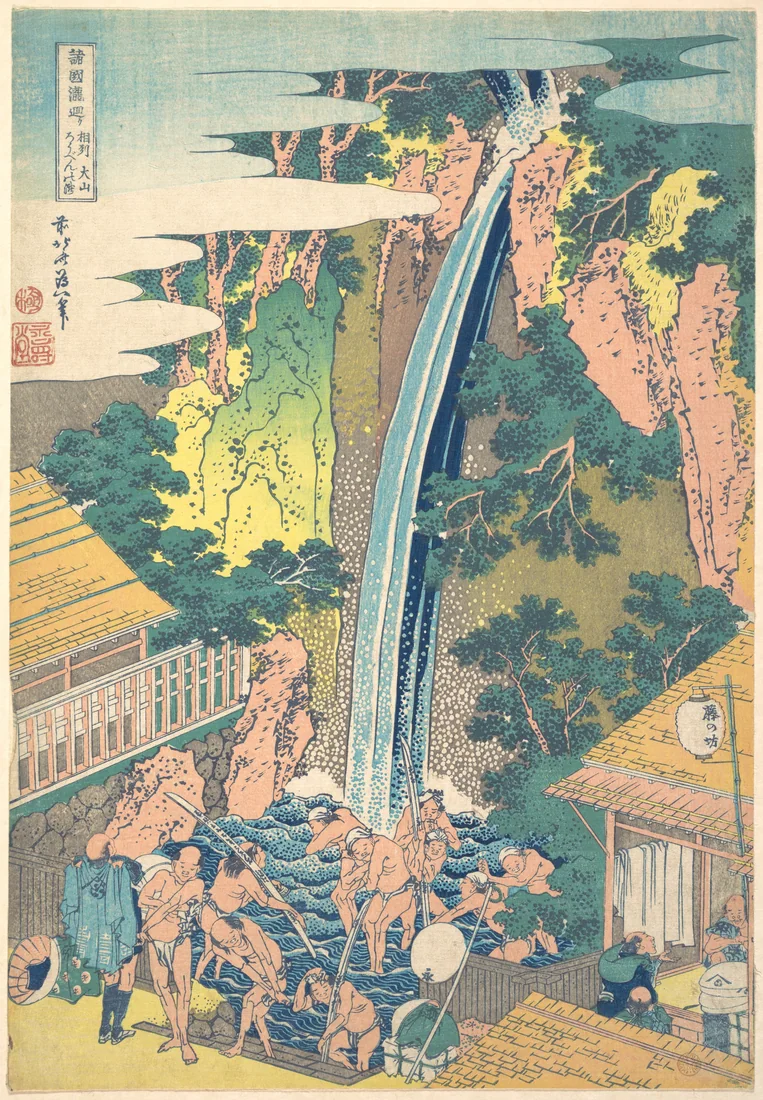 Katsushika Hokusai
Rōben Waterfall at Ōyama in Sagami Province, c. 1827
from 399 kr
-
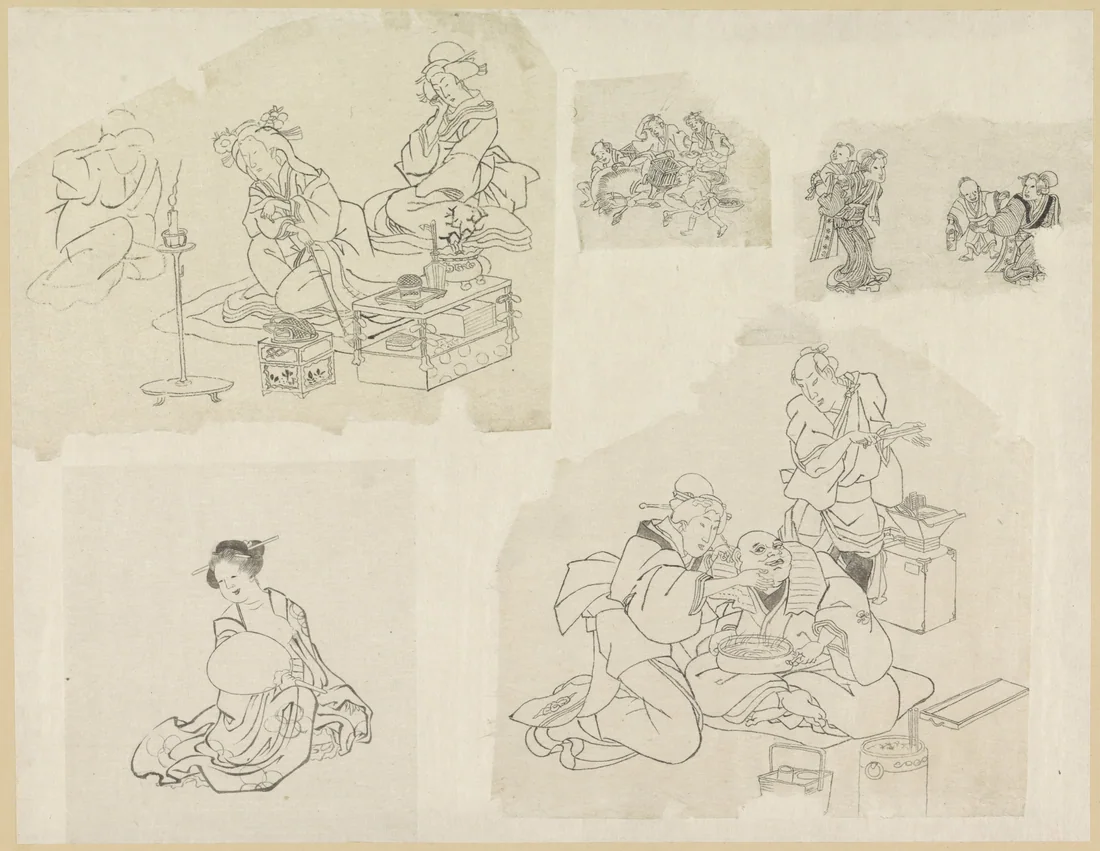 Katsushika Hokusai
Five Depictions of People in Different Situations
from 399 kr
-
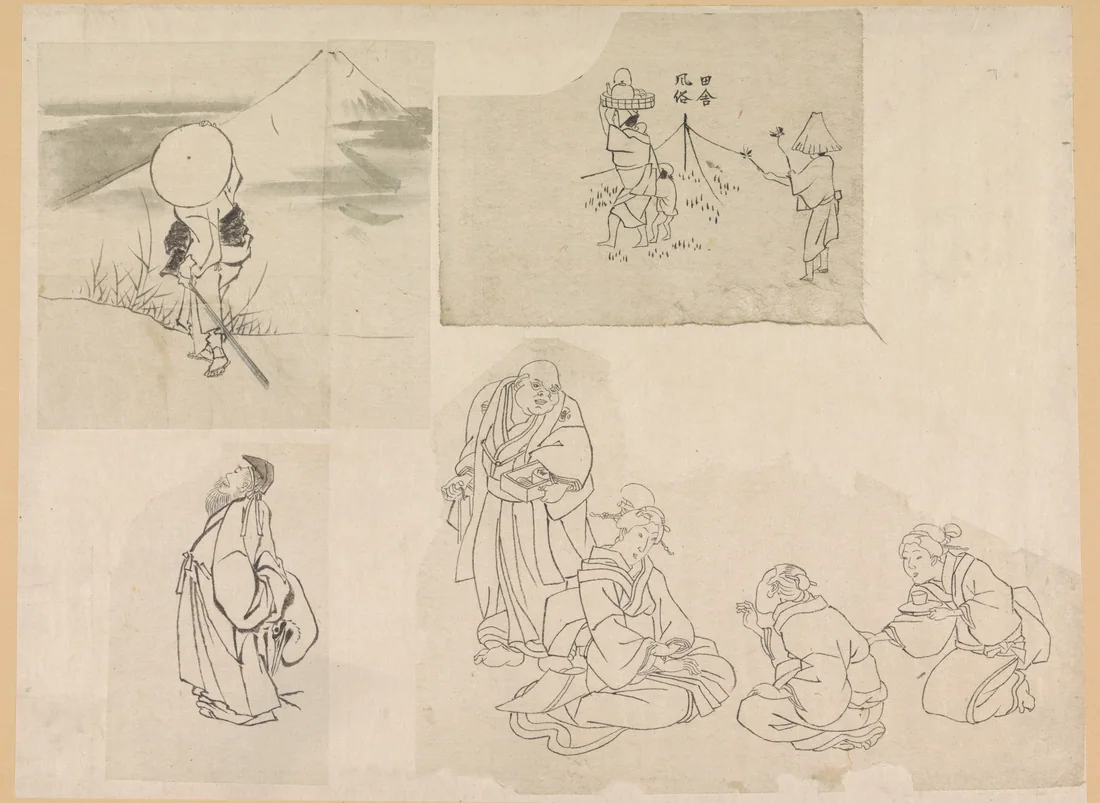 Katsushika Hokusai
Four Scenes with Various Figures
from 399 kr
-
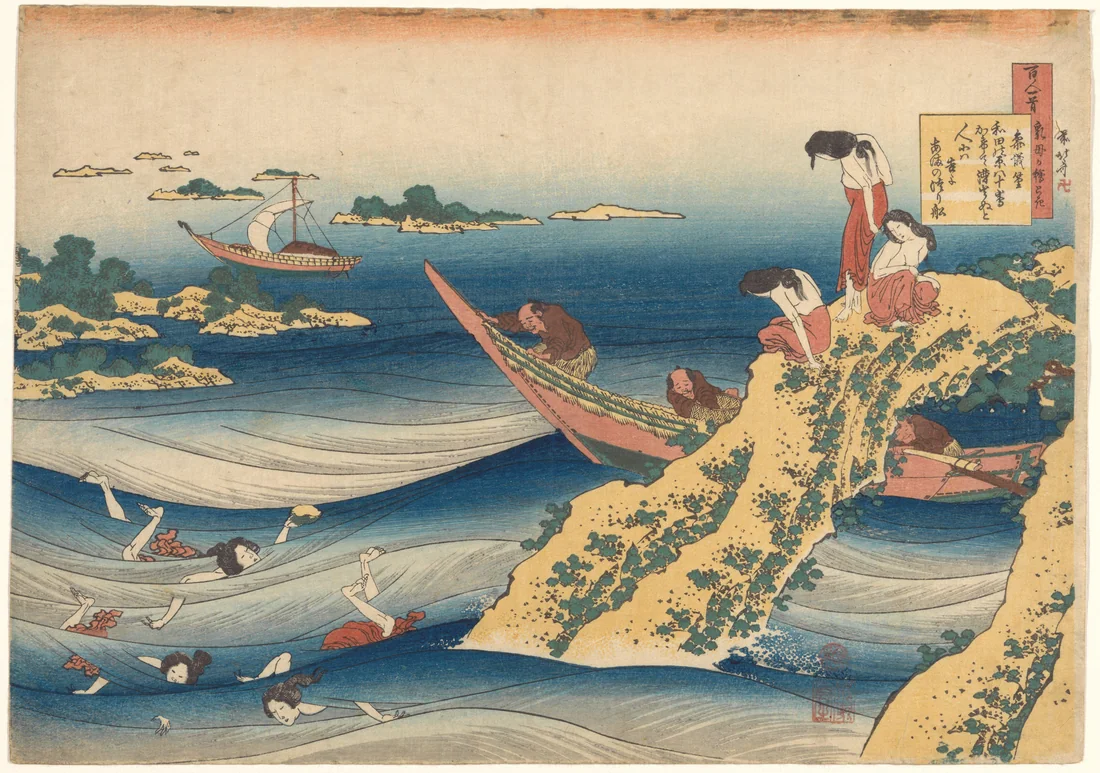 Katsushika Hokusai
Pearl Divers
from 399 kr
-
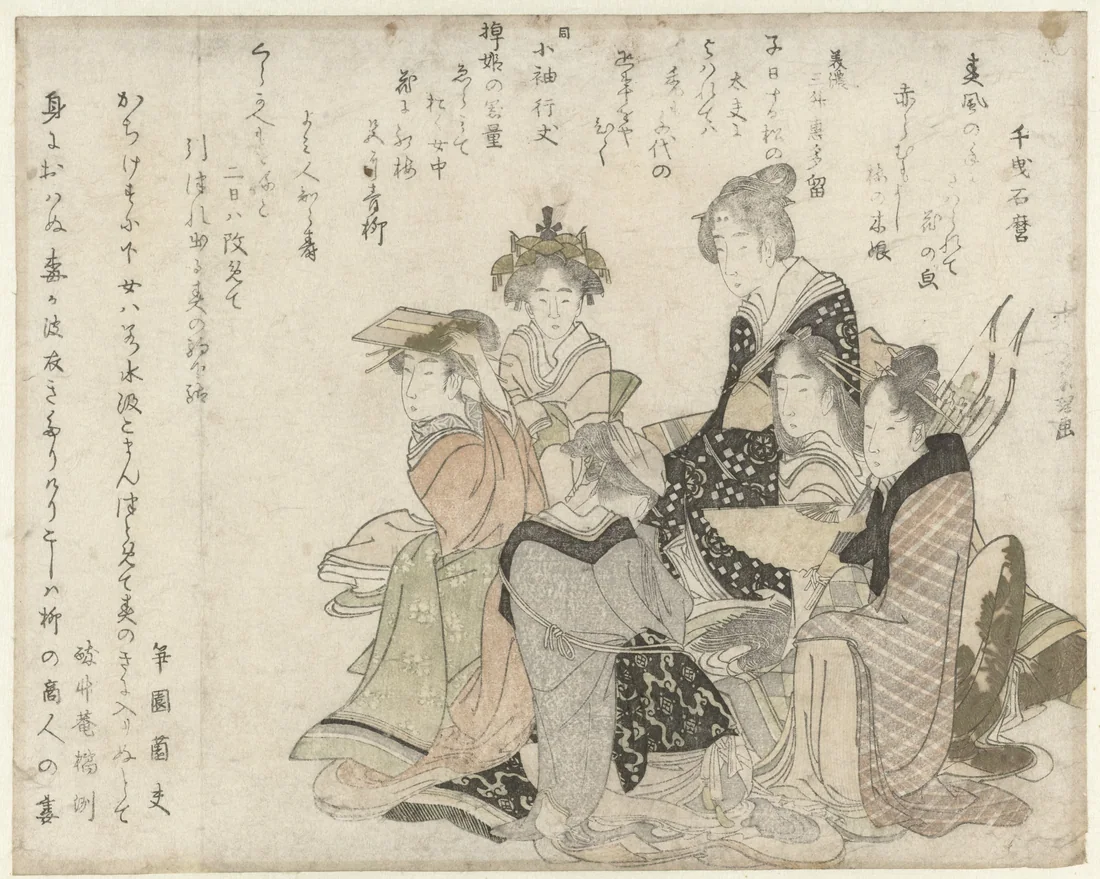 Katsushika Hokusai
Six Women as the Six Classical Poets
from 399 kr
-
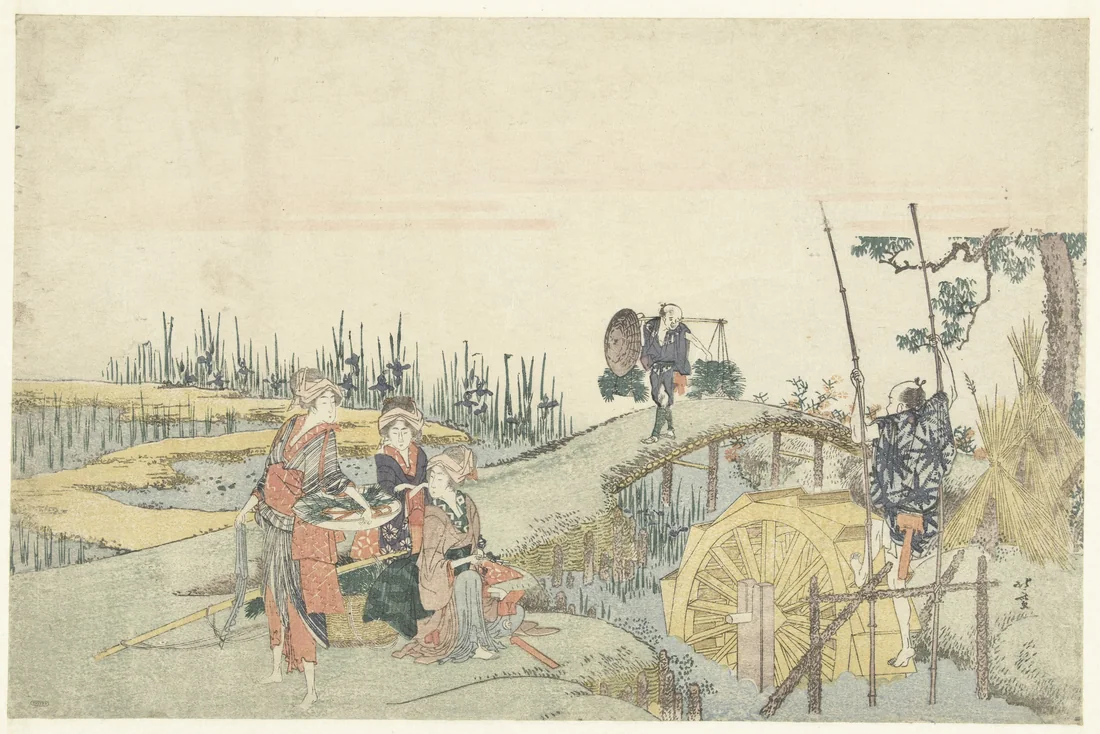 Katsushika Hokusai
Planting Rice
from 399 kr
-
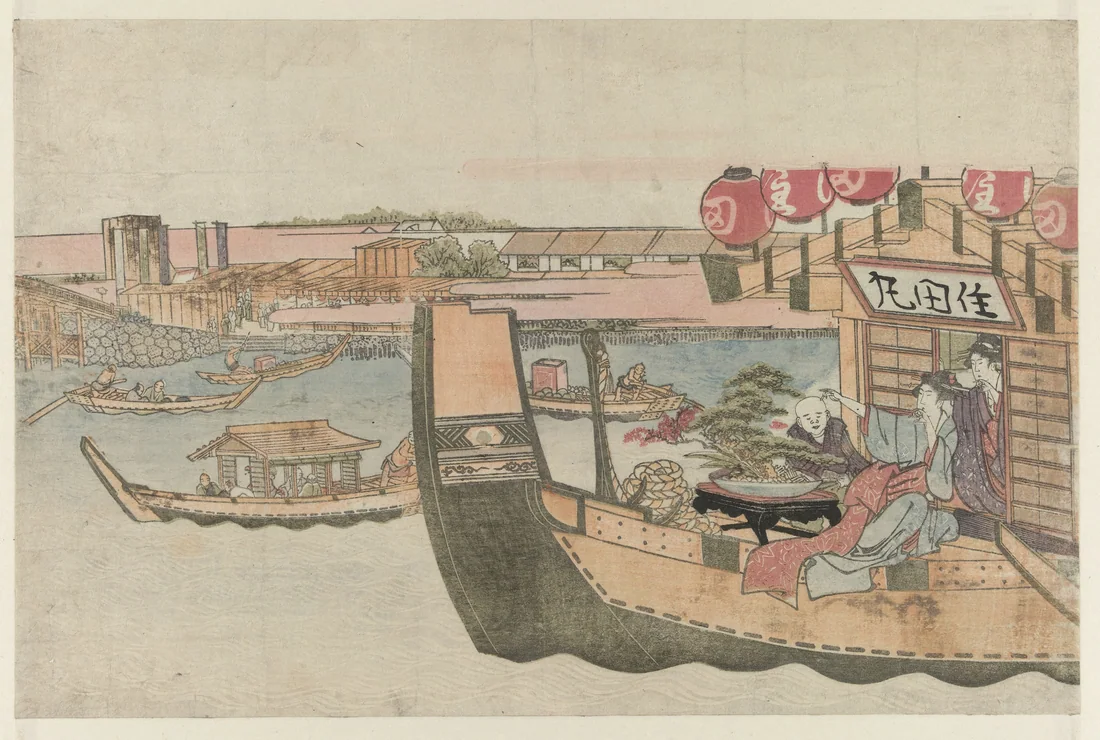 Katsushika Hokusai
Boating on the Sumida River
from 399 kr
-
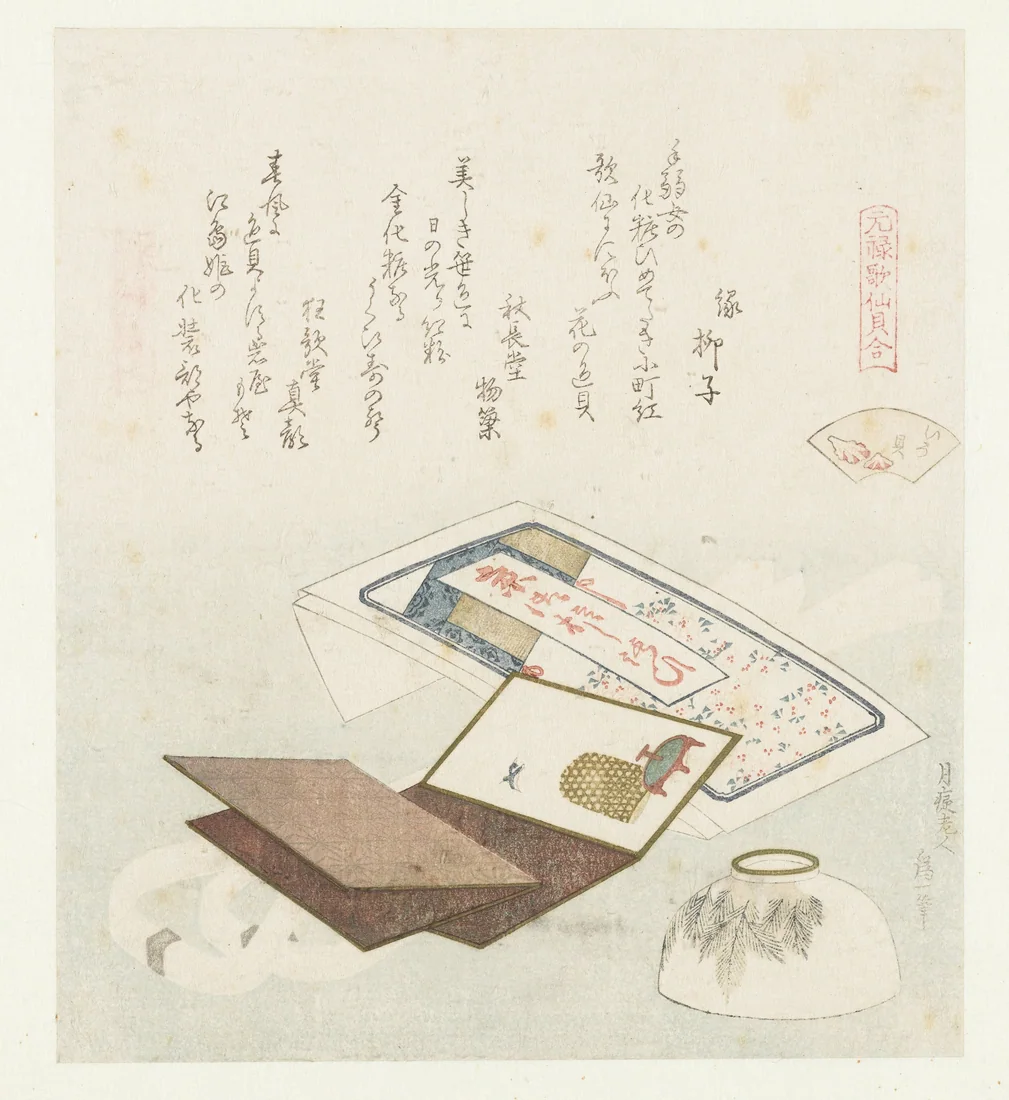 Katsushika Hokusai
A Comparison of Genroku Poems and Shells
from 399 kr
-
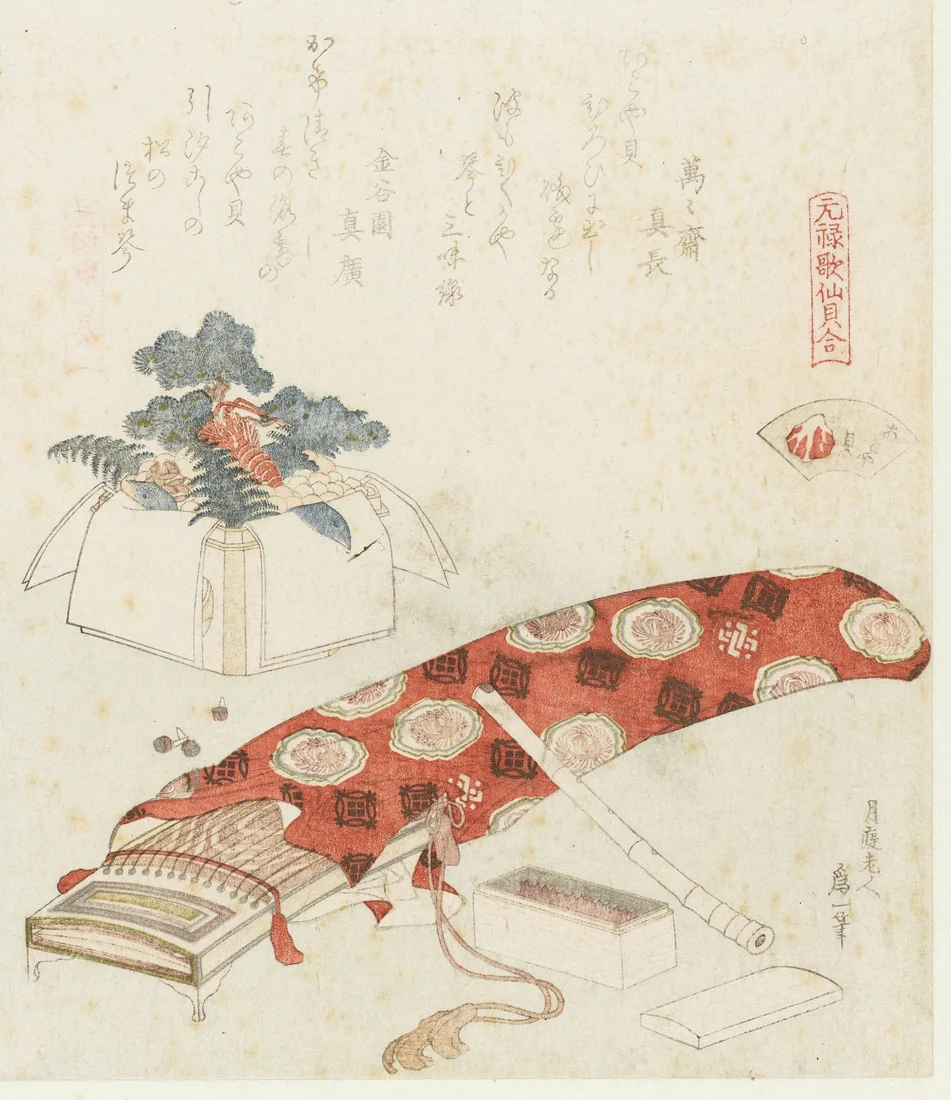 Katsushika Hokusai
Akoyagai
from 399 kr
-
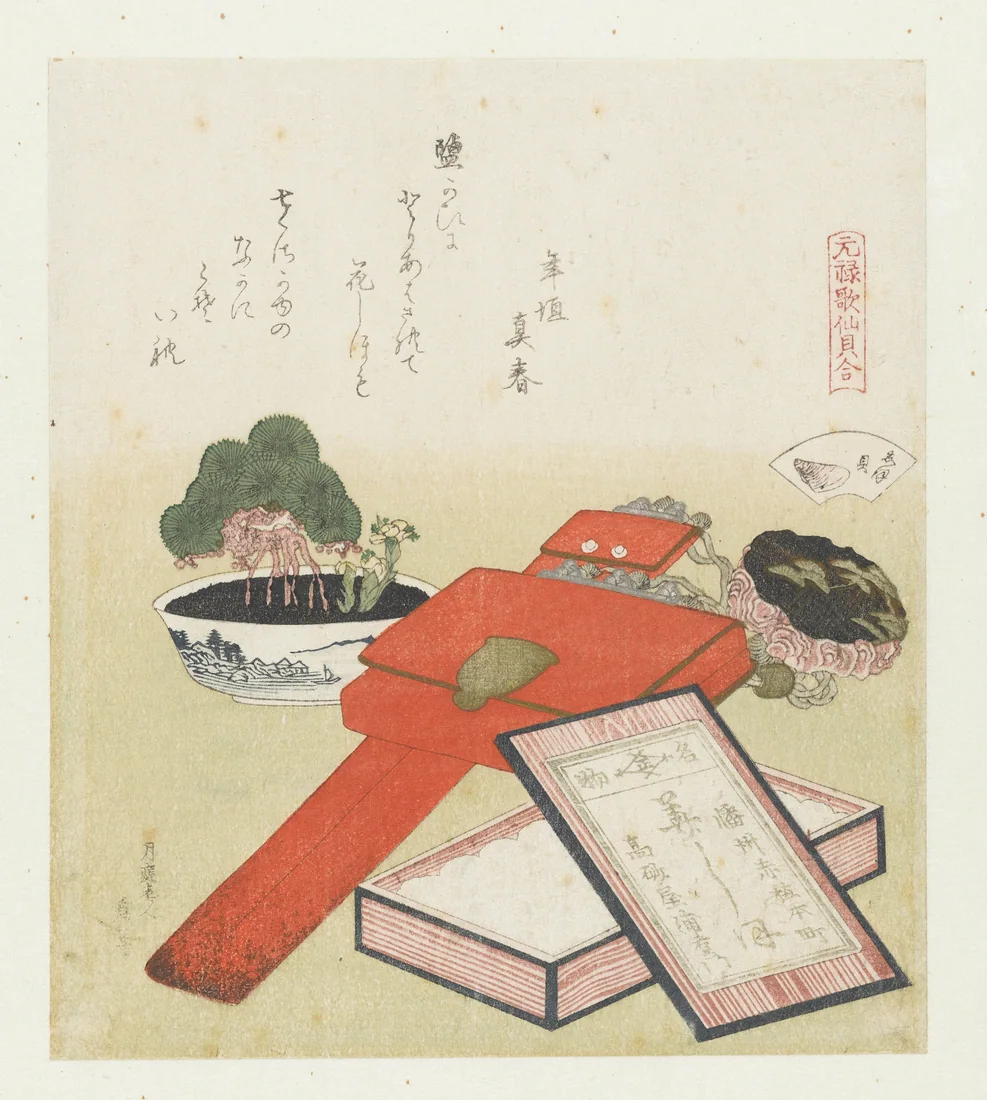 Katsushika Hokusai
Saltwater Shell
from 399 kr
-
 Katsushika Hokusai
Mizogai
from 399 kr
-
 Katsushika Hokusai
Shijimigai
from 399 kr
-
 Katsushika Hokusai
A Series of Horses: Hobby Horse
from 399 kr
-
 Katsushika Hokusai
Umazukushi: Komageta Clogs
from 399 kr
-
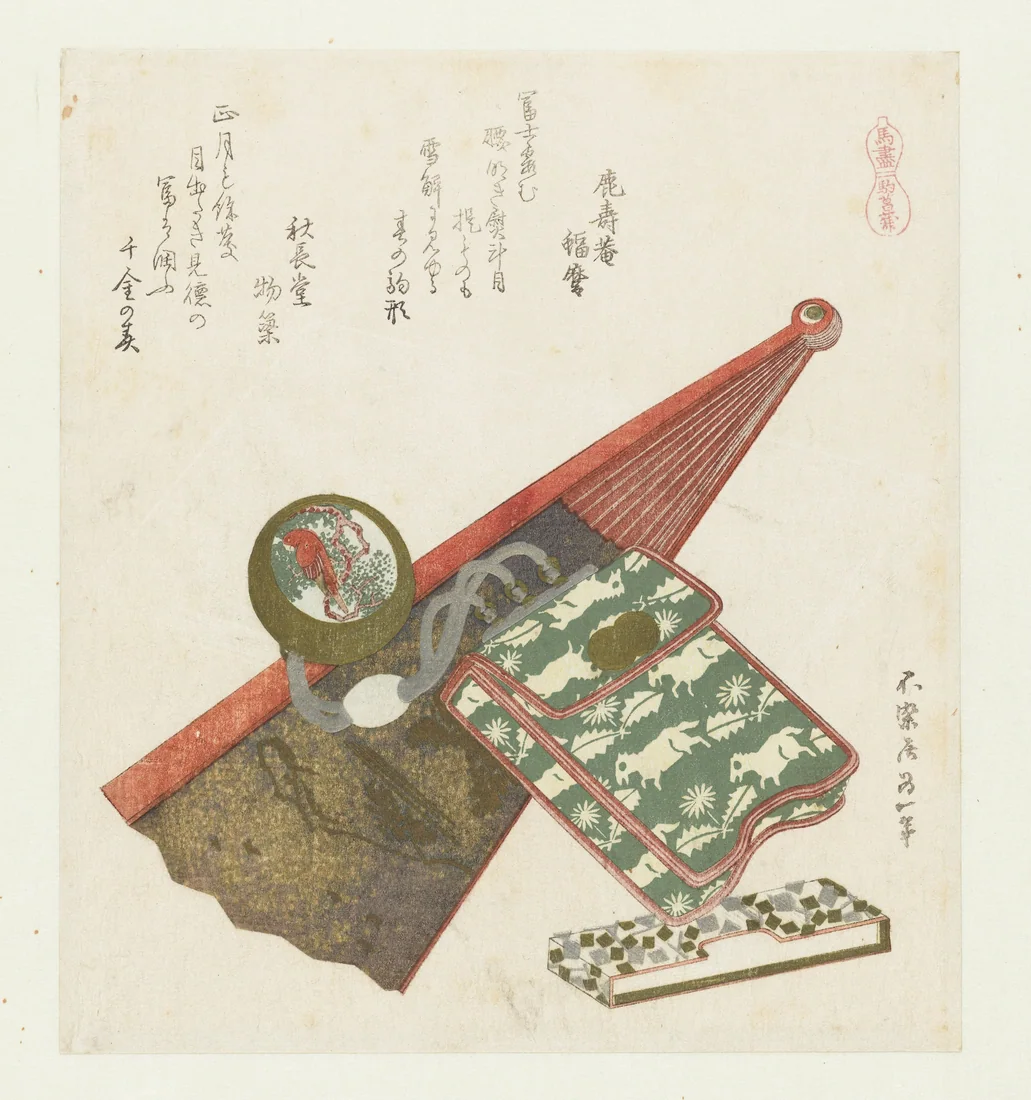 Katsushika Hokusai
A Series of Horses: Horse Iris
from 399 kr
-
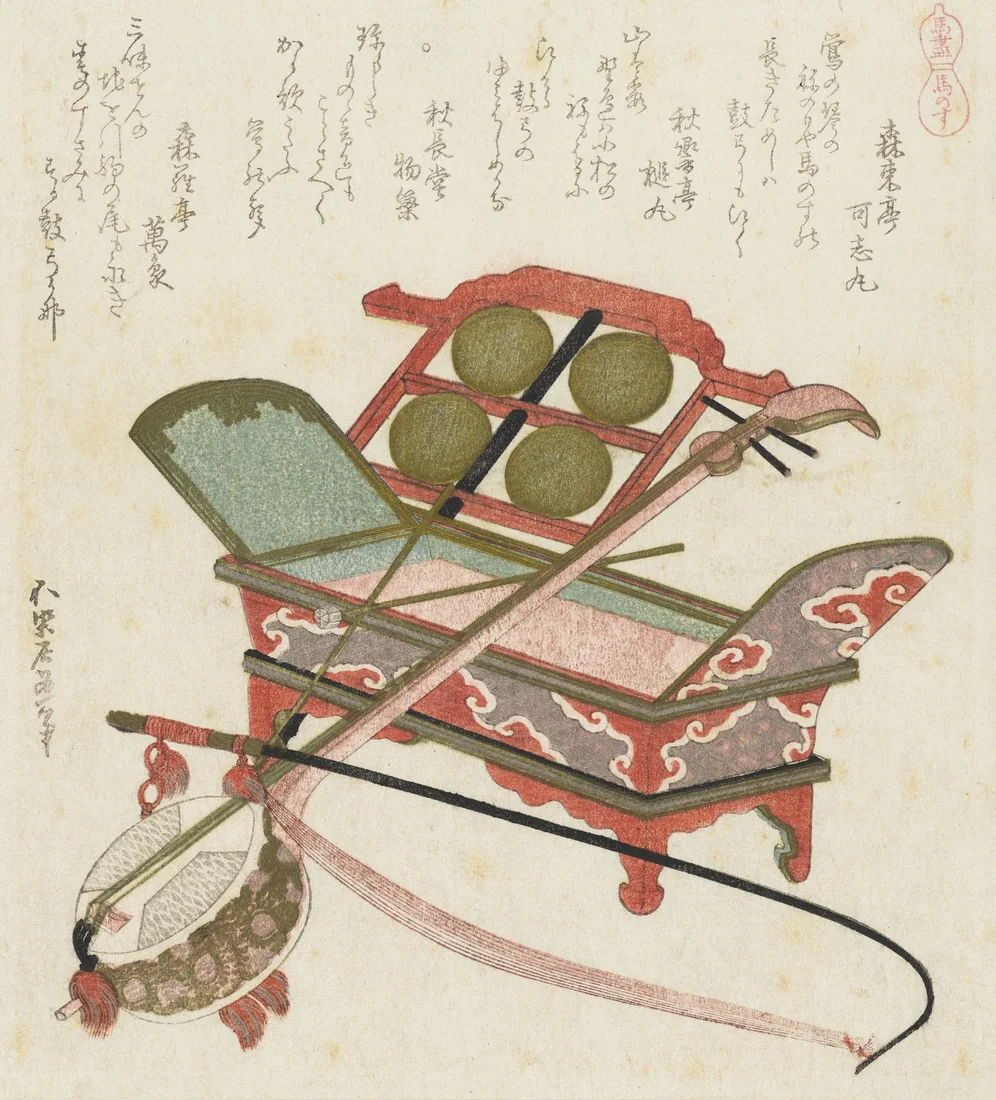 Katsushika Hokusai
A Series of Horses: Horsetail Hair
from 399 kr
-
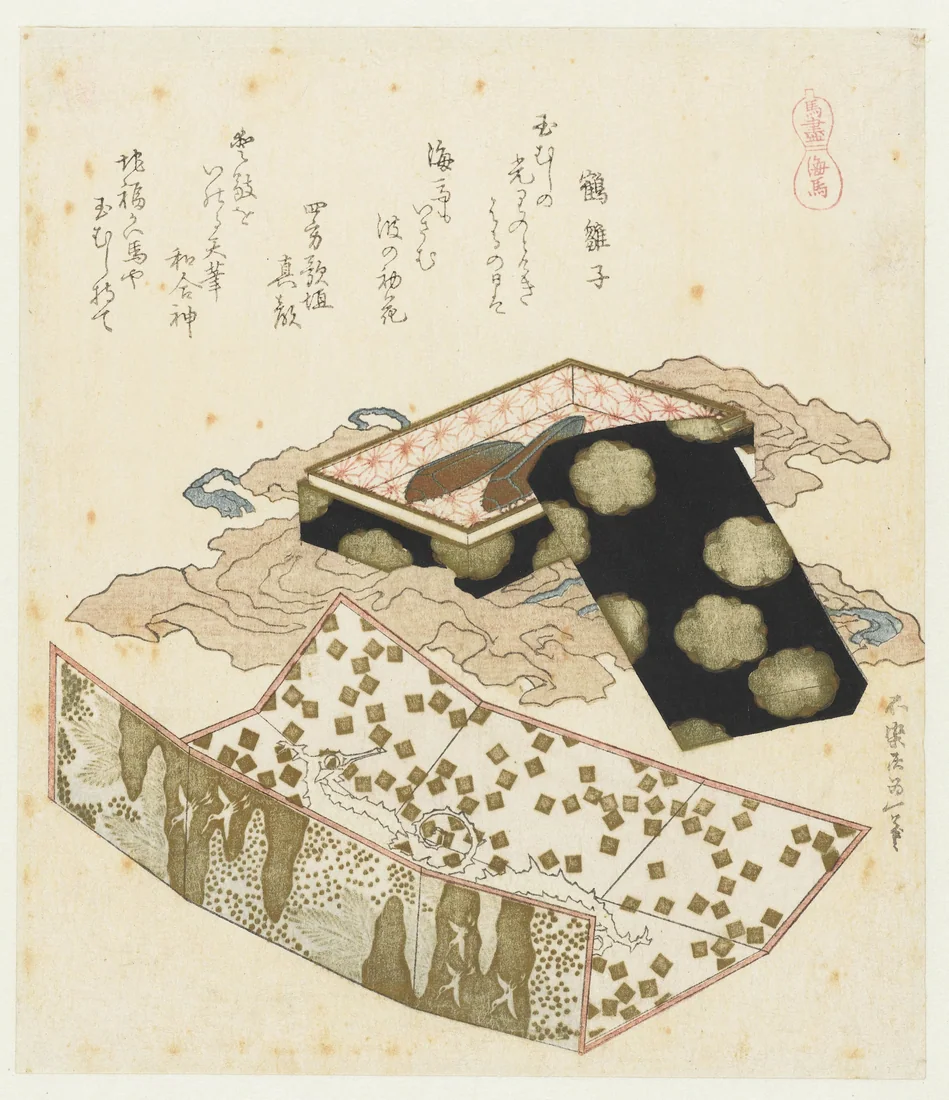 Katsushika Hokusai
Umazukushi: Seahorses
from 399 kr
-
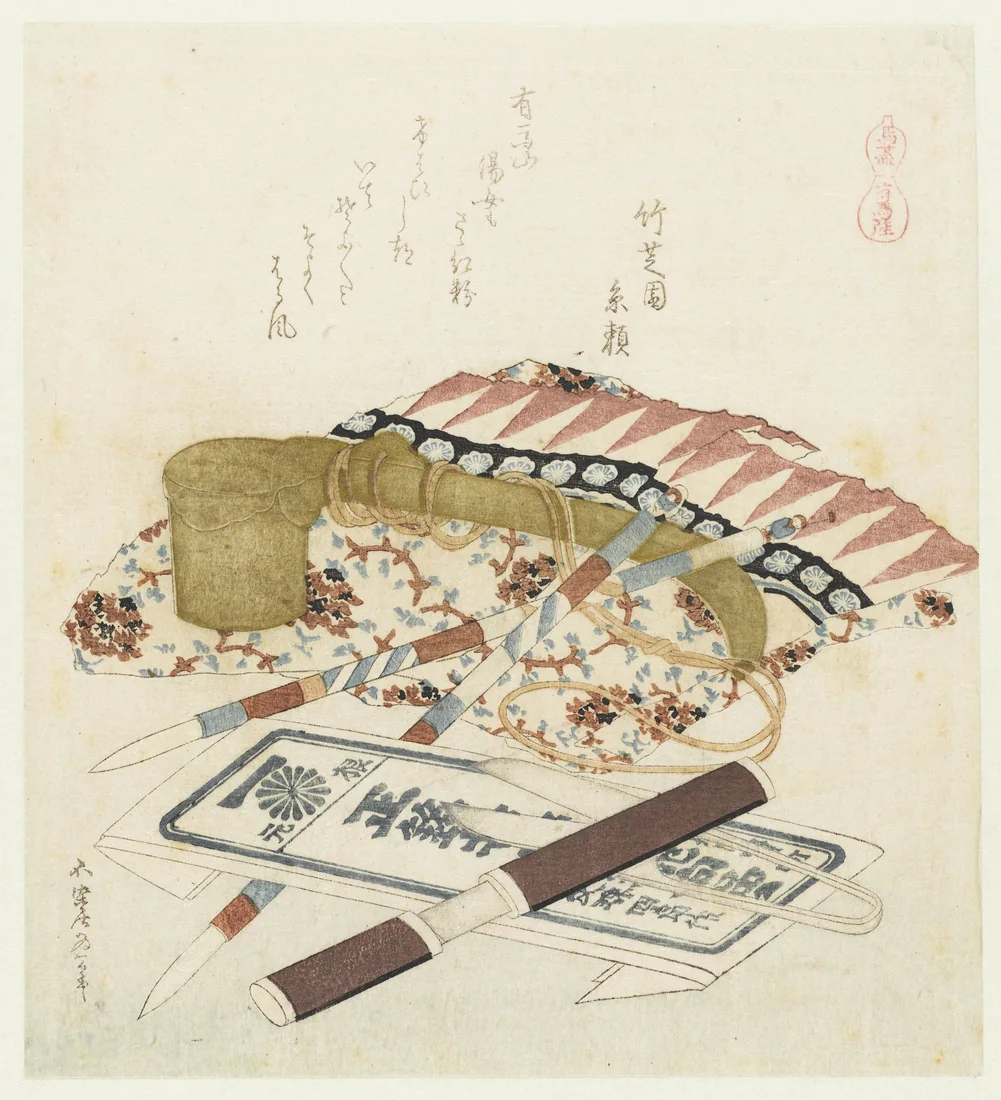 Katsushika Hokusai
Umazukushi: Goods from Arima
from 399 kr
Our forty Hokusai prints are made mostly from woodblock prints in the Cleveland Museum of Art and the Rijksmuseum. One scan comes from the Metropolitan Museum of Art and one from Wikimedia Commons. Several of the prints come from Thirty-six Views of Mount Fuji, his most successful landscape series, from the early 1830s, among them South Wind, Clear Sky, often called Red Fuji, and The Weir at Senju in Musashi Province.
He made other landscape series in the same years. From Remarkable Views of Bridges in Various Provinces we have The Brocade Bridge in Suo Province, Boat Bridge at Sano in Kozuke Province and Eight-Part Bridge in Mikawa Province. From A Tour of the Waterfalls of the Provinces we have Ono Waterfall on the Kiso Road and Rōben Waterfall at Ōyama in Sagami Province.
From One Hundred Poems Explained by the Nurse (1835–36) we have six illustrated poems, among them Pearl Divers.
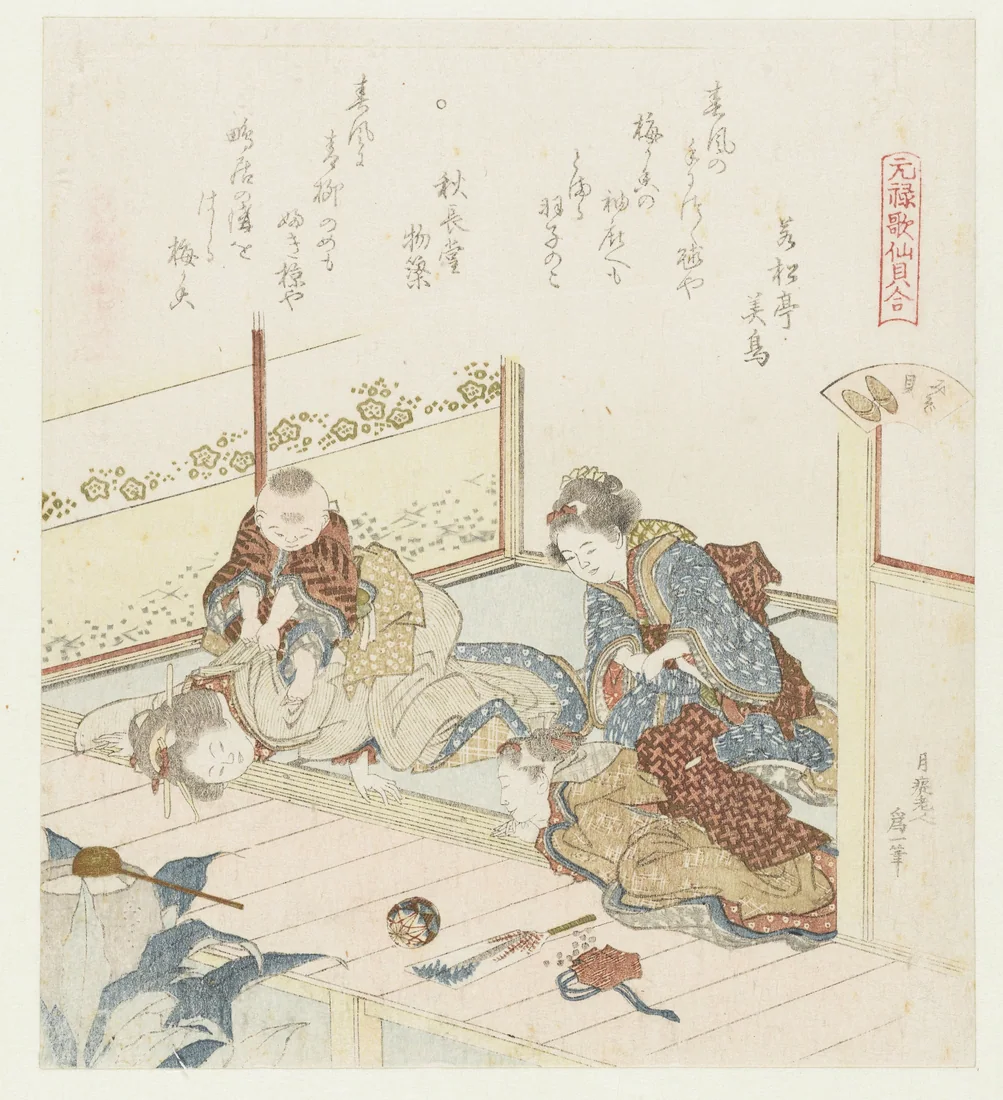
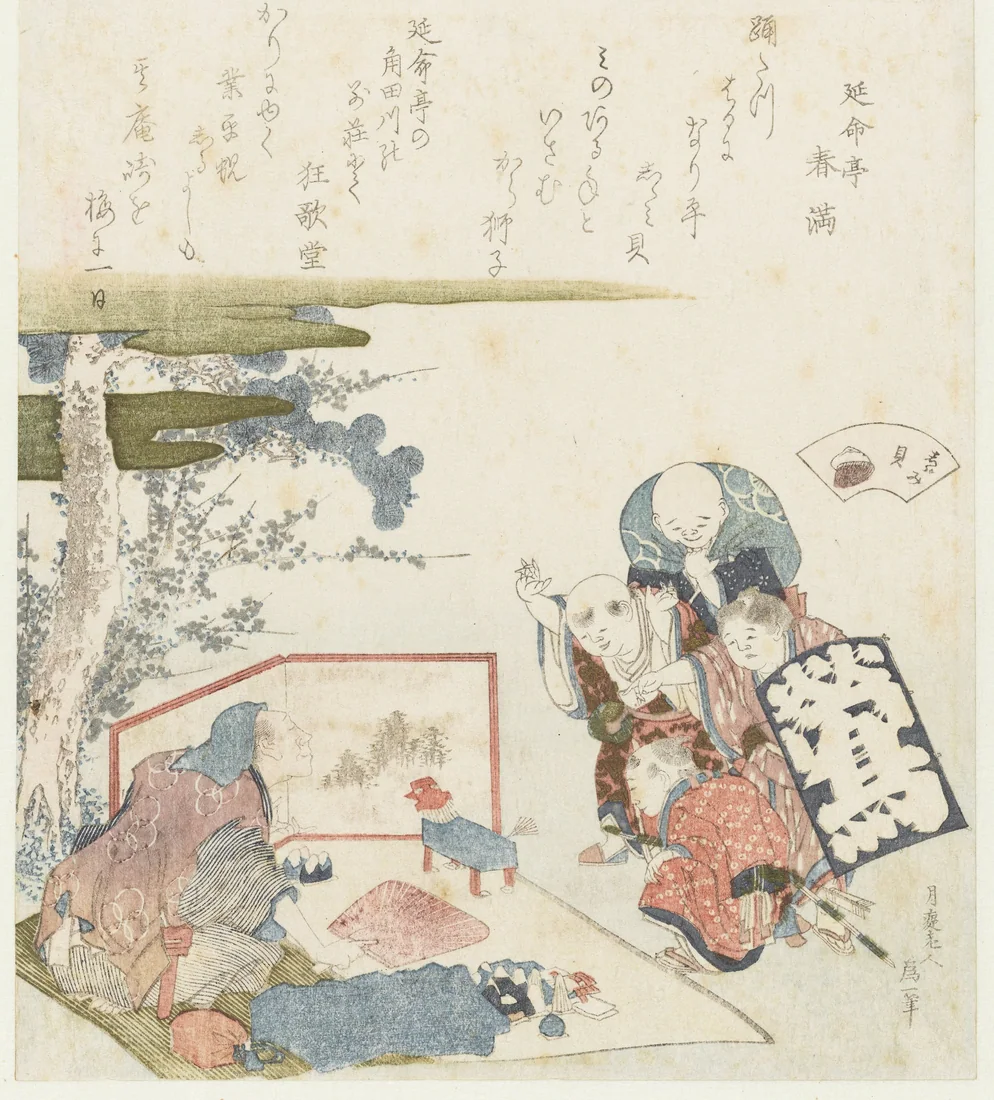
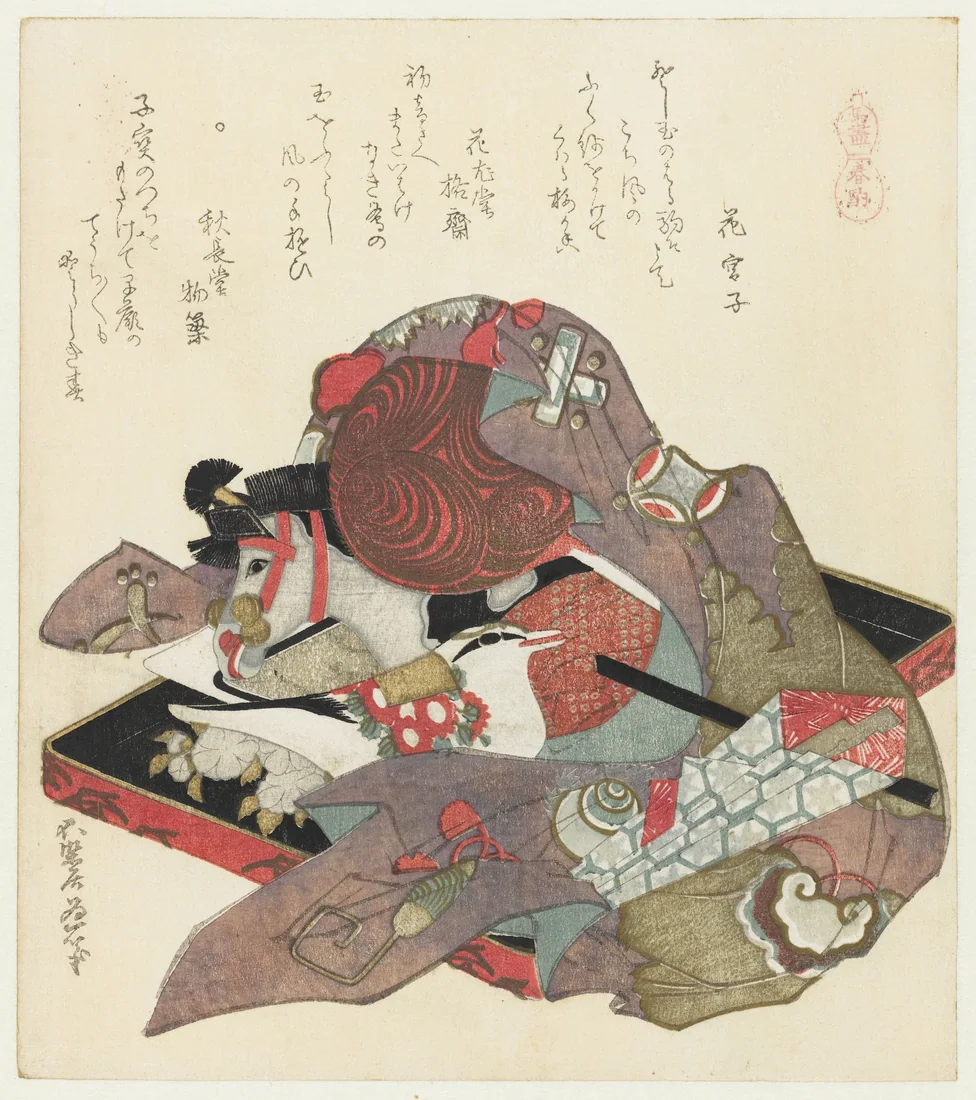
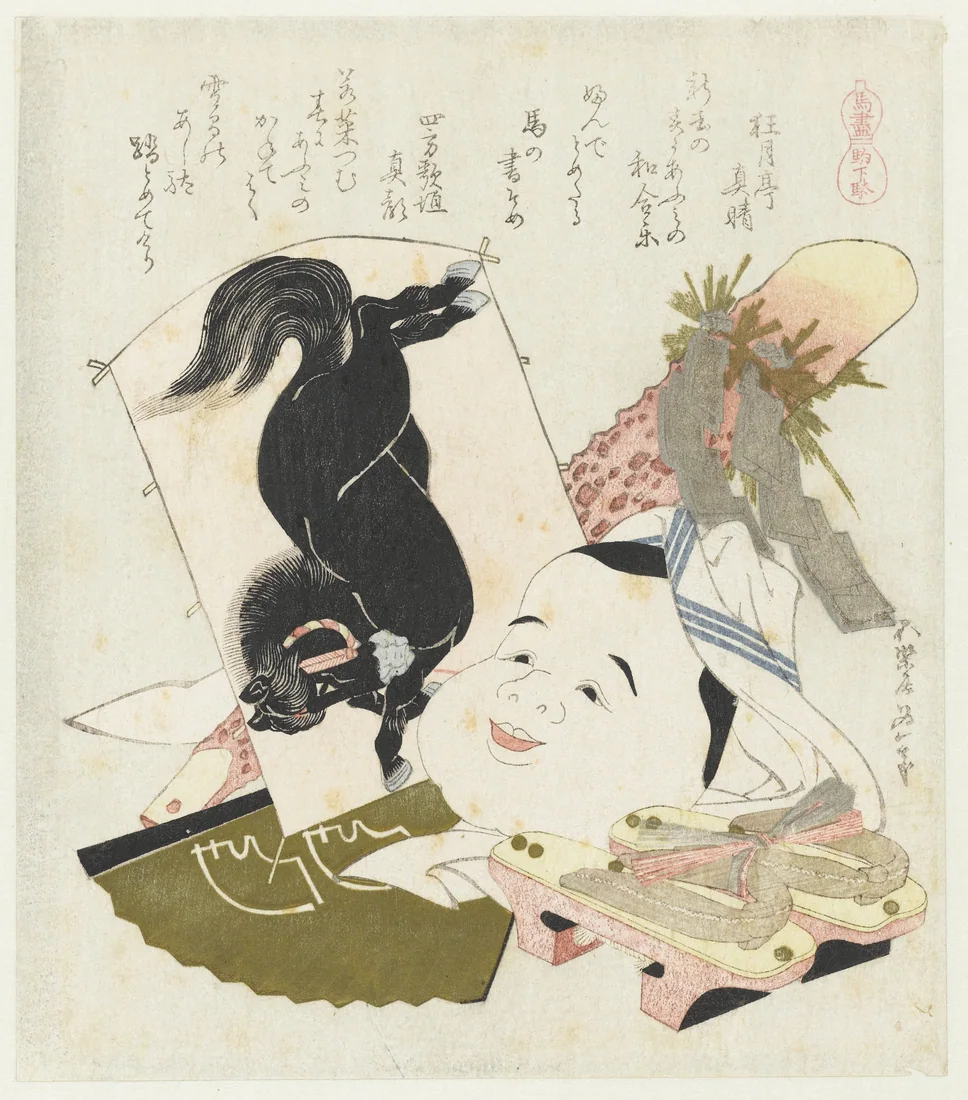
Eleven of the Rijksmuseum prints are smaller and more private. They are surimono, prints commissioned for poetry circles, from his series of shells (1821) and of horses (1822). They are nearly square and can also be ordered at 50×50 cm. To see how Hokusai's work compares with Hiroshige's, read ukiyo-e: Hiroshige and Hokusai.
Every print is made from a high-resolution museum scan of the original and printed on 200 g matte fine art paper. The work is scaled to fit the sheet, never cropped. Each print page shows the sizes the scan supports, from 30×40 cm and up.
Questions
Do you have The Great Wave?
No, The Great Wave off Kanagawa is not in our collection. From the same series, Thirty-six Views of Mount Fuji, we have South Wind, Clear Sky (Red Fuji) and other views of the mountain.
What is a surimono?
A surimono is a woodblock print commissioned privately, often by a poetry circle or as a New Year greeting, and printed with particular care on fine paper, sometimes with metallic pigments and embossing.