Hiroshige prints
82 prints
Utagawa Hiroshige (1797–1858) was one of the last great masters of the Japanese woodblock print. His final series, One Hundred Famous Views of Edo, shows the city that became Tokyo through its seasons: rain on a bridge, fireworks over the river, maples in autumn. Its bold cropping and flat colour later inspired Van Gogh, Monet and Whistler.
-
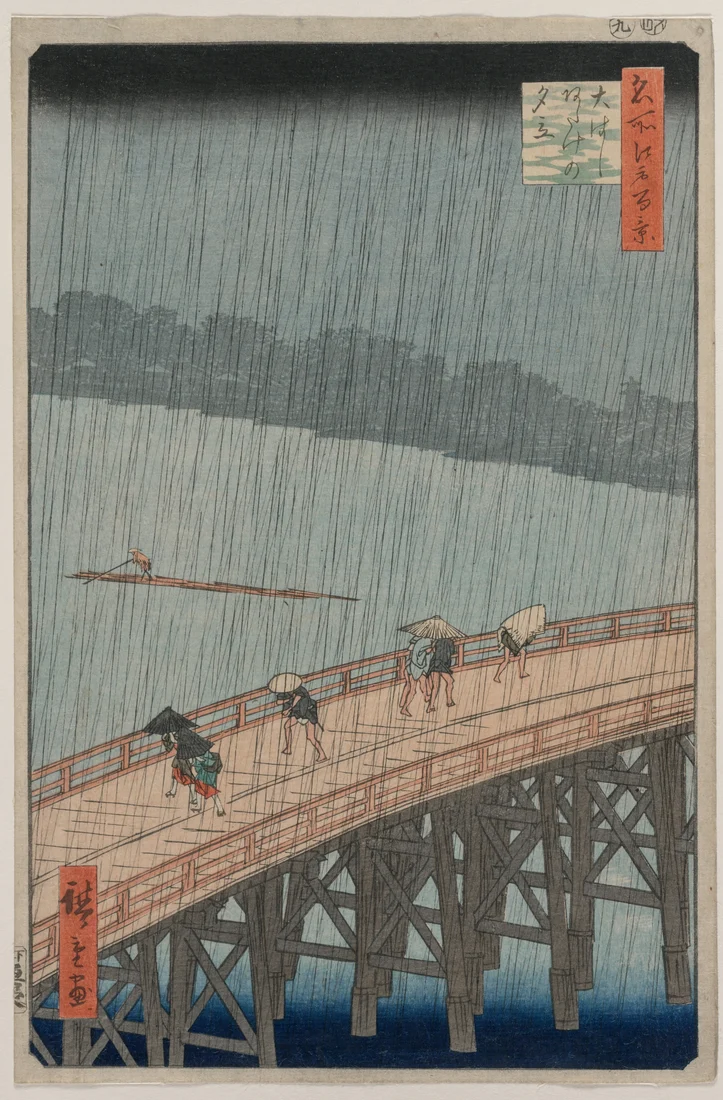 Utagawa Hiroshige
Sudden Shower over Shin-Ohashi Bridge and Atake, 1857
from 399 kr
-
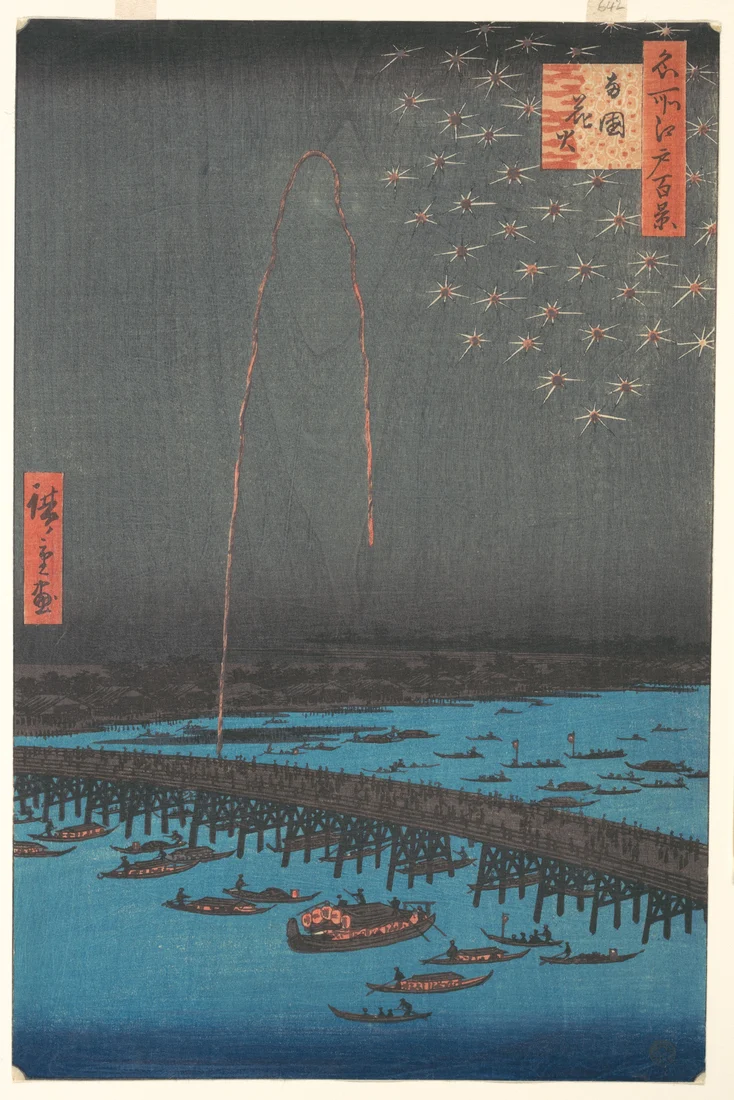 Utagawa Hiroshige
Fireworks at Ryogoku Bridge, 1858
from 399 kr
-
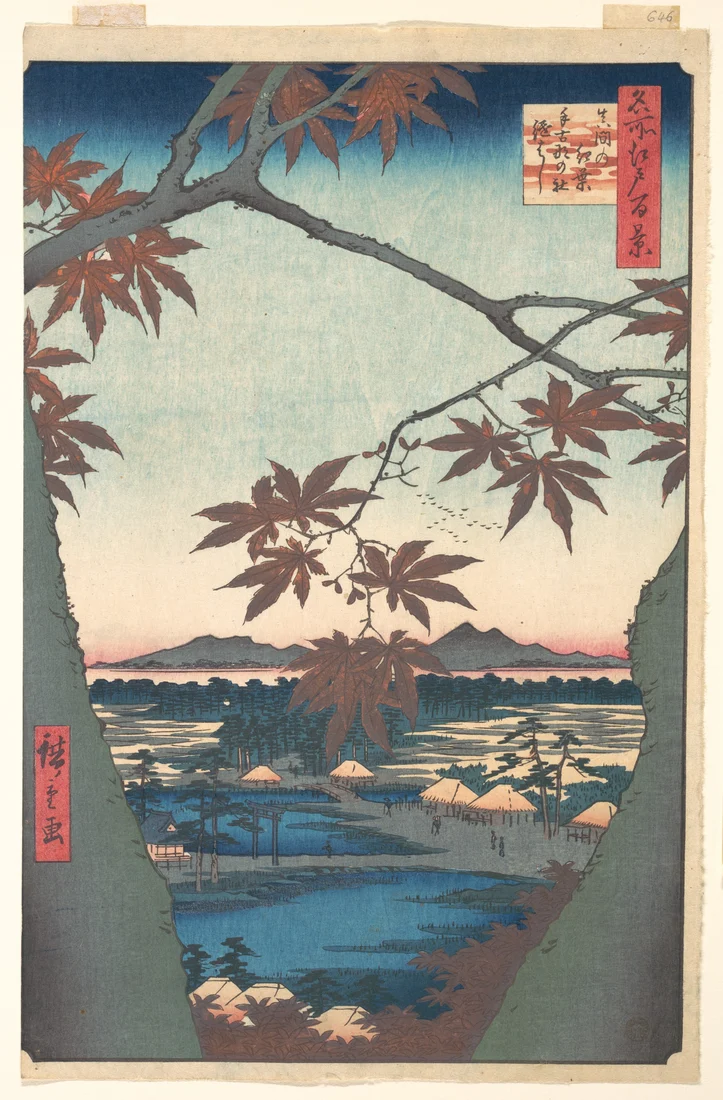 Utagawa Hiroshige
Maples at Mama, ca. 1857
from 399 kr
-
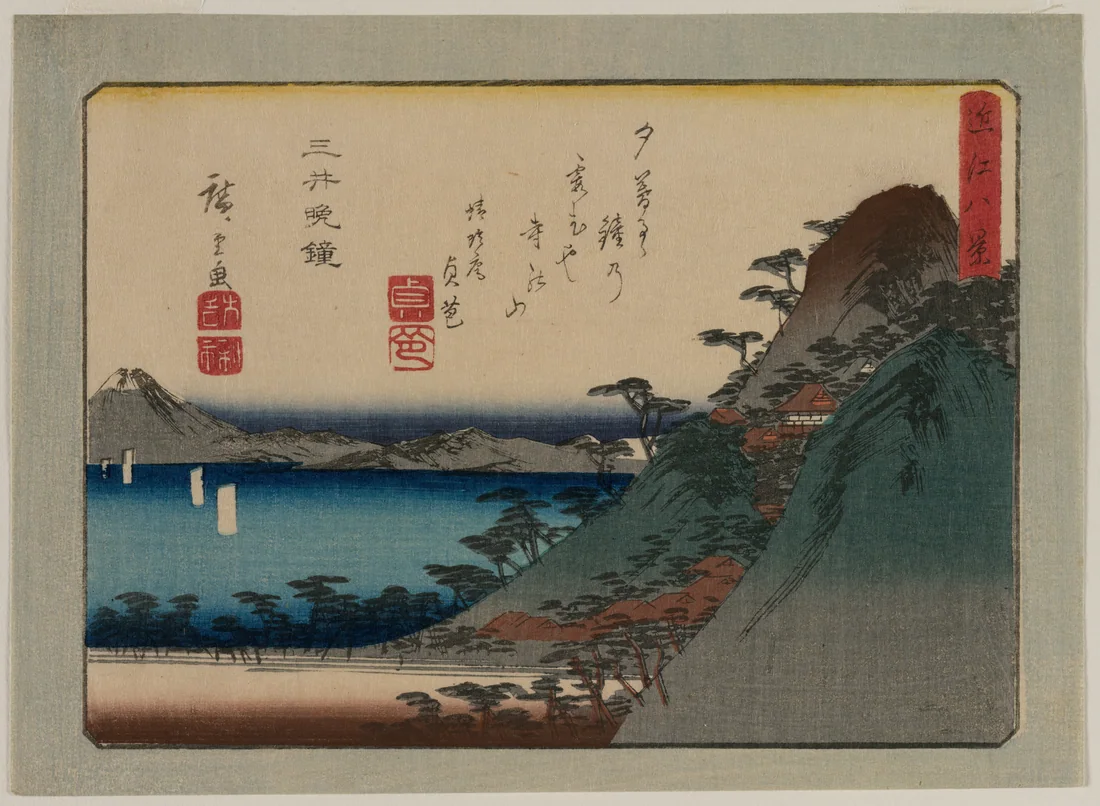 Utagawa Hiroshige
Evening Bell at Mii Temple, late 1830s or early 1840s
from 399 kr
-
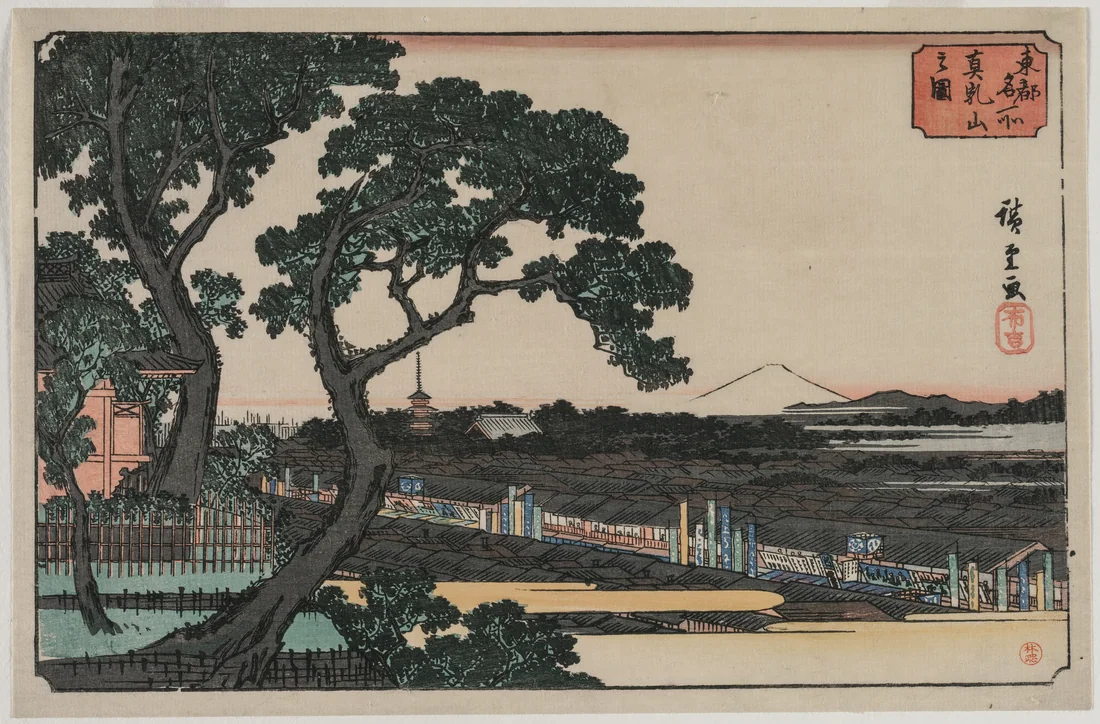 Utagawa Hiroshige
Matsuchiyama, late 1830s or early 1840s
from 399 kr
-
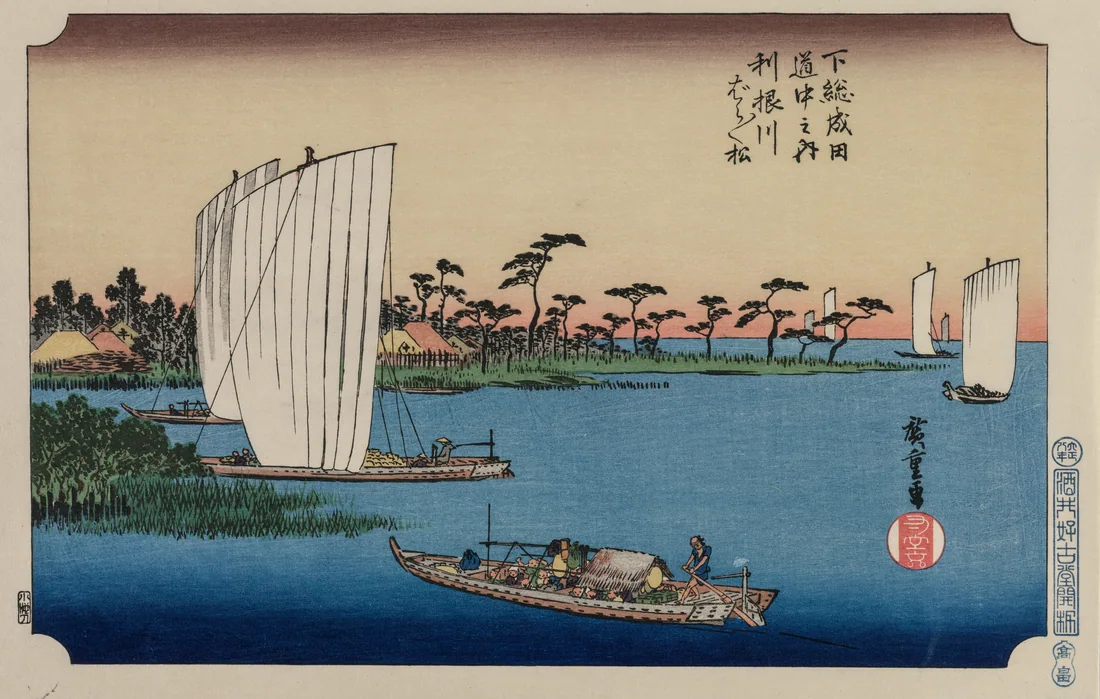 Utagawa Hiroshige
Scattered Pine Trees by the Tone River, 1919
from 399 kr
-
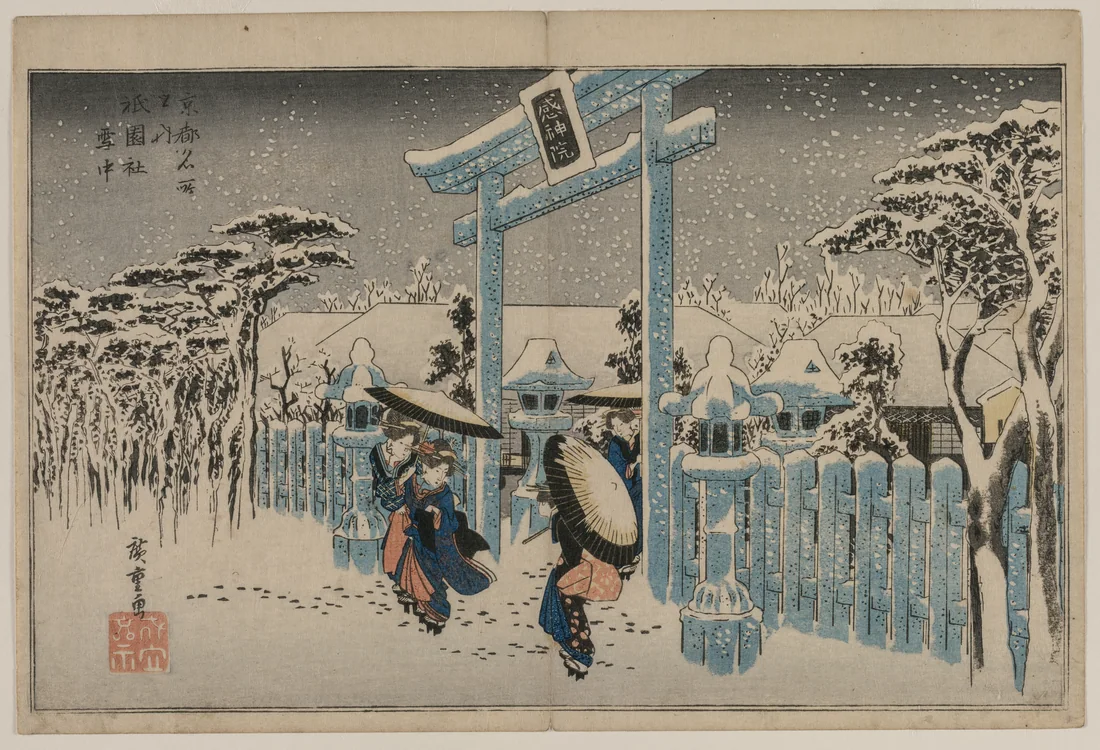 Utagawa Hiroshige
Snow at the Gion Shrine, mid-1830s
from 399 kr
-
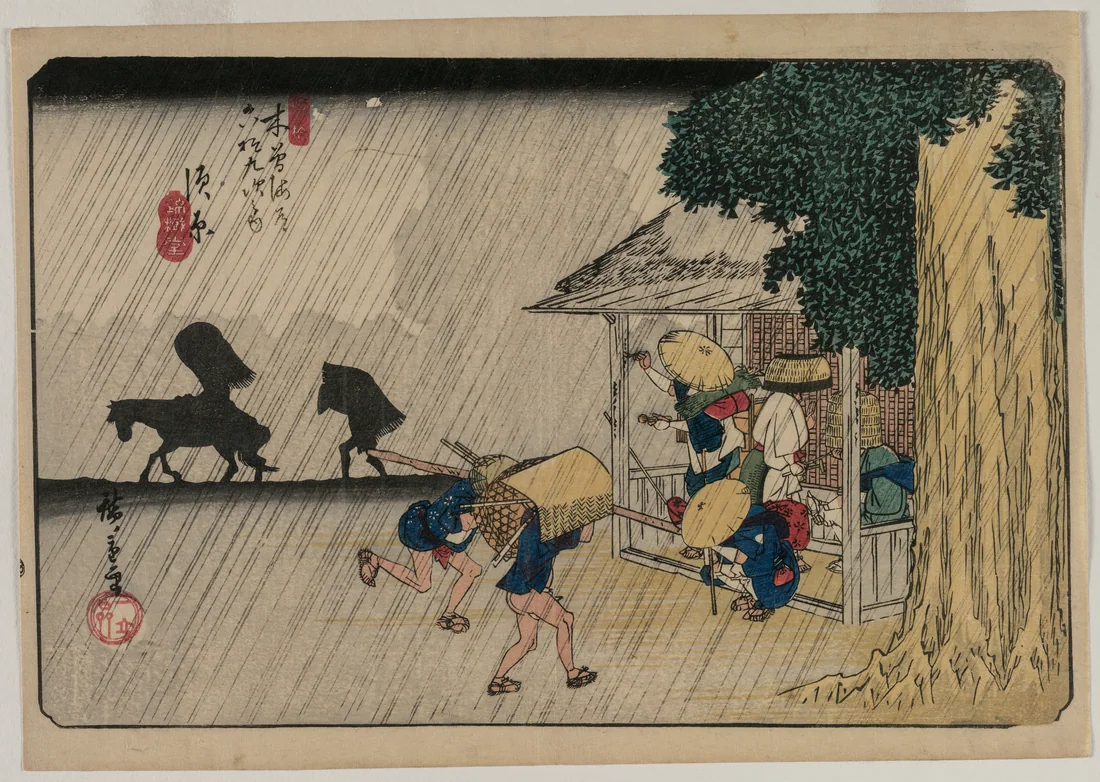 Utagawa Hiroshige
Suhara (from the series Sixty-Nine Stations of the Kisokaido), 1835 or 1836
from 399 kr
-
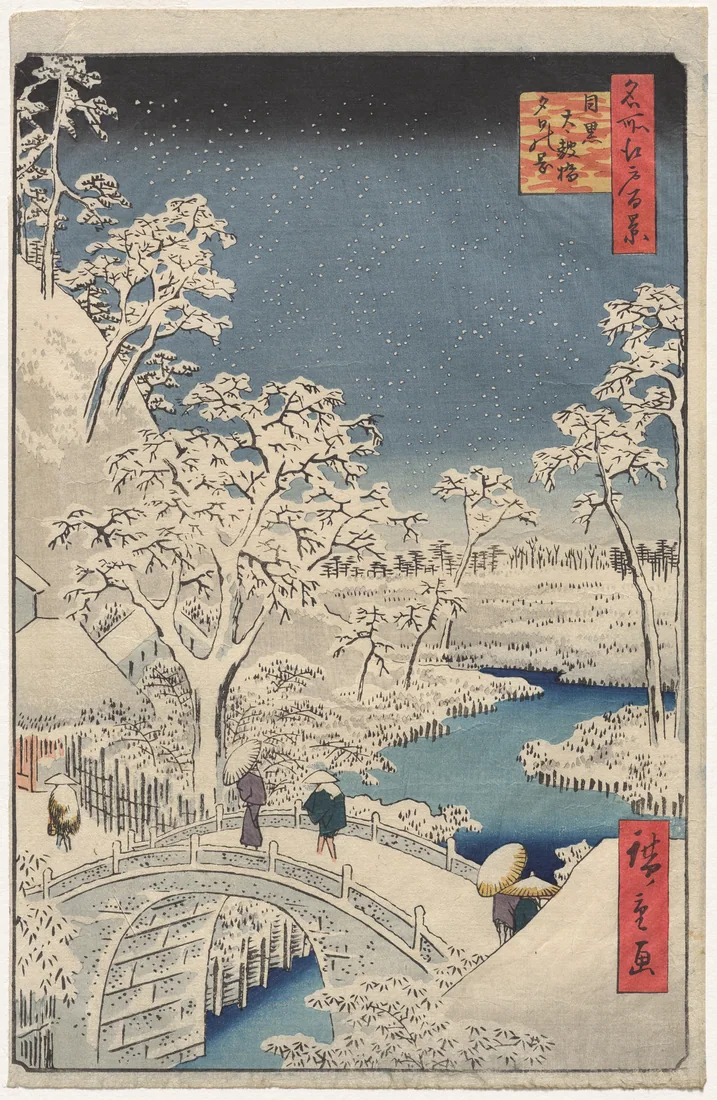 Utagawa Hiroshige
Meguro Drum Bridge and Sunset Hill, 1857
from 399 kr
-
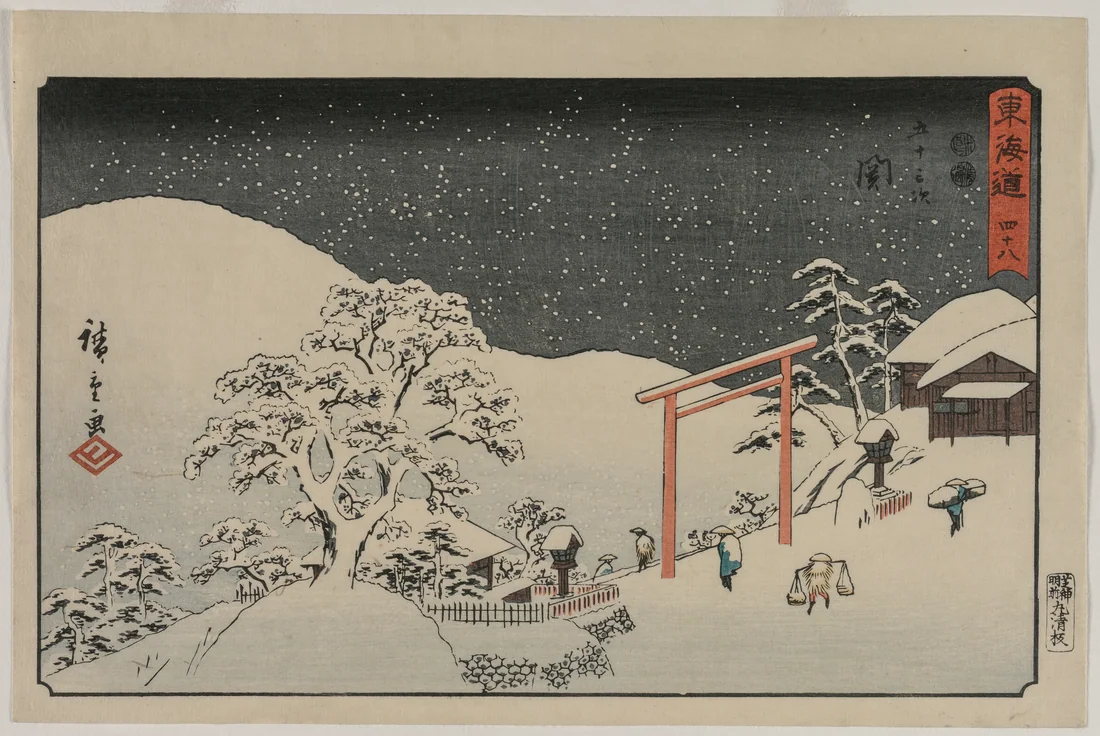 Utagawa Hiroshige
Seki (from the series The Fifty-Three Stations of the Tōkaidō), c. 1848–49
from 399 kr
-
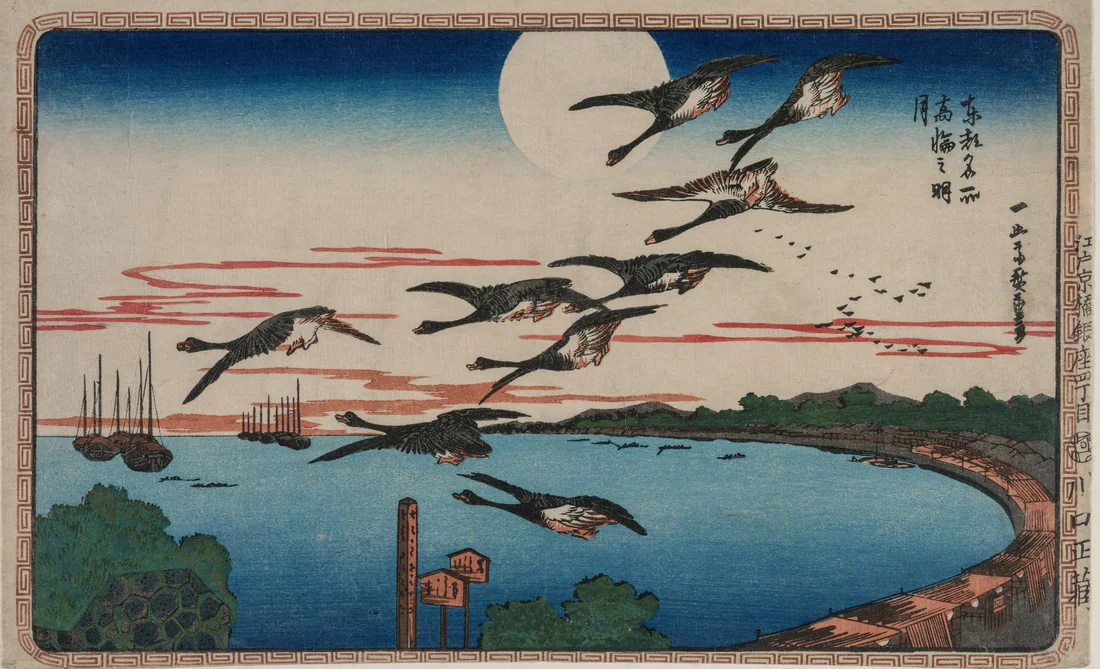 Utagawa Hiroshige
Full Moon over Takanawa, c. 1831
from 399 kr
-
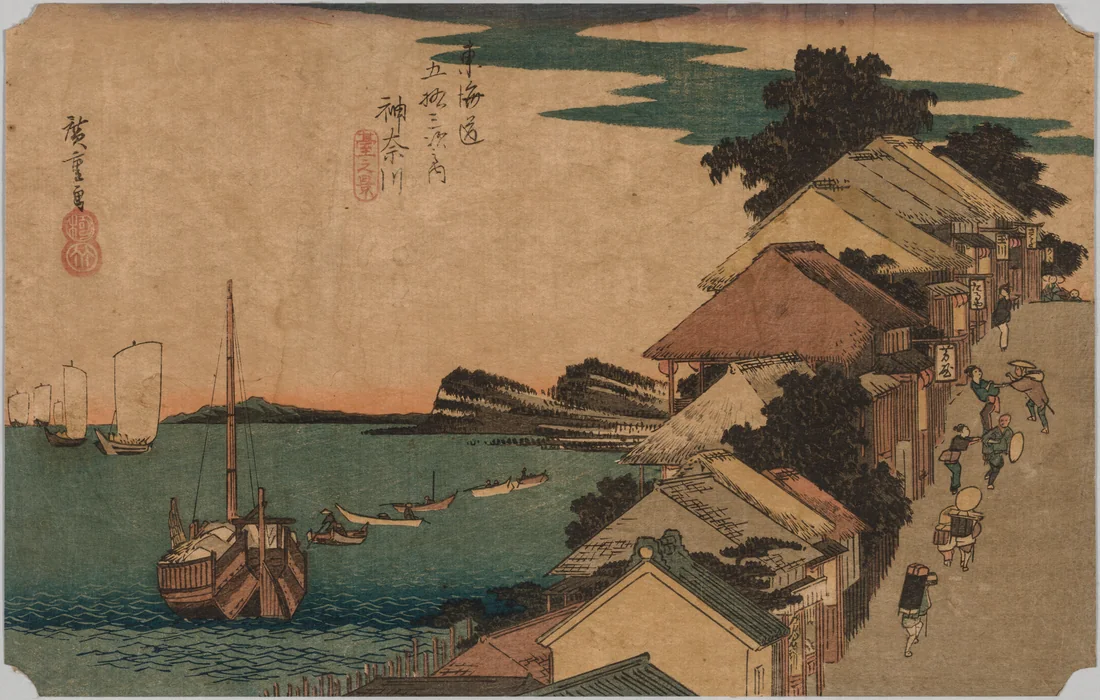 Utagawa Hiroshige
Kanagawa, Inland Sea: Top of the Street
from 399 kr
-
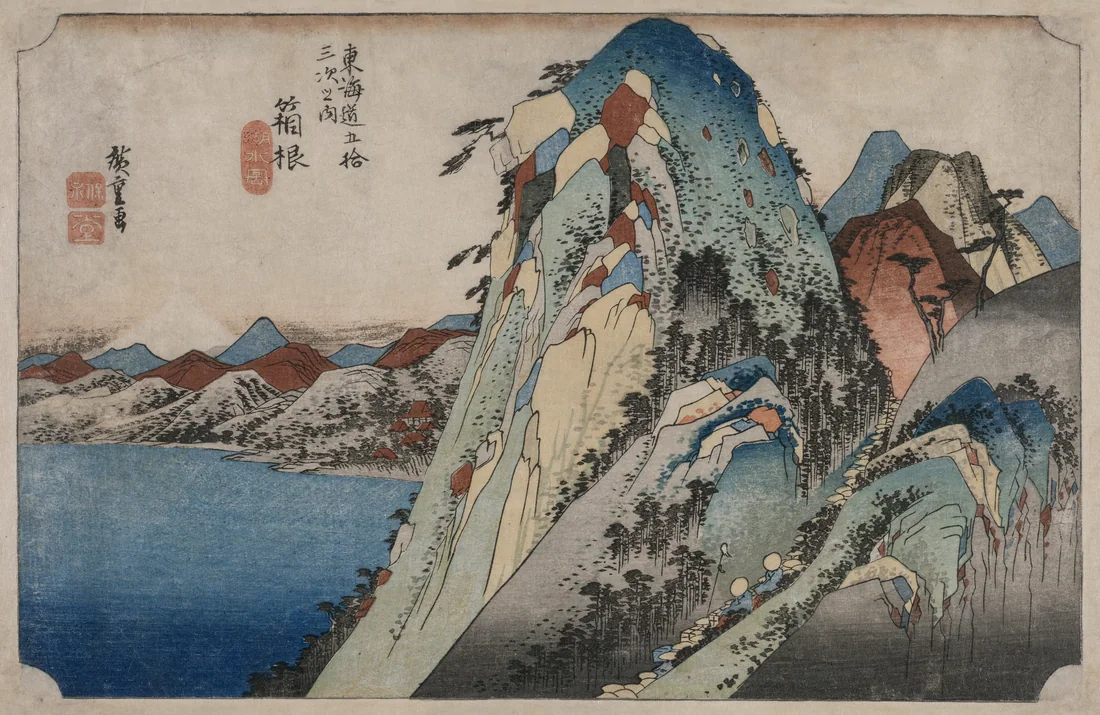 Utagawa Hiroshige
Lake at Hakone, 1833
from 399 kr
-
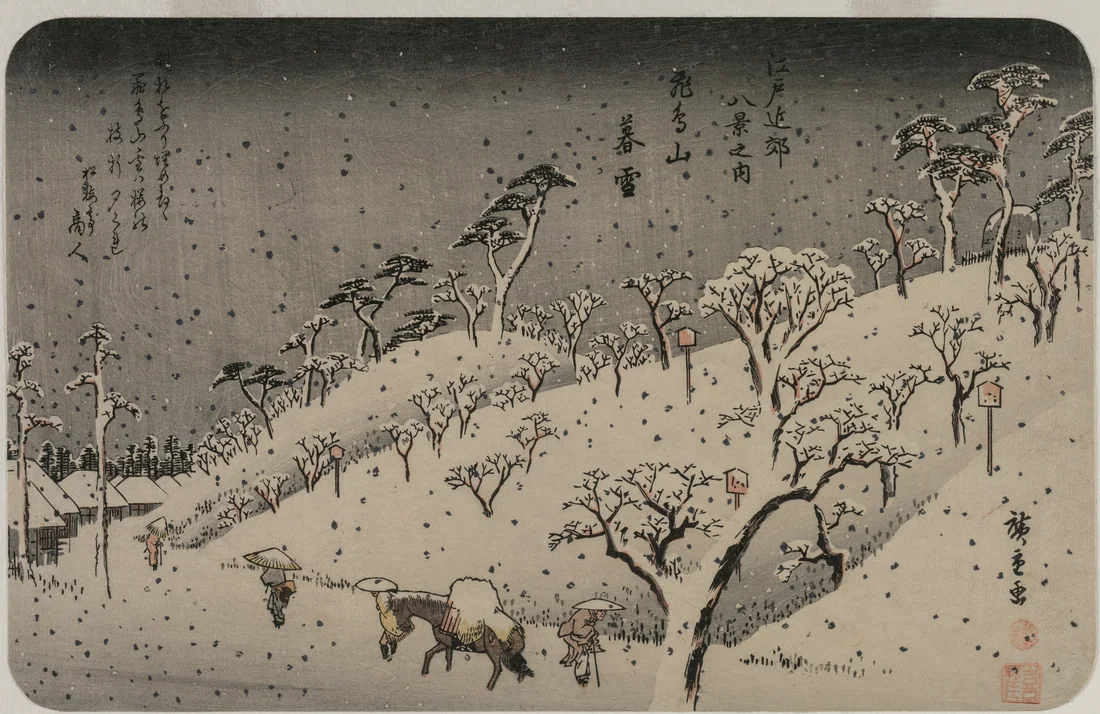 Utagawa Hiroshige
Evening Snow at Asuka Hill, c. 1837–38
from 399 kr
-
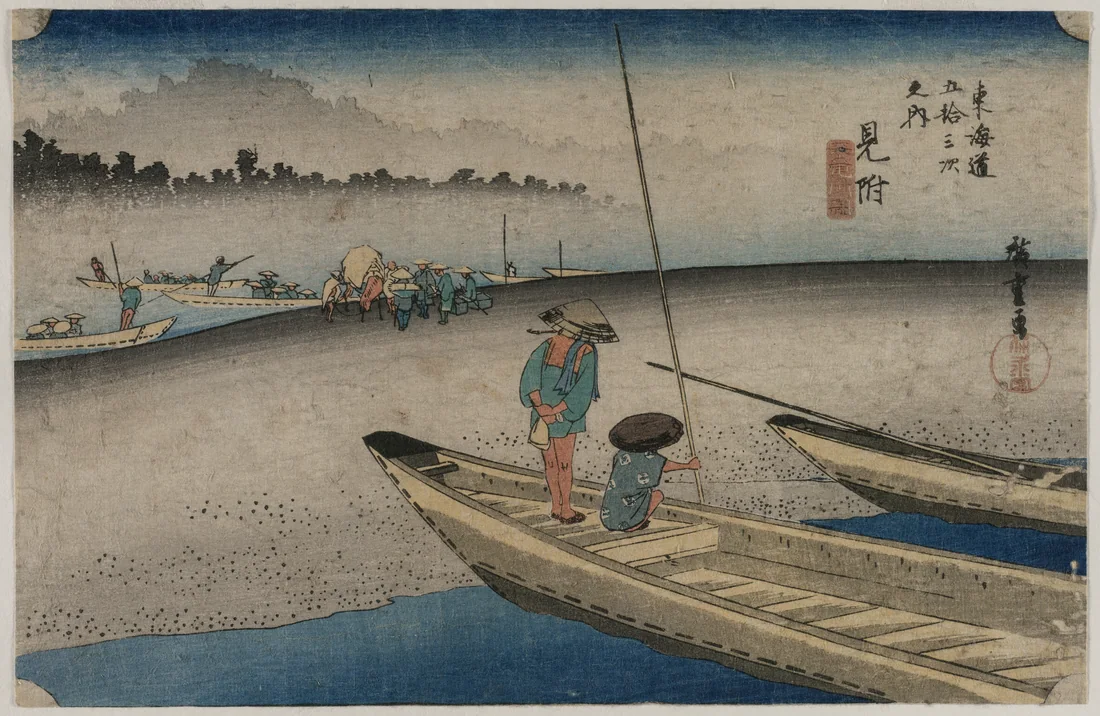 Utagawa Hiroshige
Tenryu River near Mitsuke (Station 29), 1833
from 399 kr
-
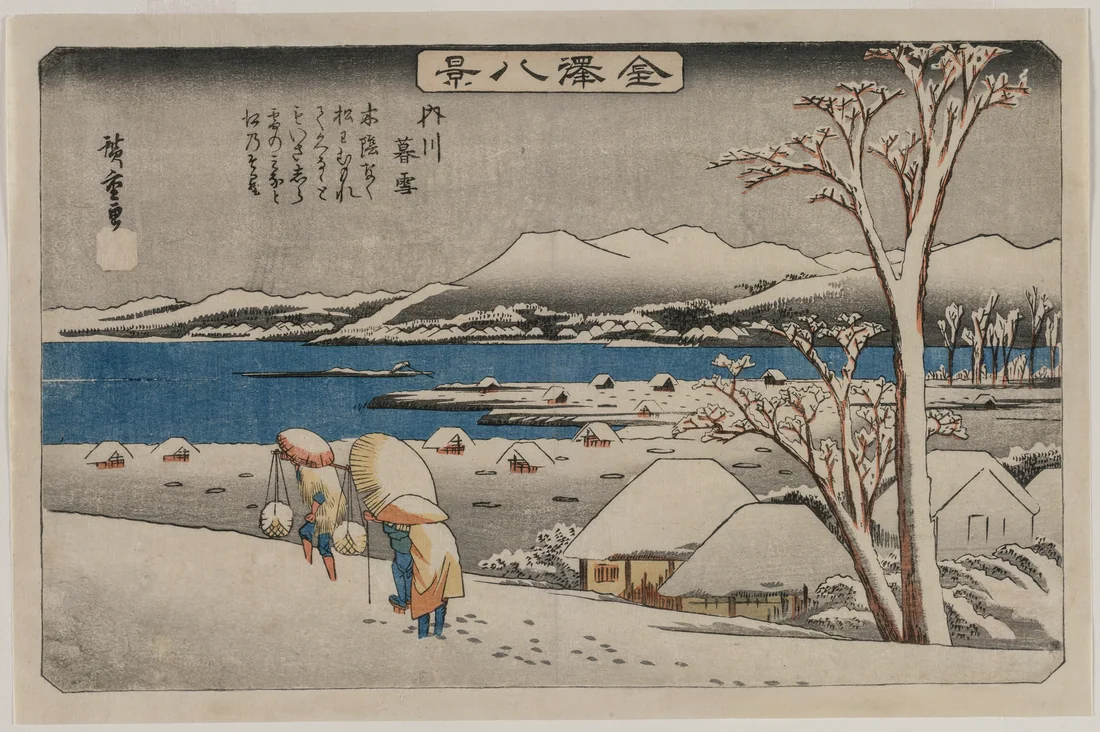 Utagawa Hiroshige
Evening Snow at Uchikawa, 1835–36
from 399 kr
-
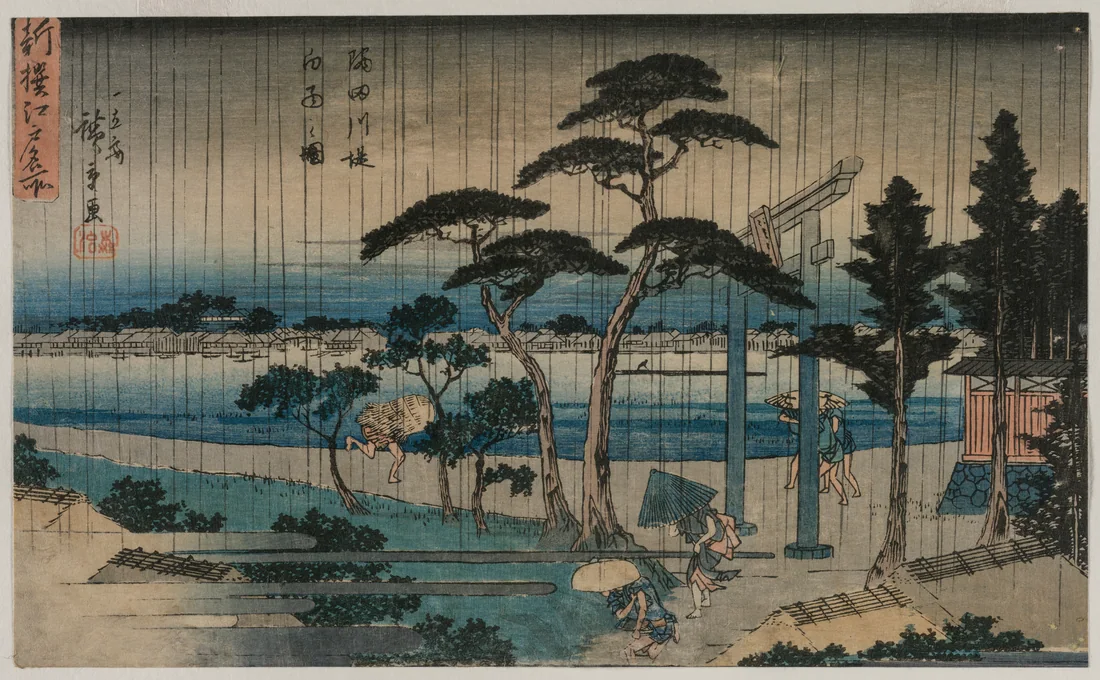 Utagawa Hiroshige
Light Rain on the Embankment of the Sumida River, late 1830s or early 1840s
from 399 kr
-
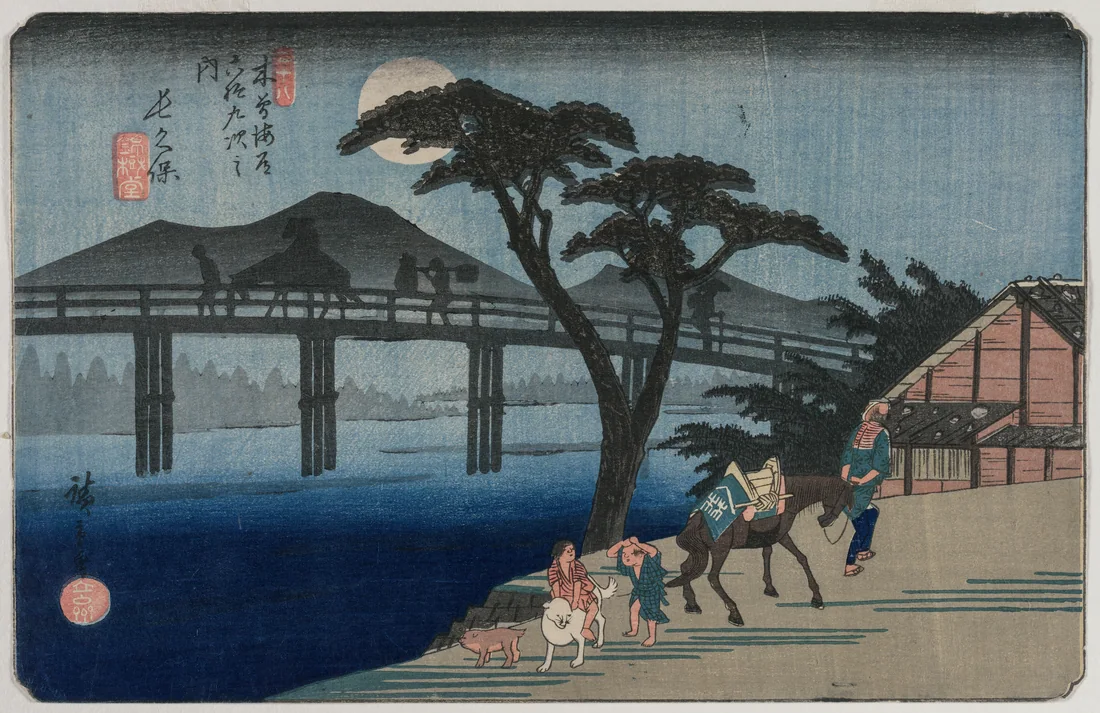 Utagawa Hiroshige
Nagakubo (Station 28), 1835 or 1836
from 399 kr
-
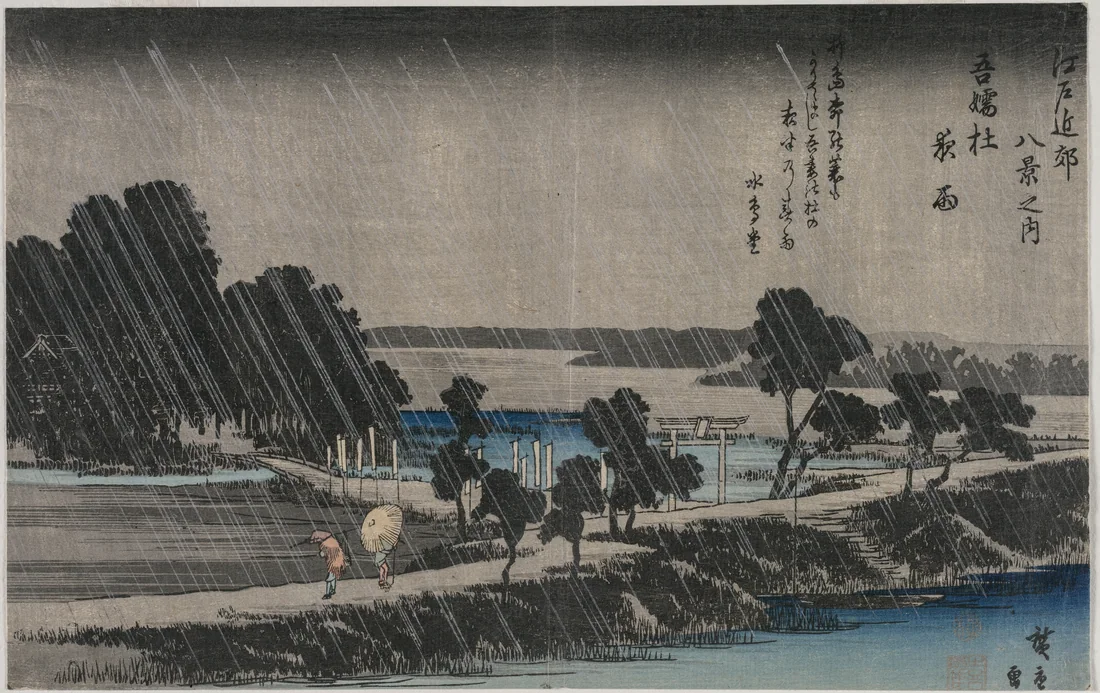 Utagawa Hiroshige
Night Rain at the Azuma Shrine, mid-1830s
from 399 kr
-
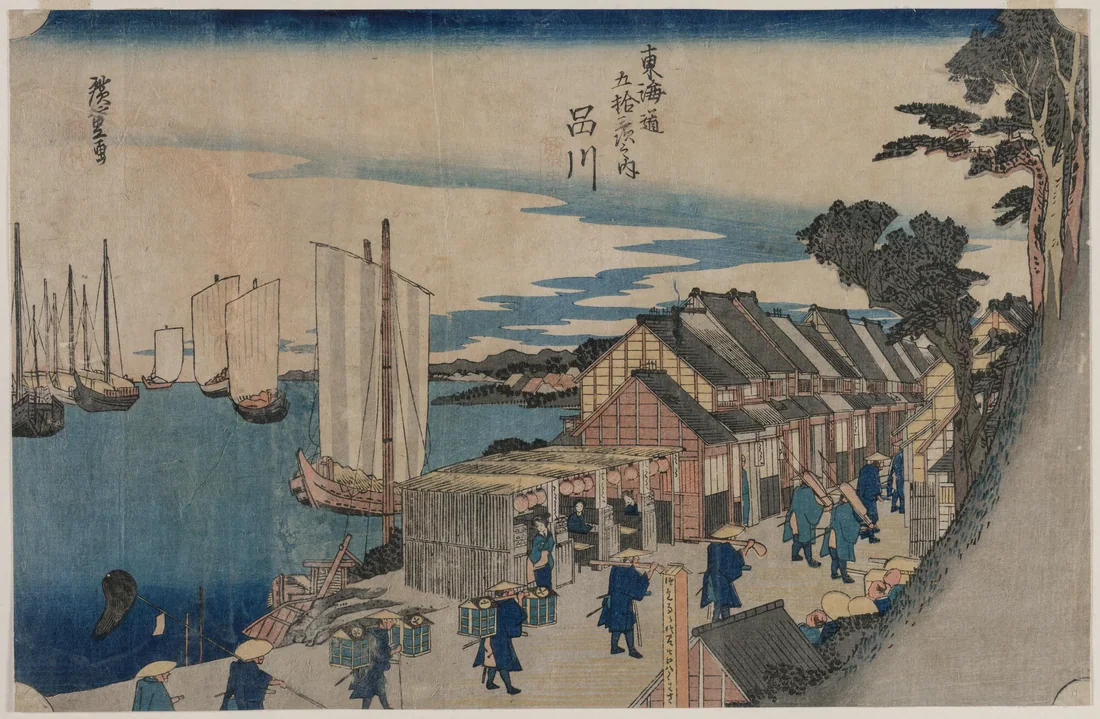 Utagawa Hiroshige
Shinagawa (from the series Fifty-three Stations of the Tokaido)
from 399 kr
-
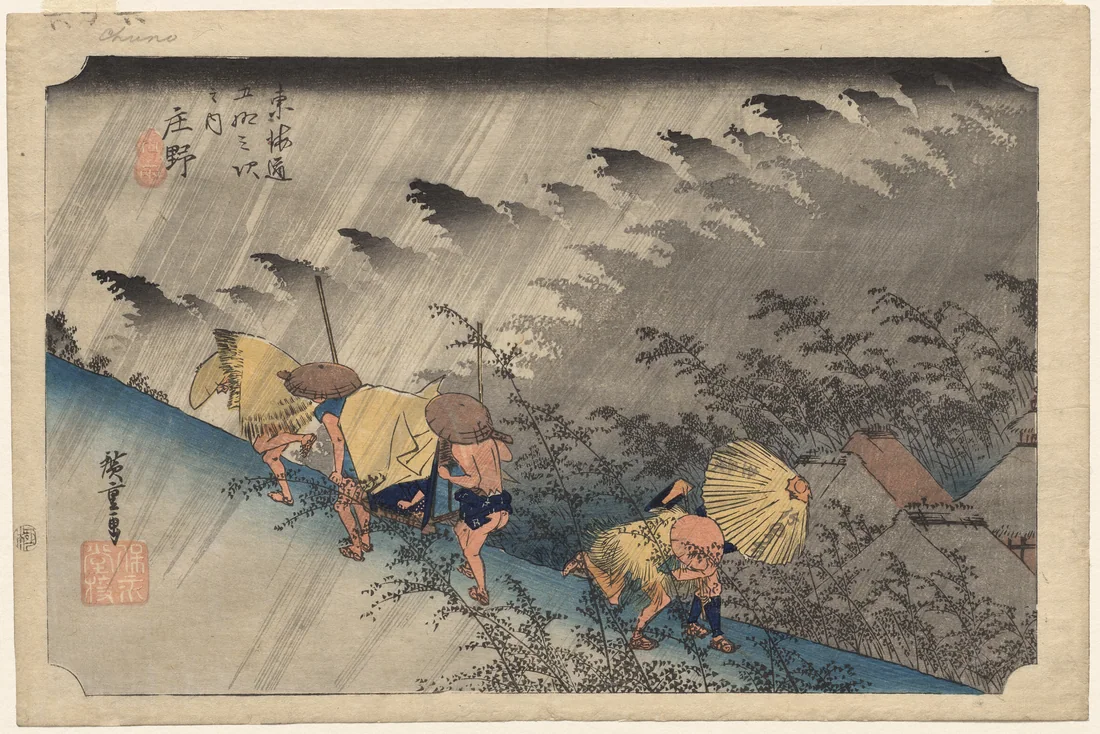 Utagawa Hiroshige
Driving Rain at Shōno (from the series The Fifty-Three Stations of the Tōkaidō), 1833
from 399 kr
-
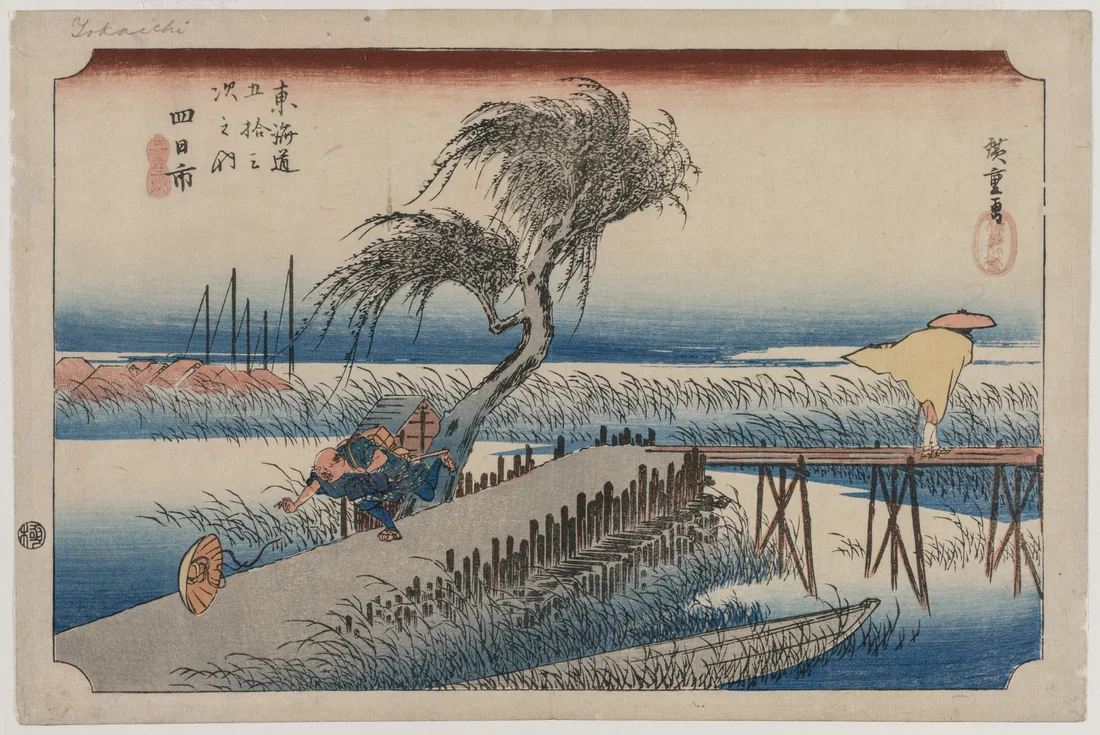 Utagawa Hiroshige
Yokkaichi: View of the Mie River, c. 1833–34
from 399 kr
-
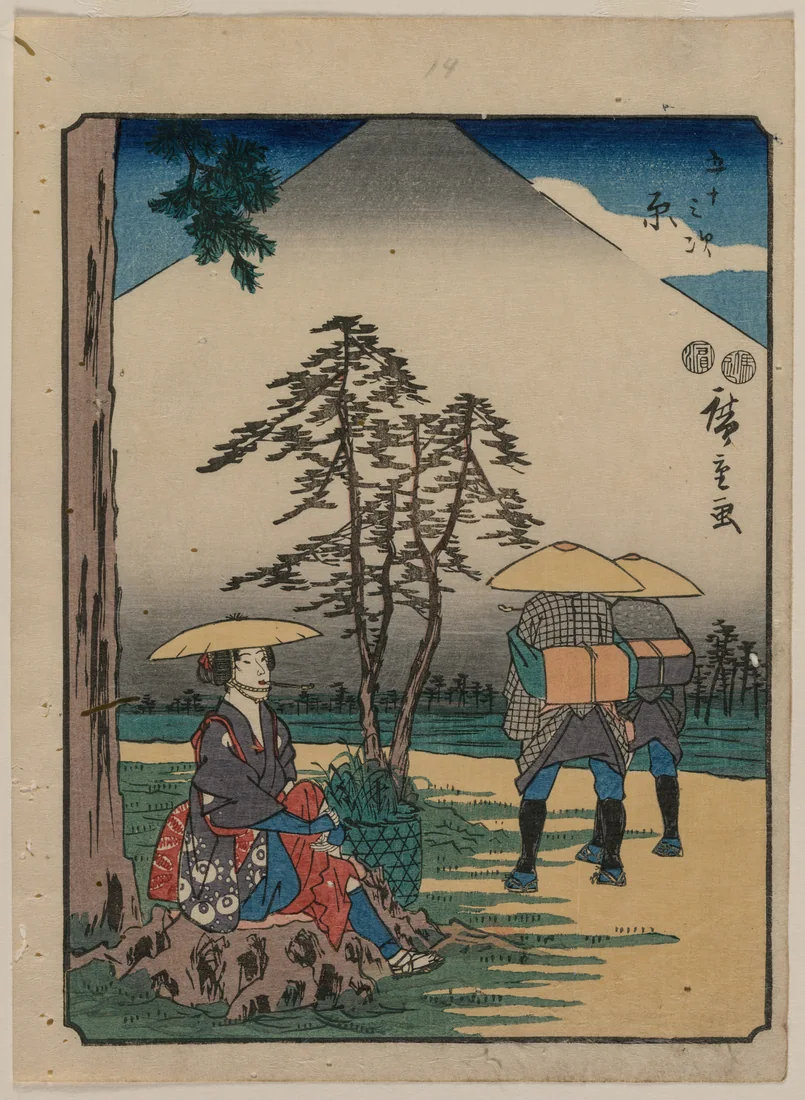 Utagawa Hiroshige
Hara, c. 1850
from 399 kr
-
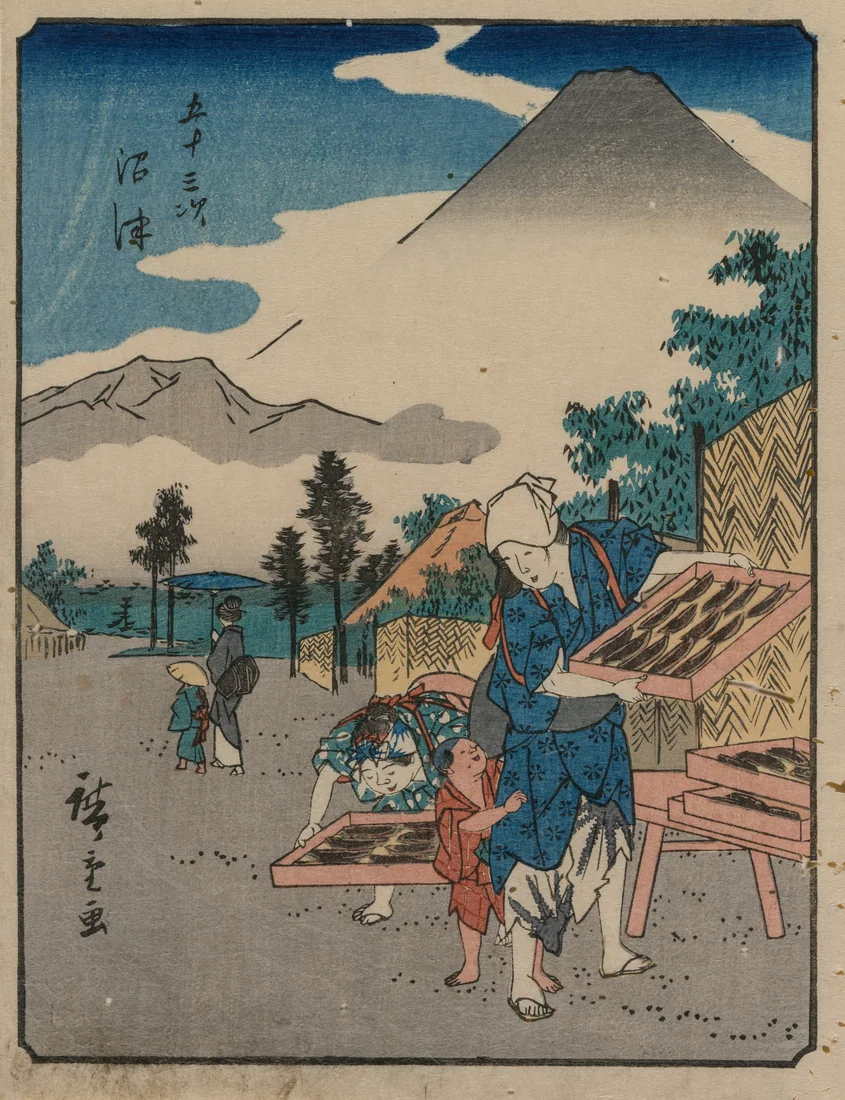 Utagawa Hiroshige
Numazu, c. 1850
from 399 kr
-
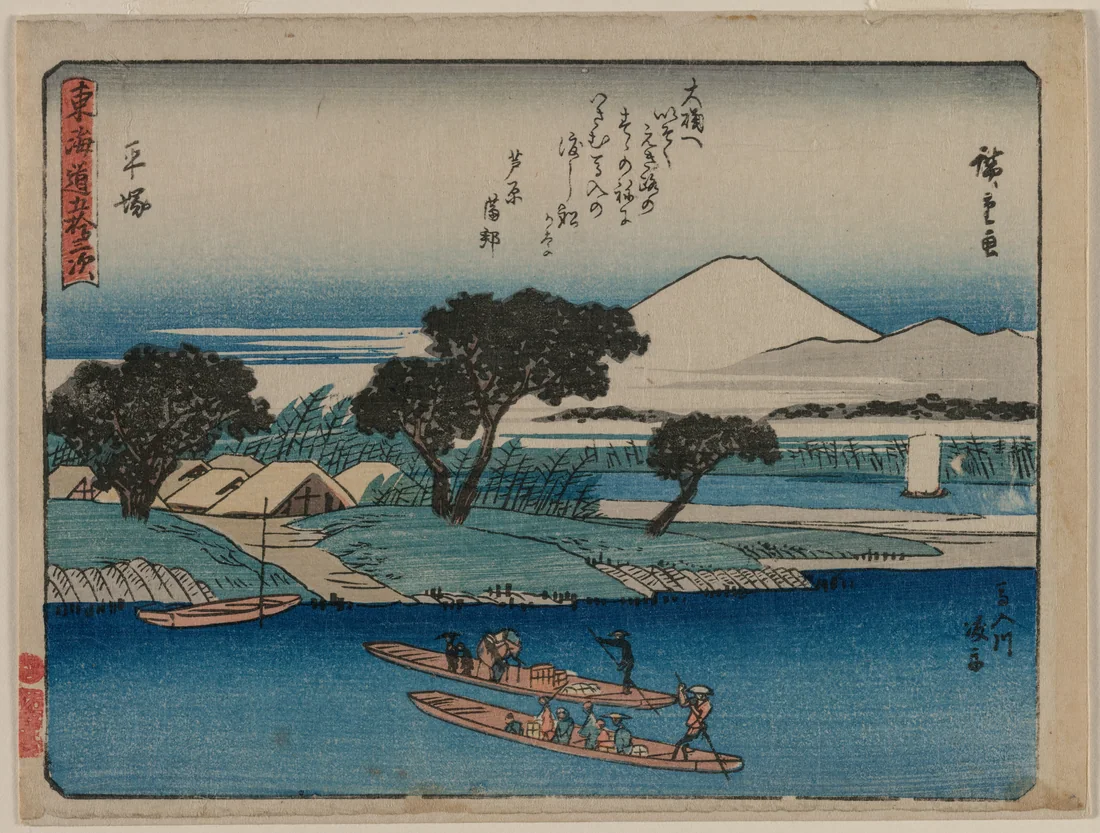 Utagawa Hiroshige
Hiratsuka, c. 1840
from 399 kr
-
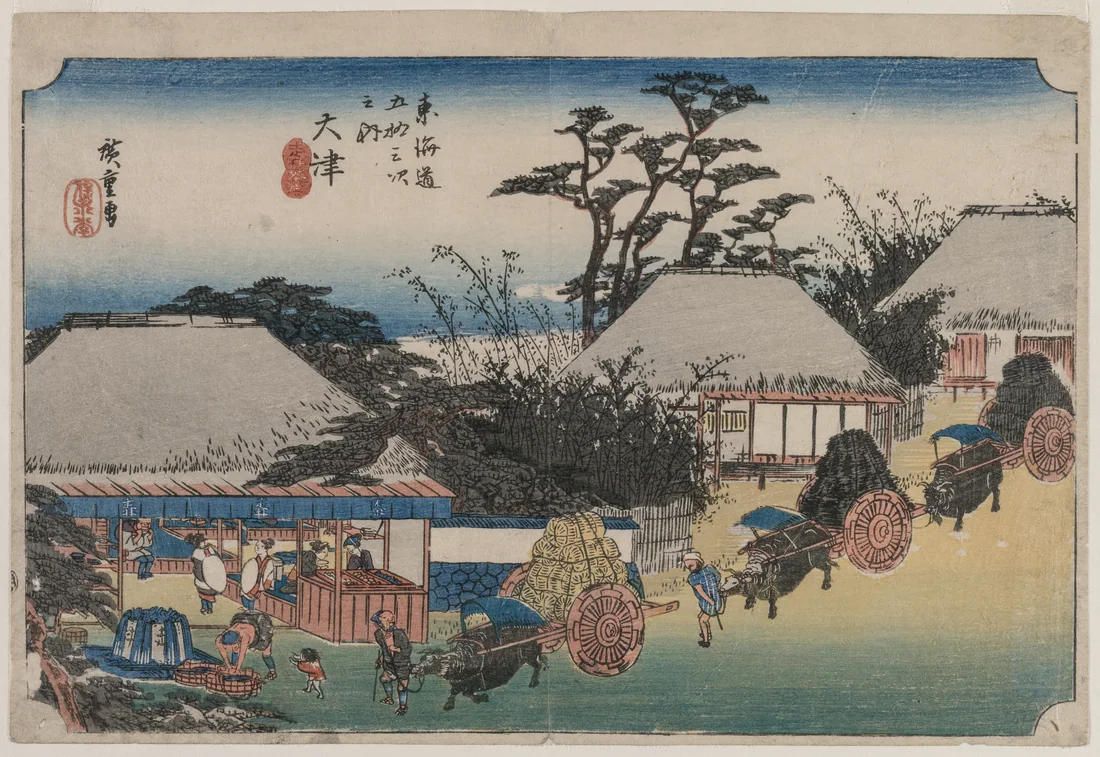 Utagawa Hiroshige
Otsu, 1833–1834
from 399 kr
-
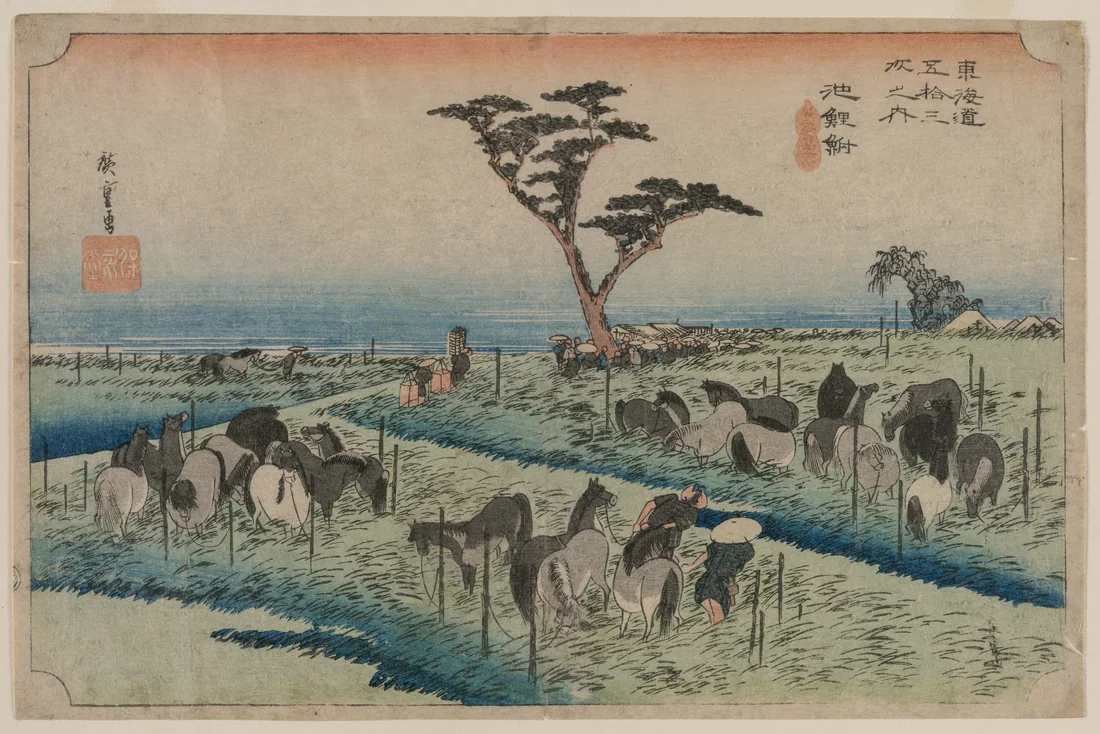 Utagawa Hiroshige
Chiryu, 1833–1834
from 399 kr
-
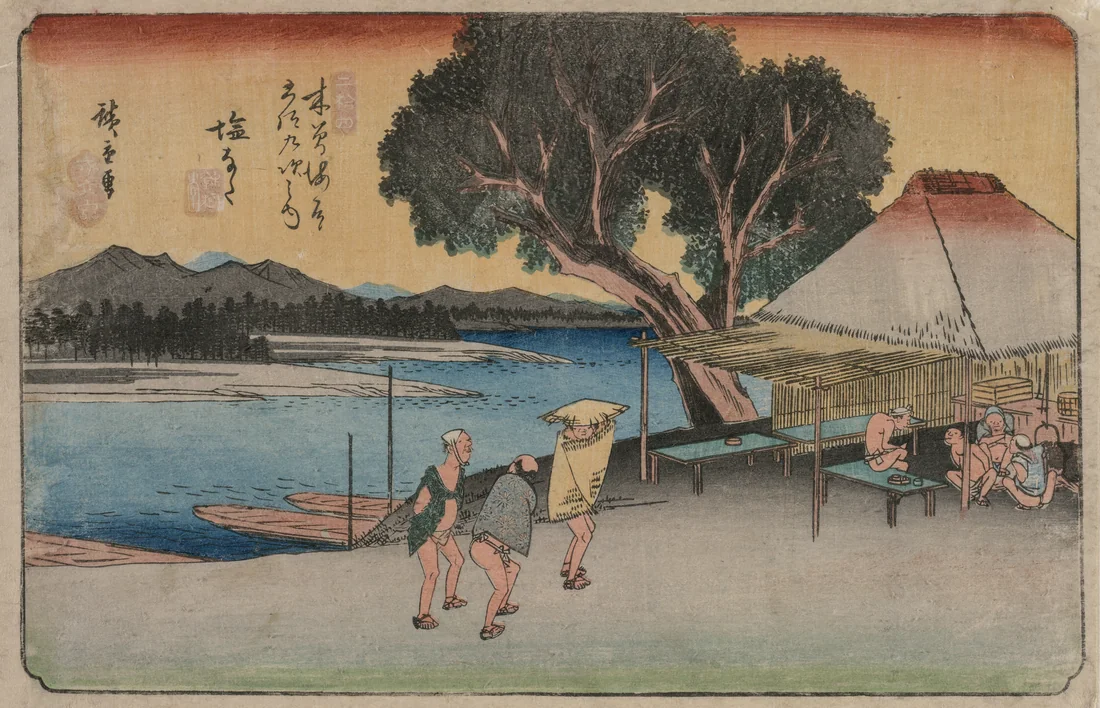 Utagawa Hiroshige
Shionata
from 399 kr
-
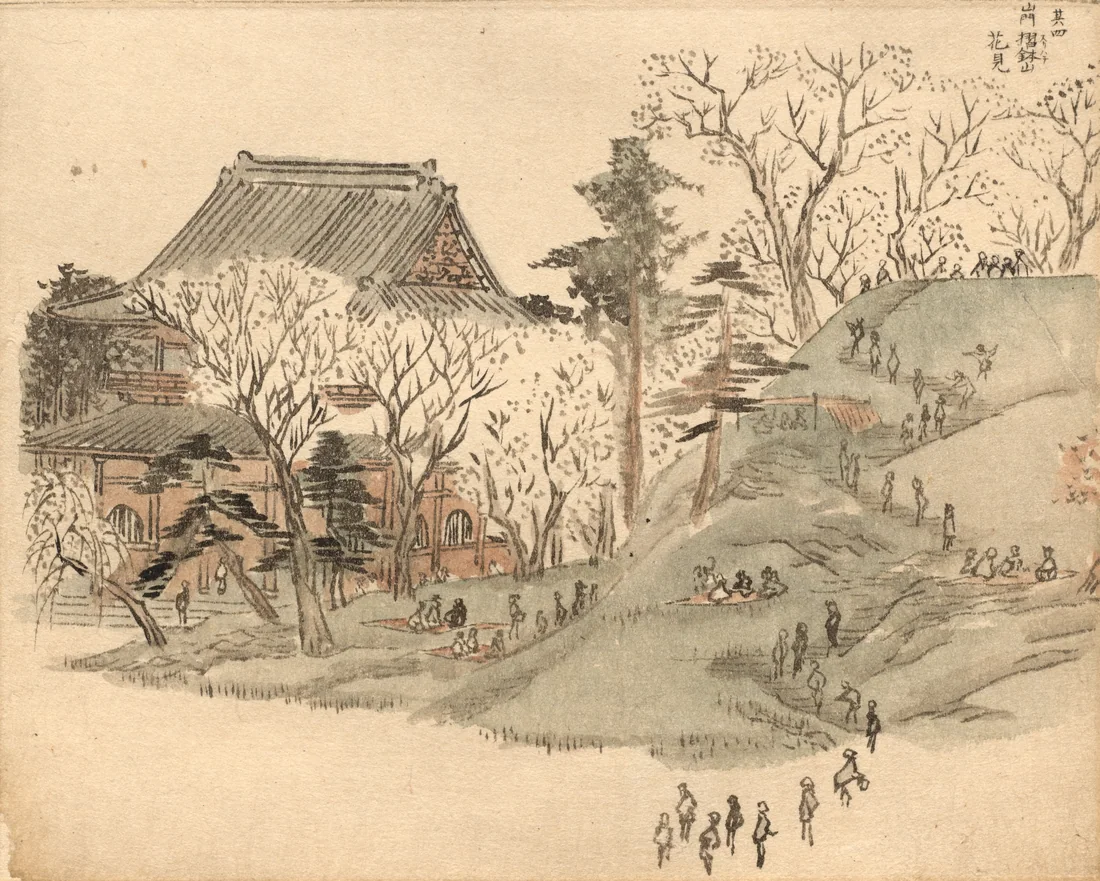 Utagawa Hiroshige
Cherry Blossom Viewing at the Temple on Mt. Suribachi, after 1850
from 399 kr
-
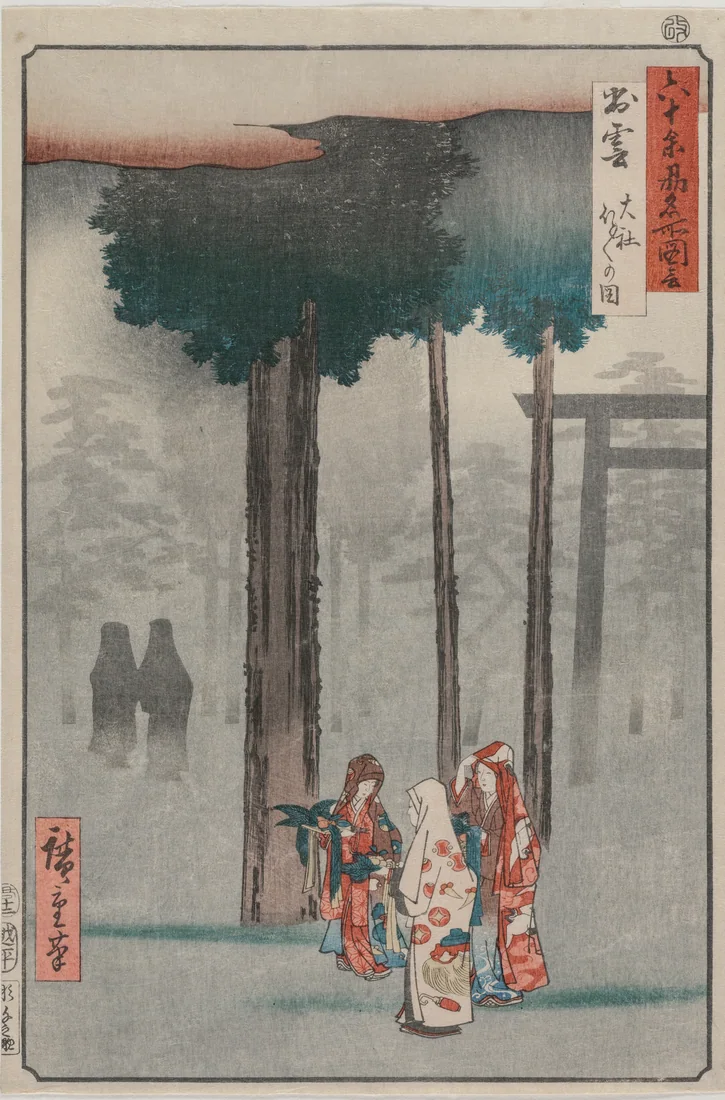 Utagawa Hiroshige
Hotohoto Festival at Izumo Grand Shrine, 1853
from 399 kr
-
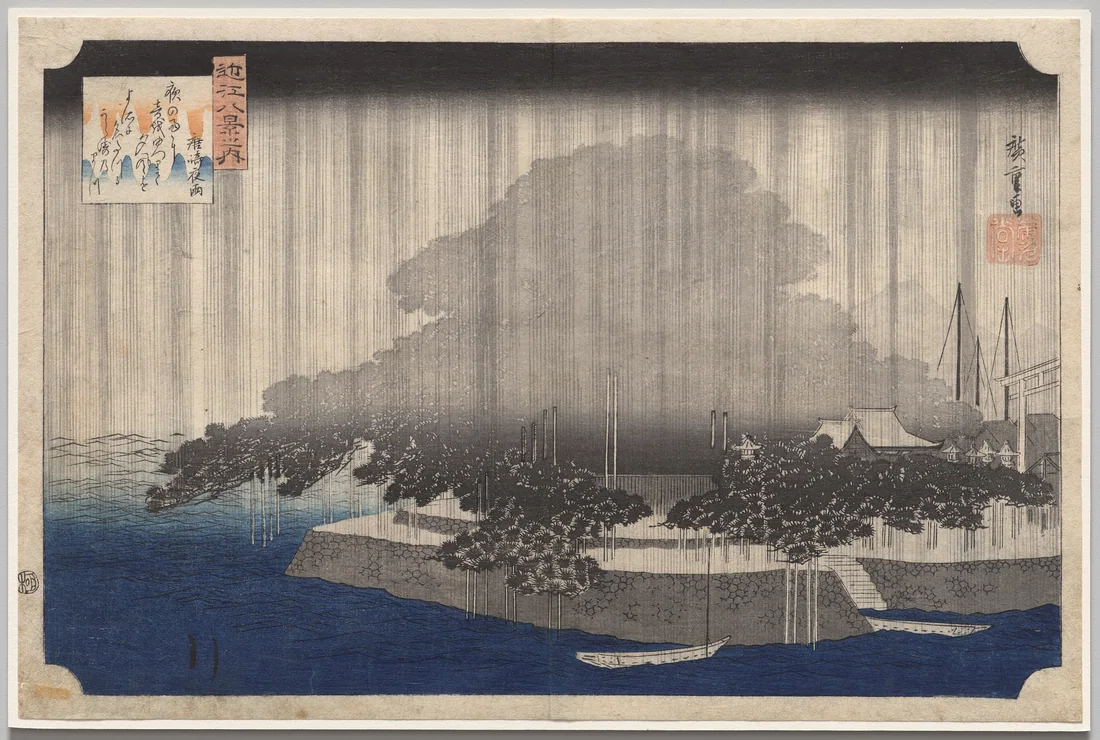 Utagawa Hiroshige
Night Rain at Karasaki, c. 1835
from 399 kr
-
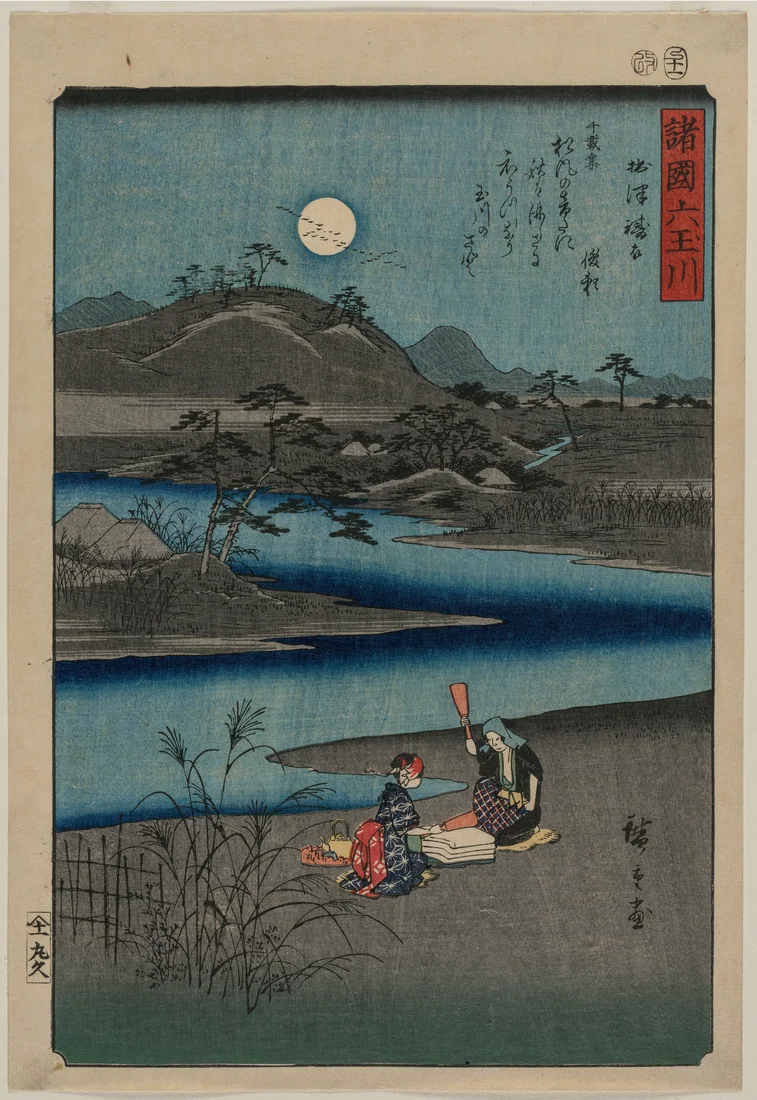 Utagawa Hiroshige
Cloth Fulling Jewel River in Settsu, 1857
from 399 kr
-
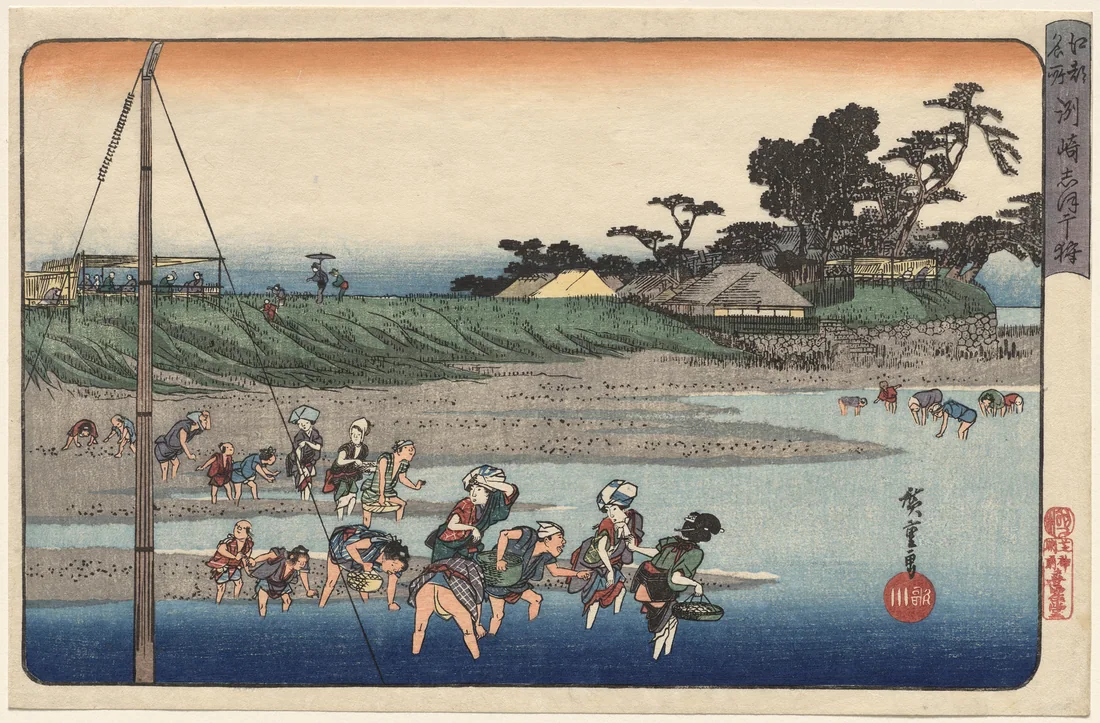 Utagawa Hiroshige
Gathering Shellfish at Low Tide at Susaki, mid-1830s
from 399 kr
-
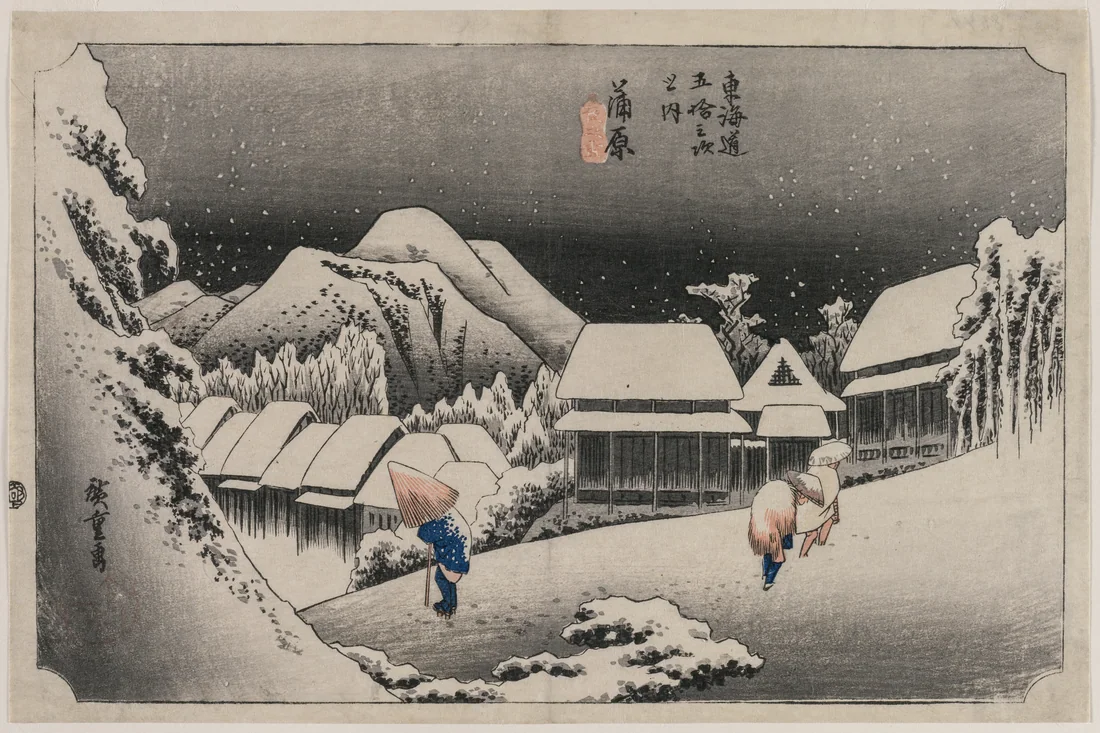 Utagawa Hiroshige
Evening Snow at Kambara, 1833
from 399 kr
-
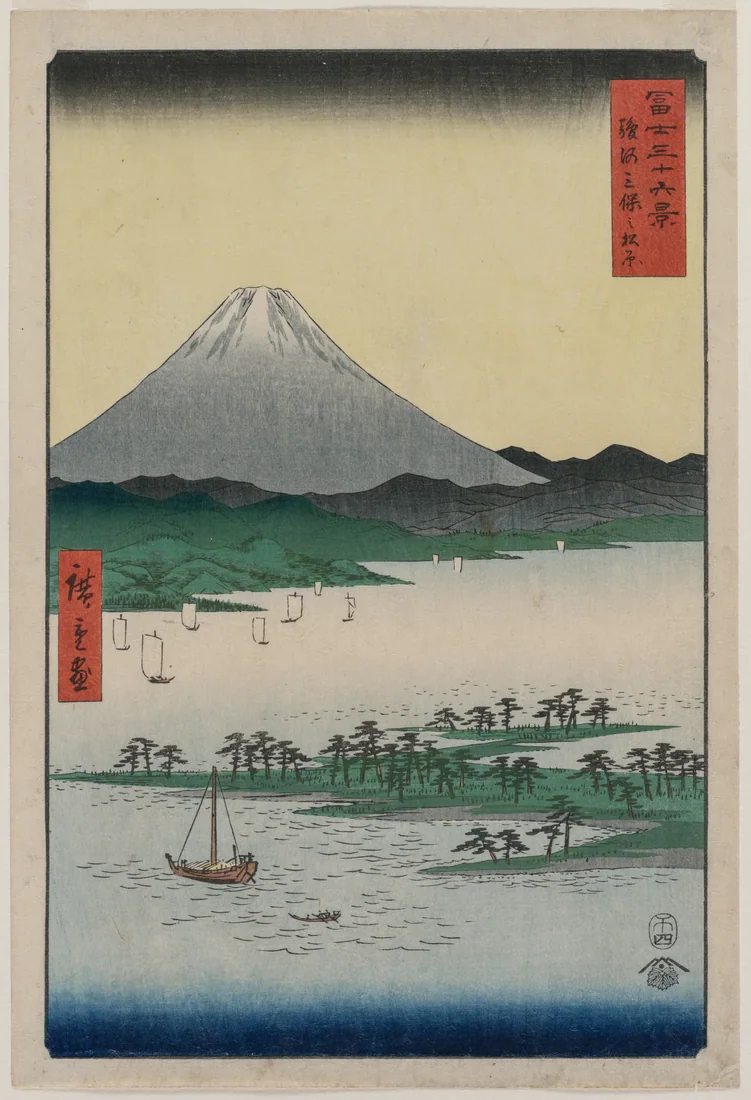 Utagawa Hiroshige
Pine Groves of Miho in Suruga, 1858
from 399 kr
-
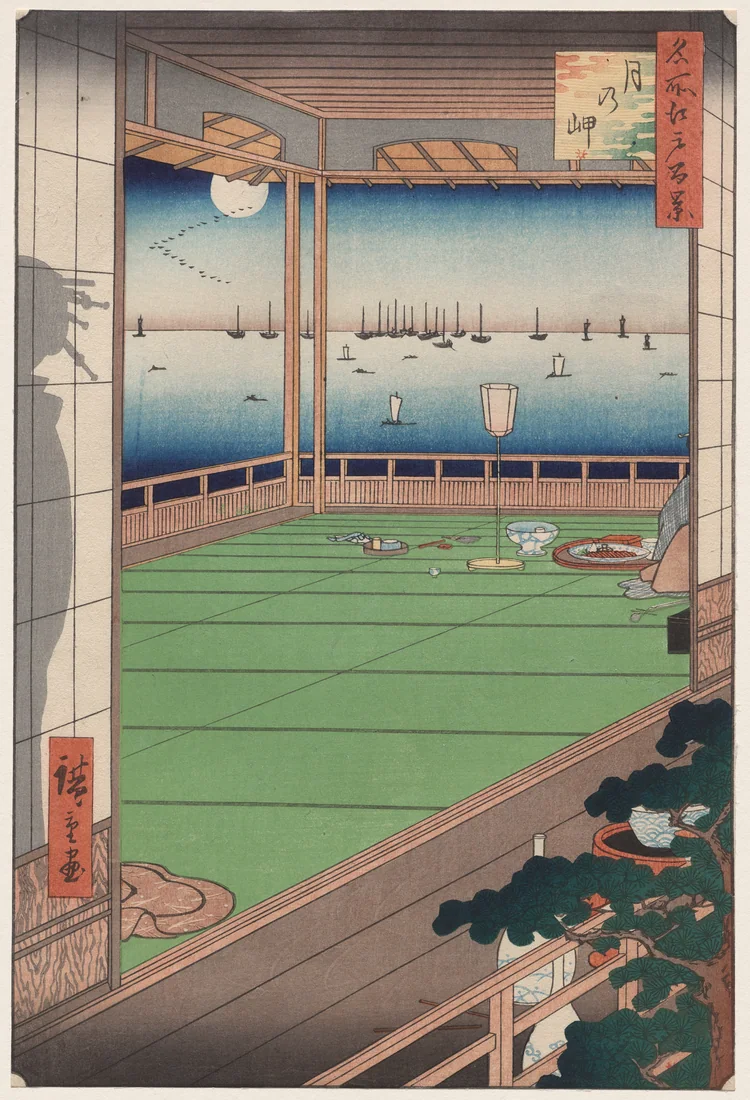 Utagawa Hiroshige
The Moon-Viewing Promontory, 1857
from 399 kr
-
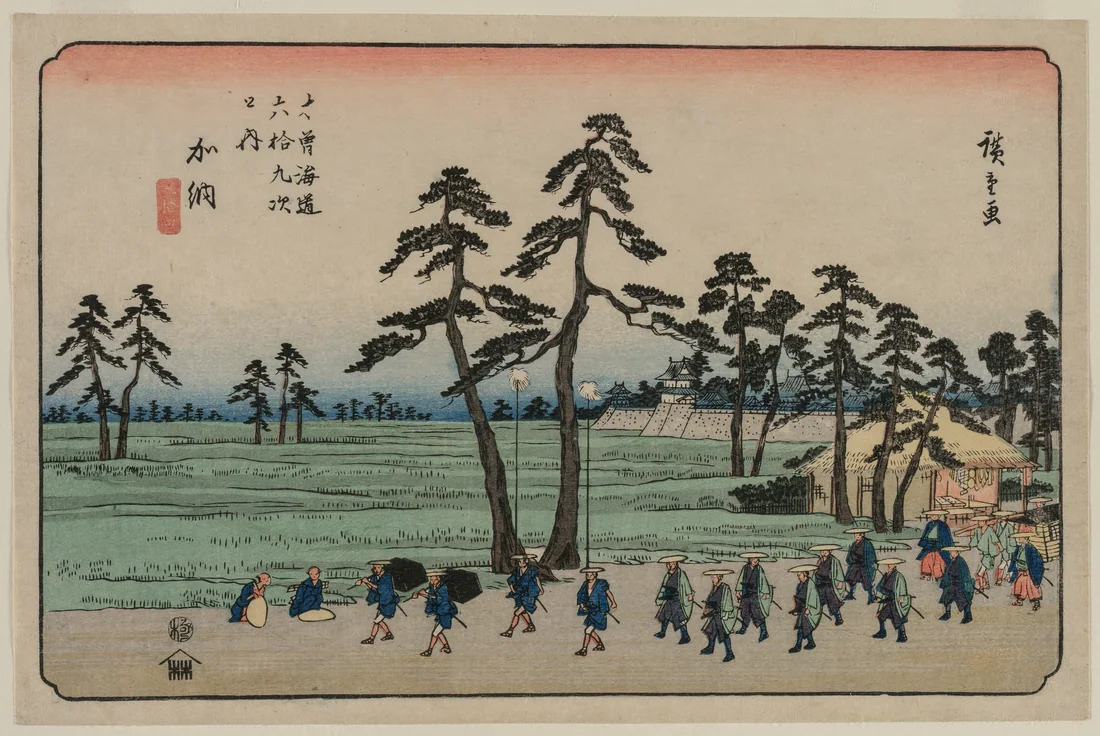 Utagawa Hiroshige
Kanō, c. 1835–37
from 399 kr
-
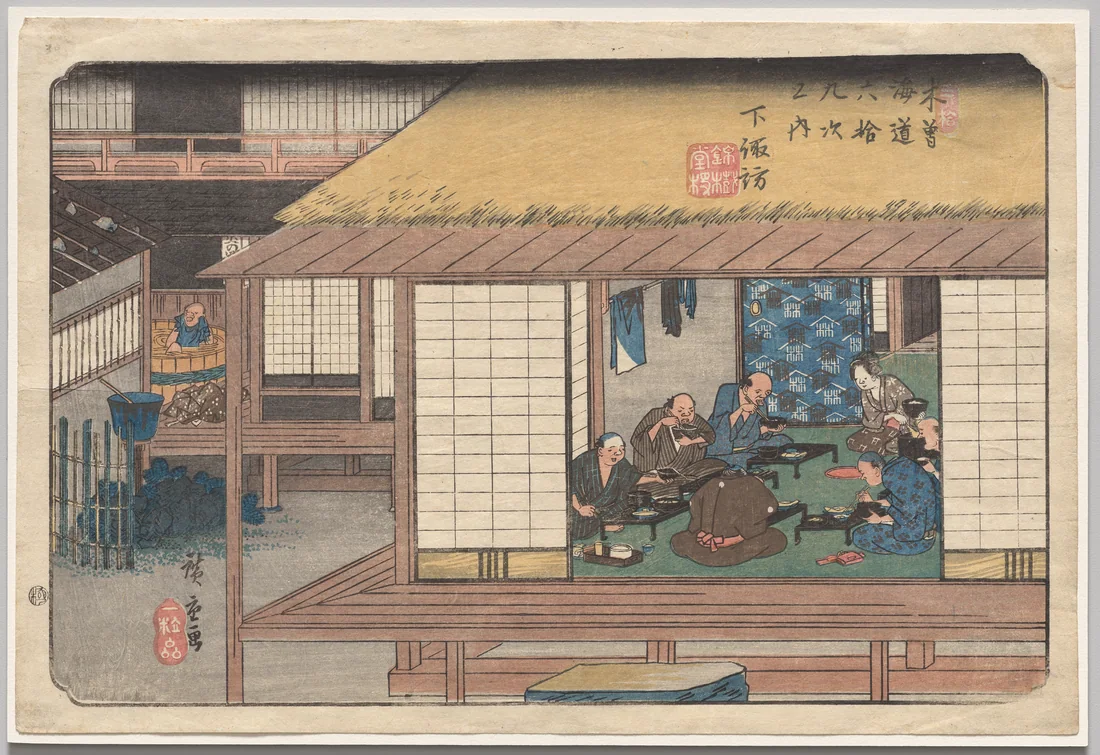 Utagawa Hiroshige
Shimosuwa, 1835–38
from 399 kr
-
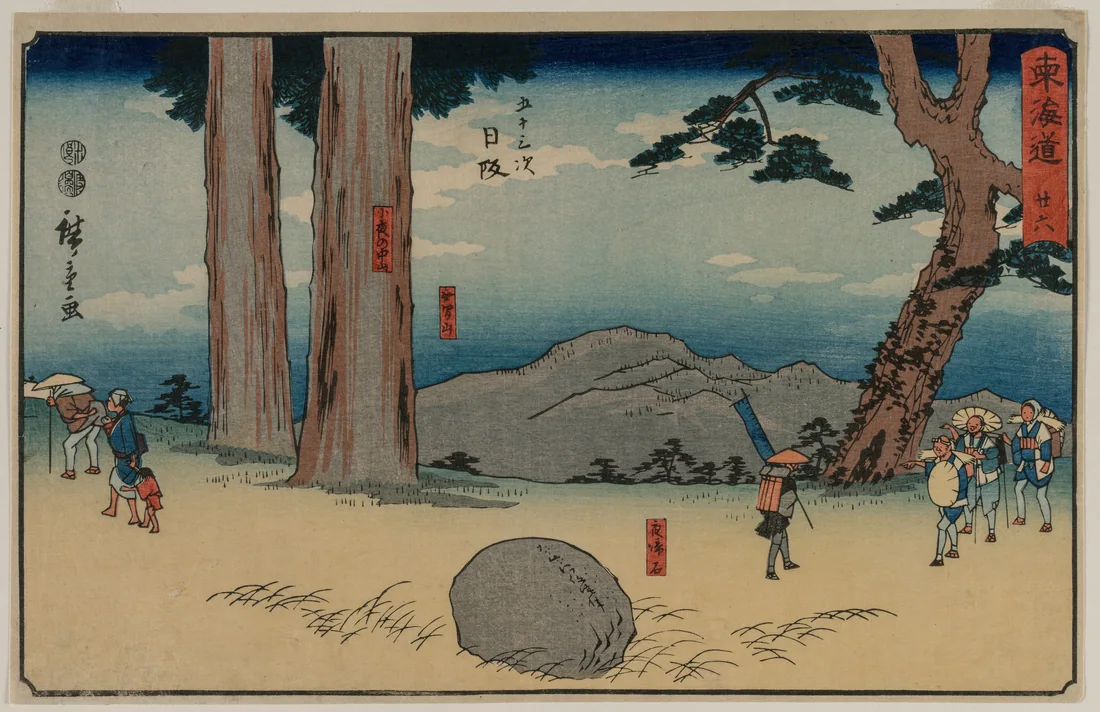 Utagawa Hiroshige
Nissaka: The Night-Weeping Stone at Sayo no Nakayama, c. 1848–50
from 399 kr
-
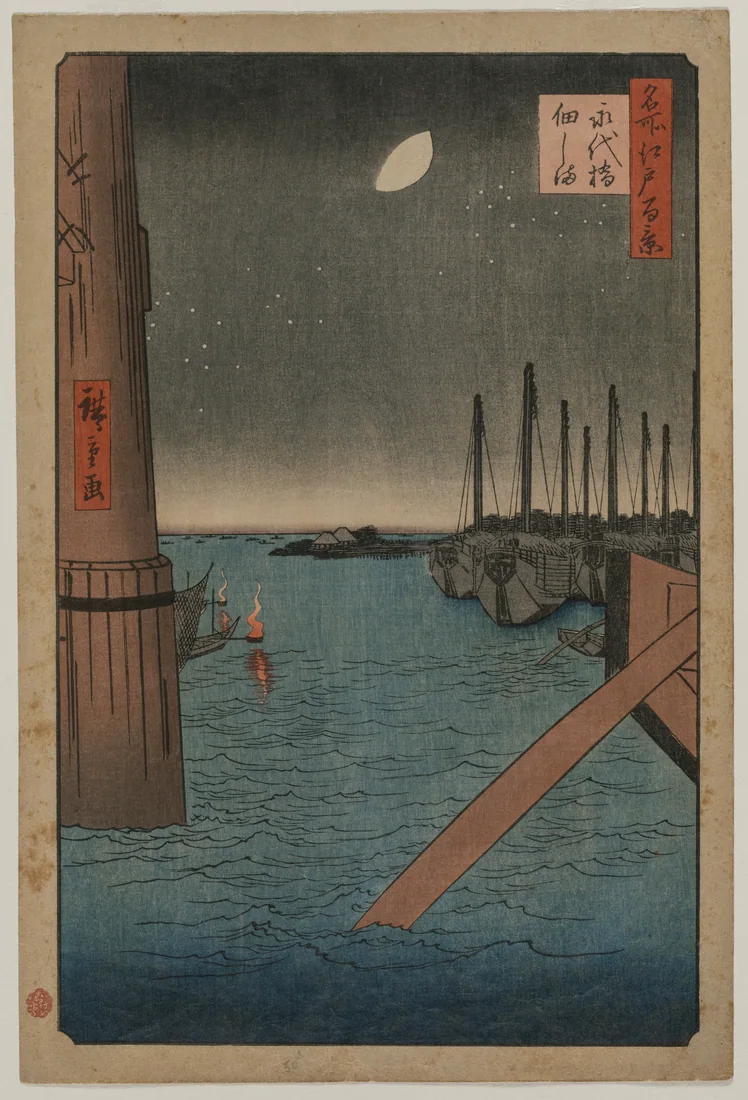 Utagawa Hiroshige
Tsukudajima from Eitai Bridge, 1858
from 399 kr
-
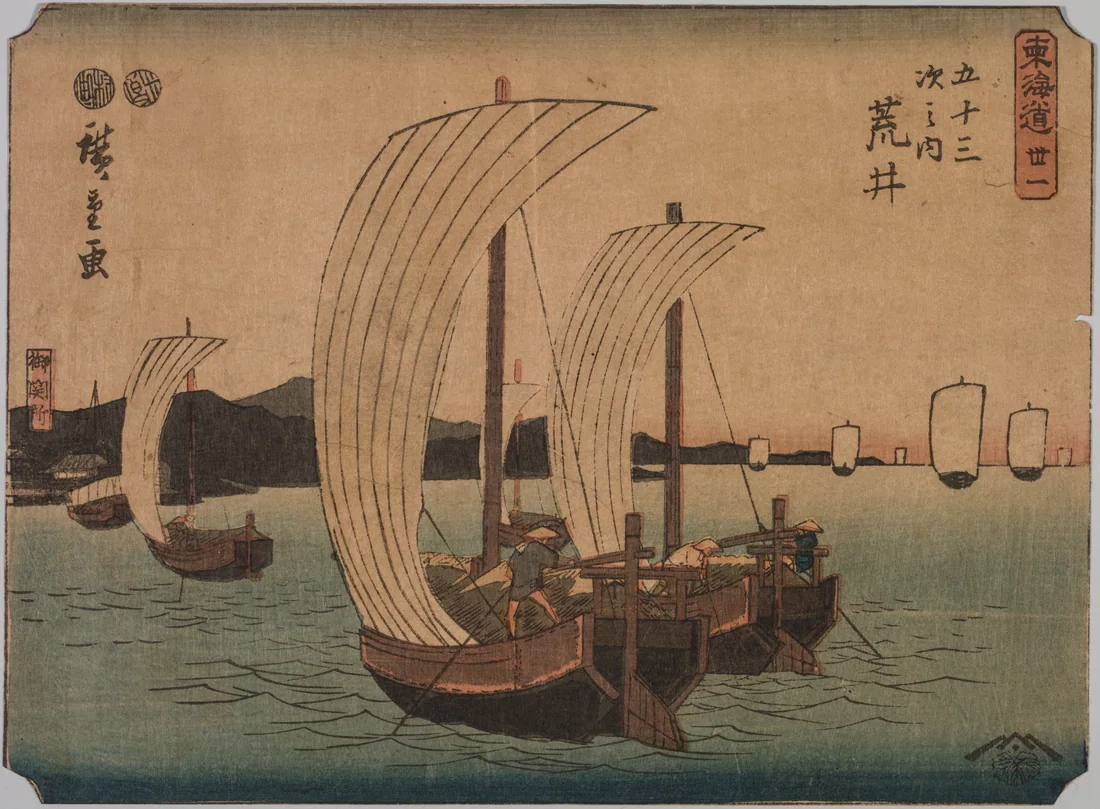 Utagawa Hiroshige
Sailboats, 1839–1864
from 399 kr
-
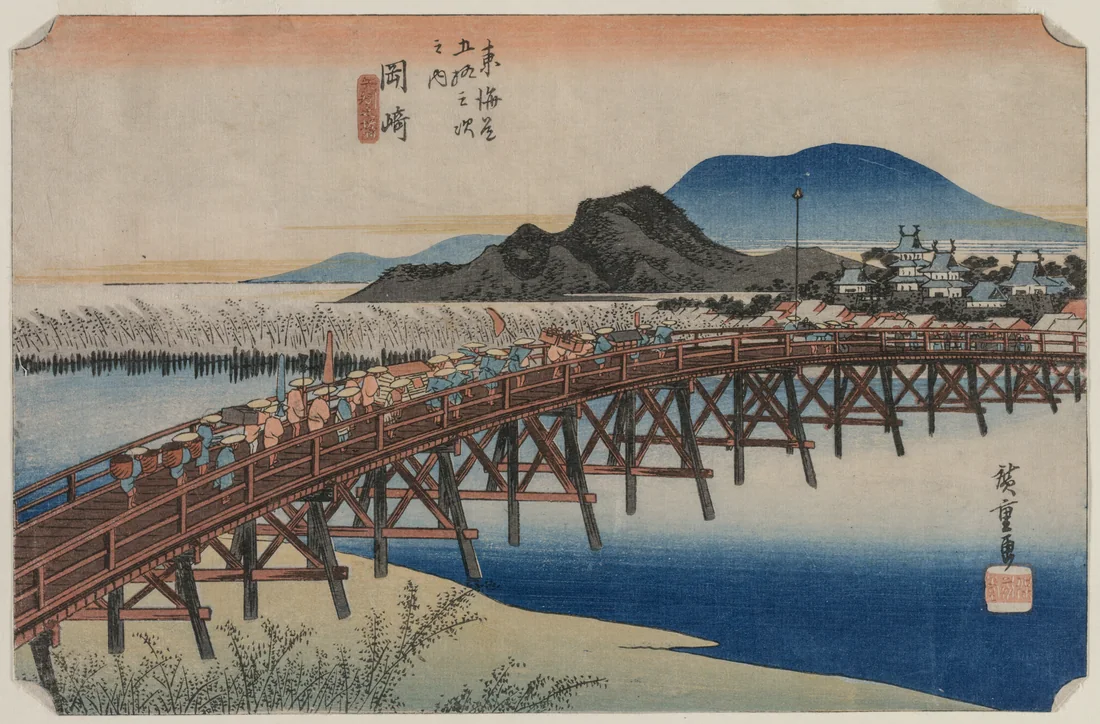 Utagawa Hiroshige
Yahagi Bridge at Okazaki (Station 39), 1833
from 399 kr
-
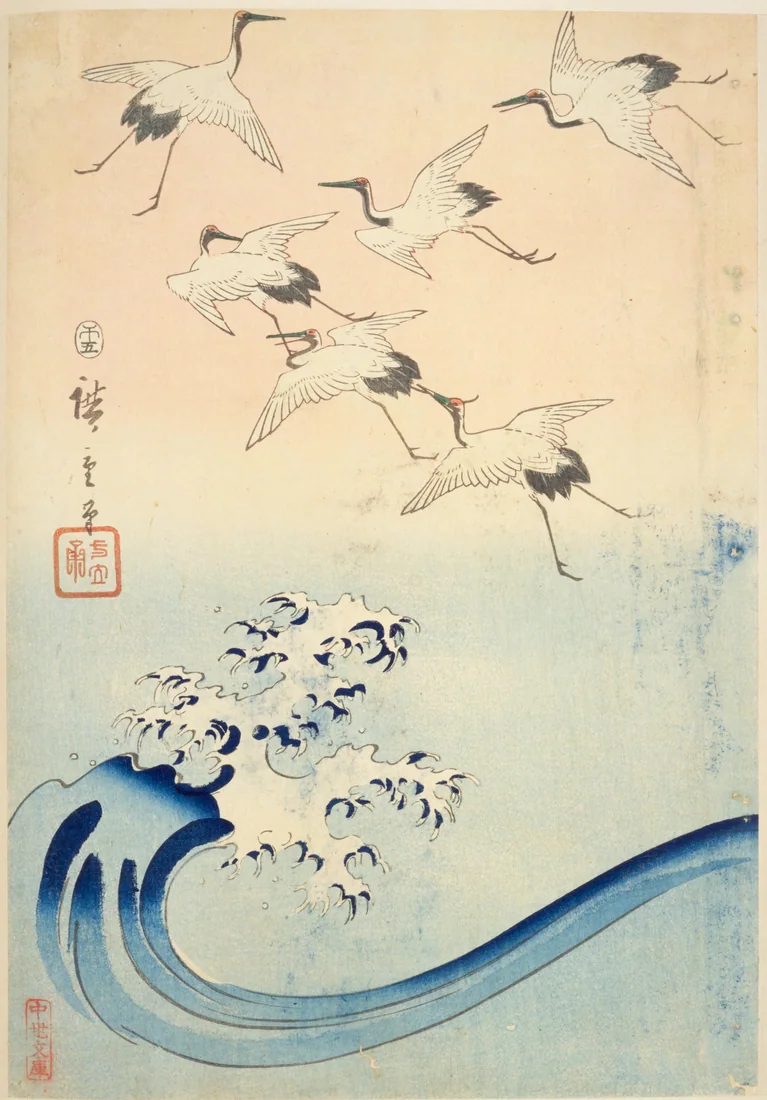 Utagawa Hiroshige
Untitled, 1858
from 399 kr
-
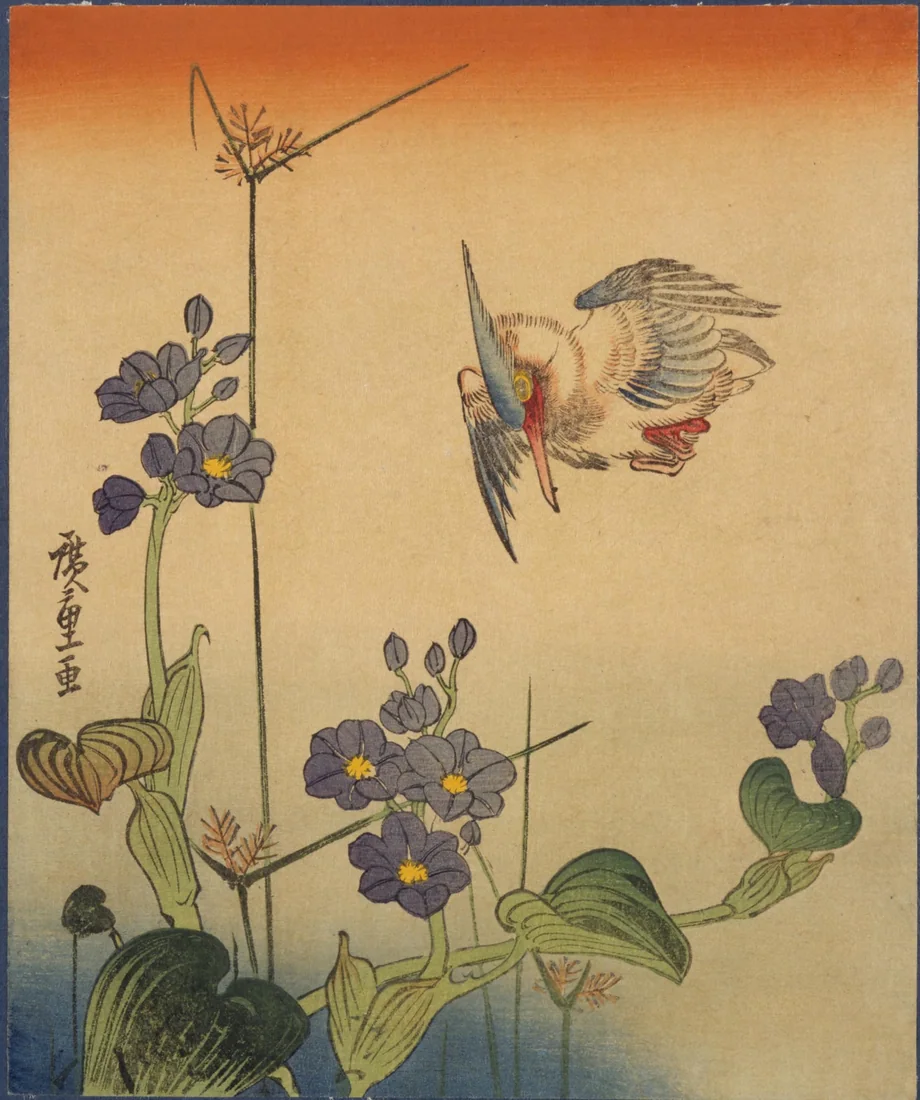 Utagawa Hiroshige
Kingfisher and Water Plants
from 399 kr
-
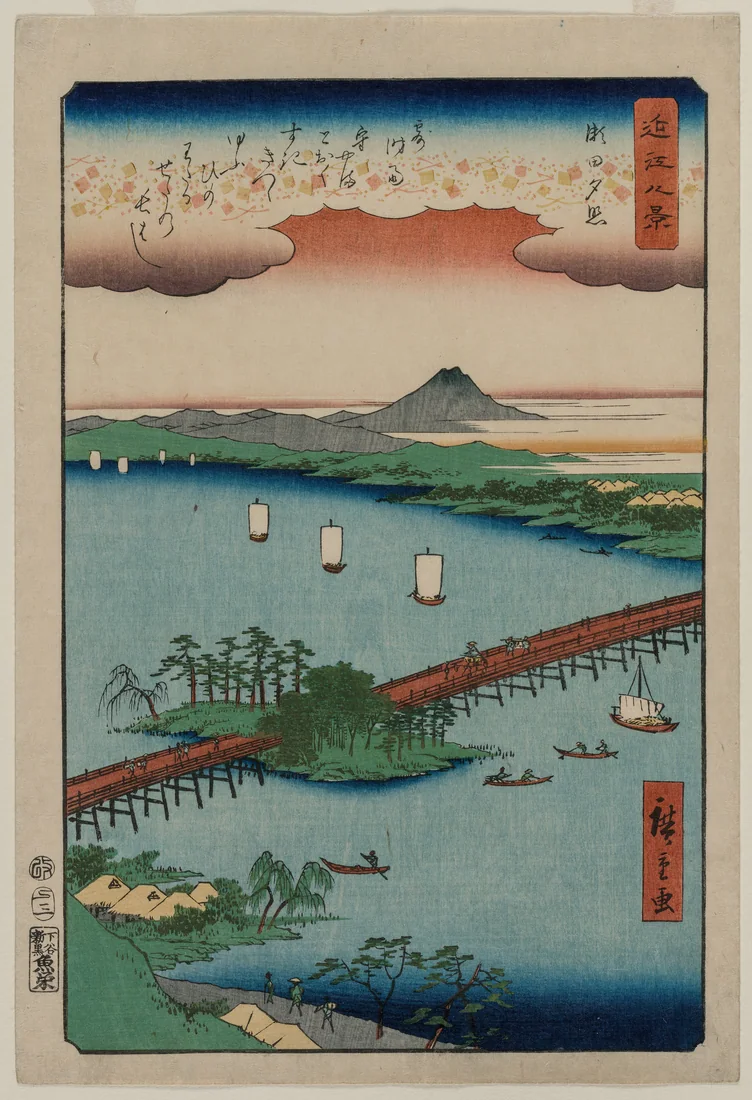 Utagawa Hiroshige
Evening Glow at Seta (from the series Eight Views of Ōmi), 1857
from 399 kr
-
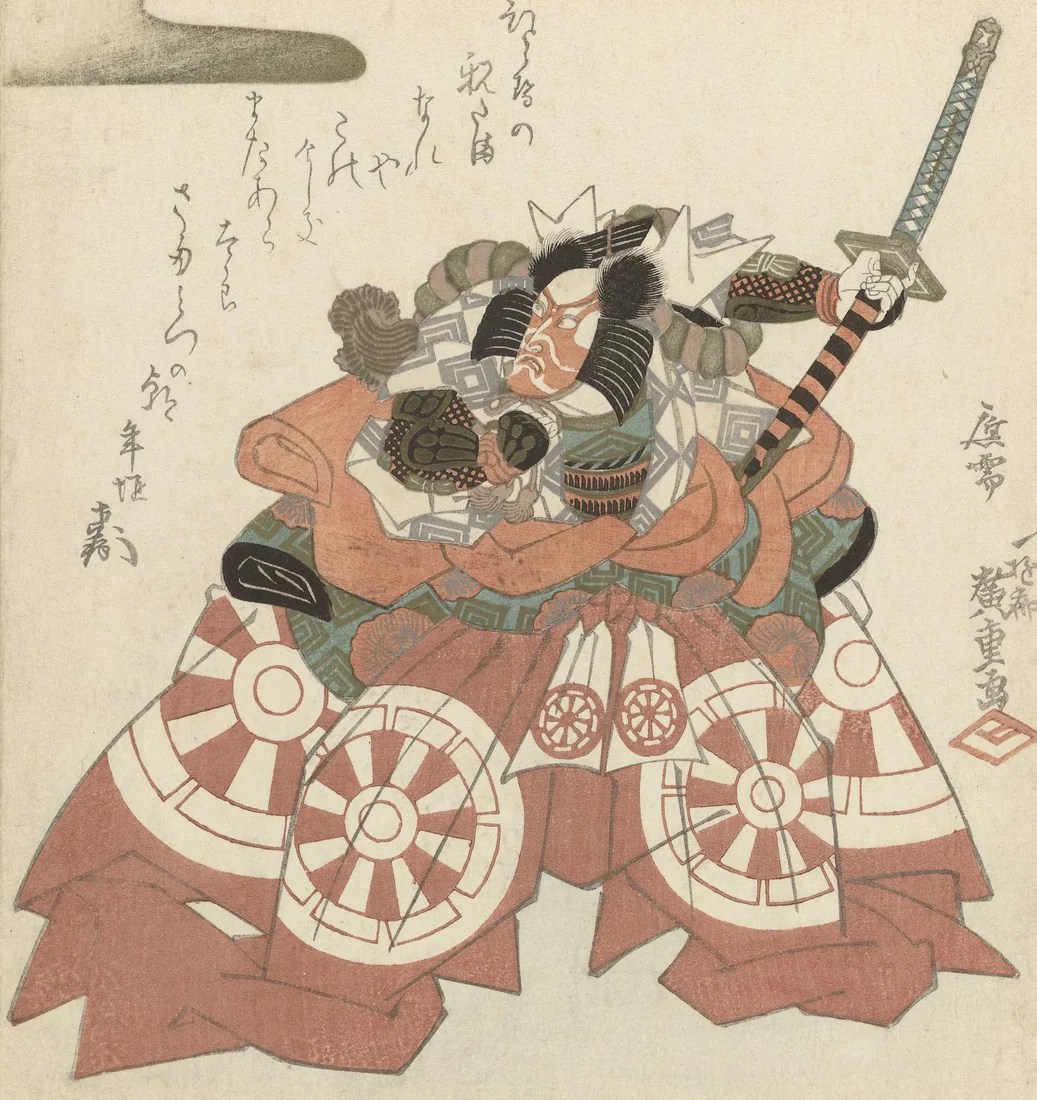 Utagawa Hiroshige
Ichikawa Danjuro VII in the Role of Shibaraku
from 399 kr
-
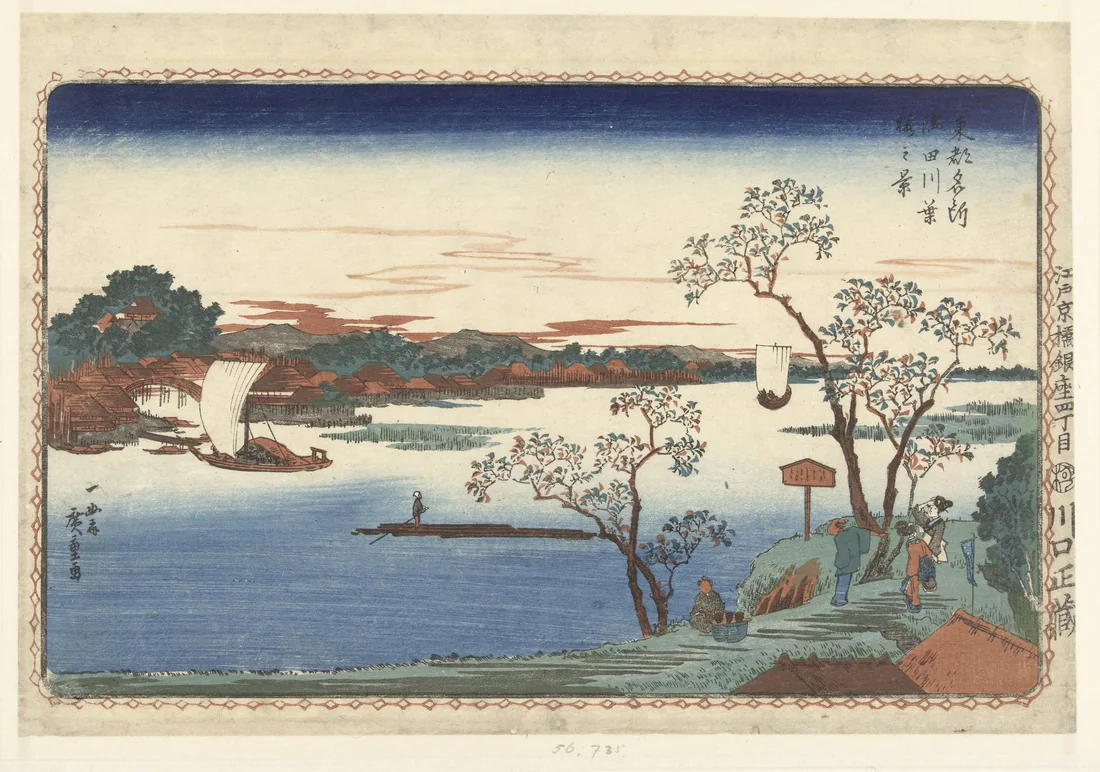 Utagawa Hiroshige
Cherry Trees in Leaf along the Sumida River
from 399 kr
-
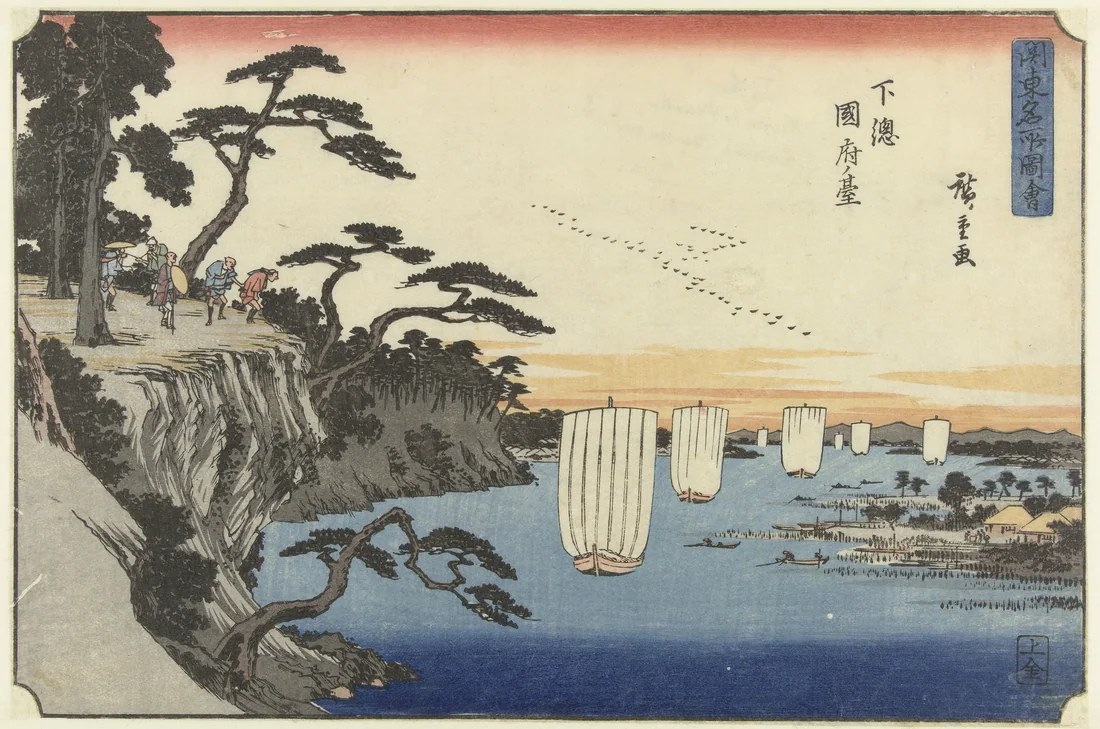 Utagawa Hiroshige
Shimosa Kokufu no Dai
from 399 kr
-
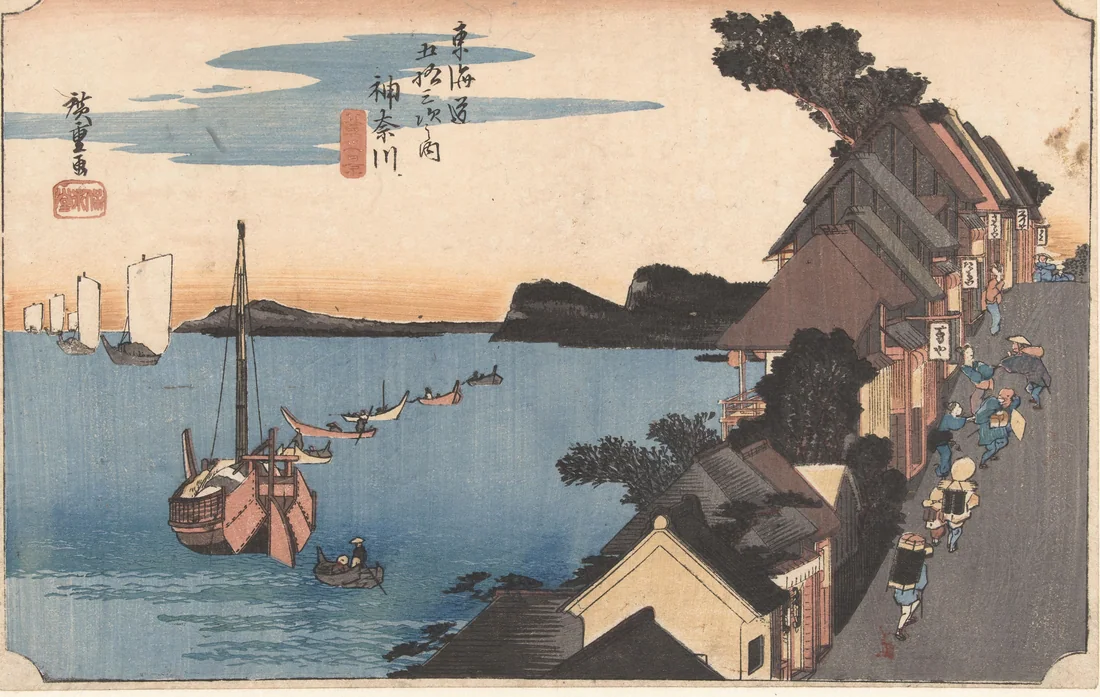 Utagawa Hiroshige
Kanagawa, Uphill
from 399 kr
-
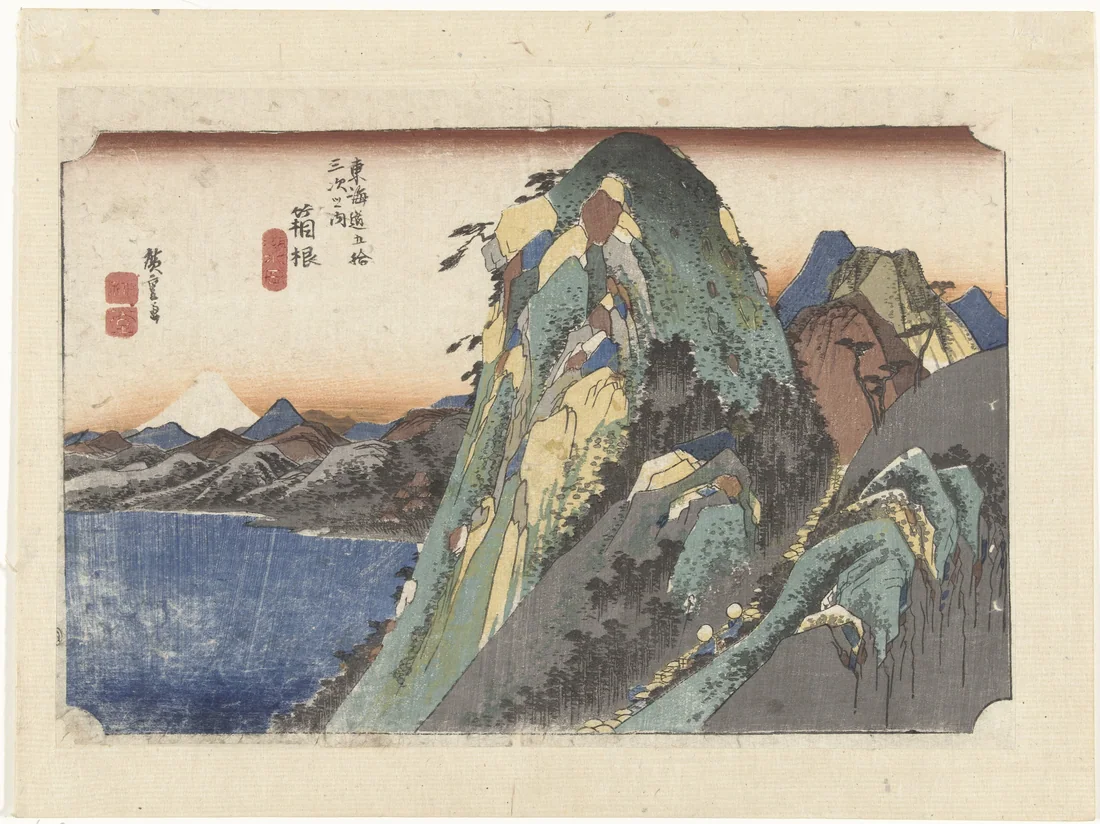 Utagawa Hiroshige
Fifty-three Stations of the Tokaido: Hakone
from 399 kr
-
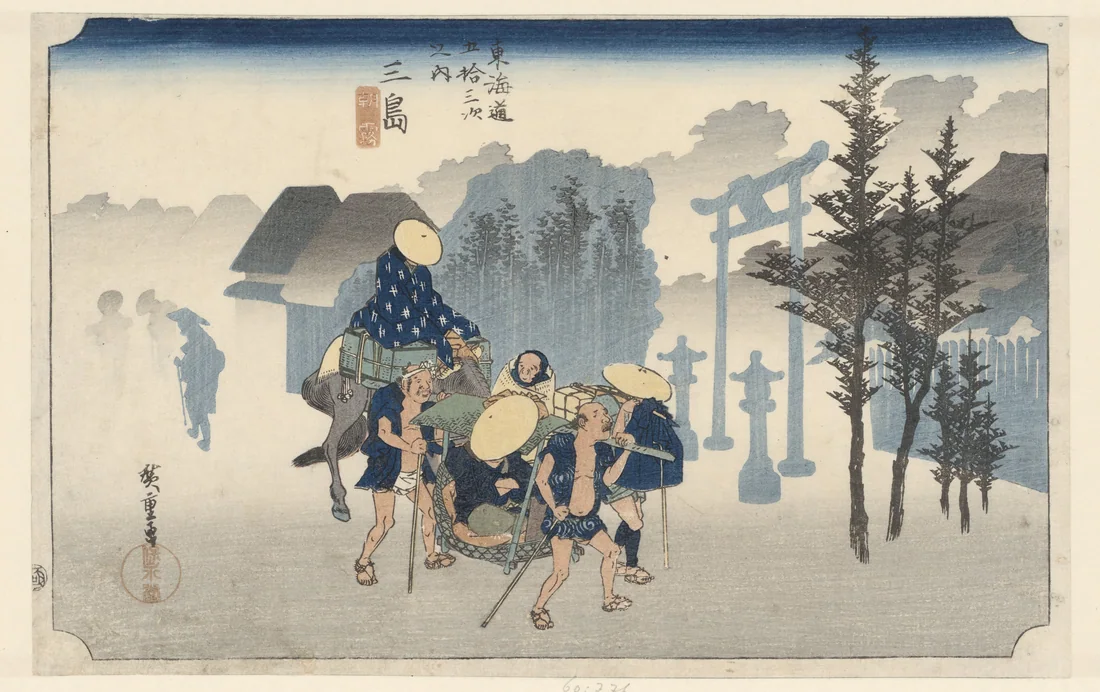 Utagawa Hiroshige
Mishima in Morning Mist
from 399 kr
-
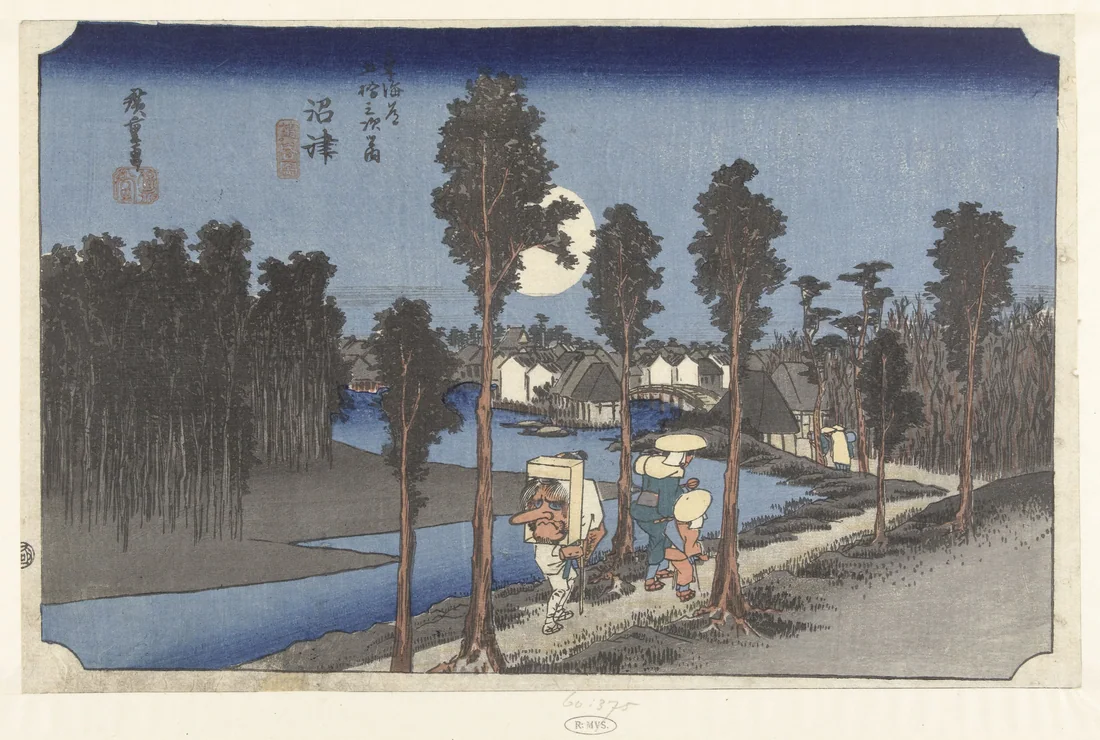 Utagawa Hiroshige
Numazu at Dusk
from 399 kr
-
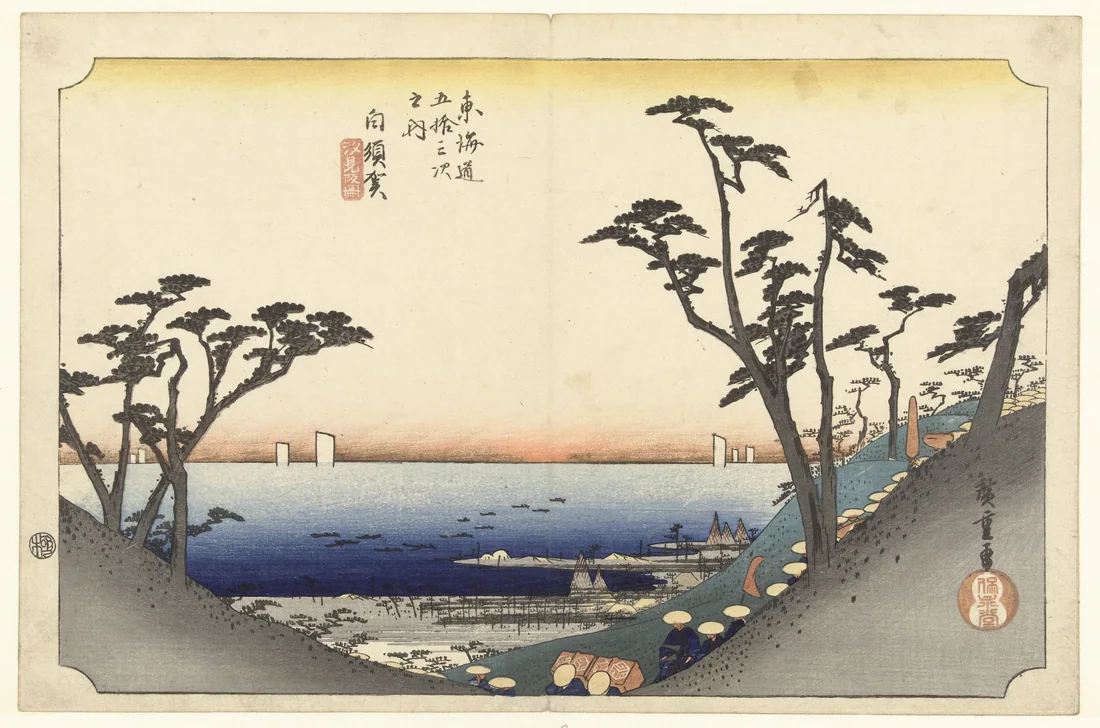 Utagawa Hiroshige
Shirasuka, Shiomisaka no Zu
from 399 kr
-
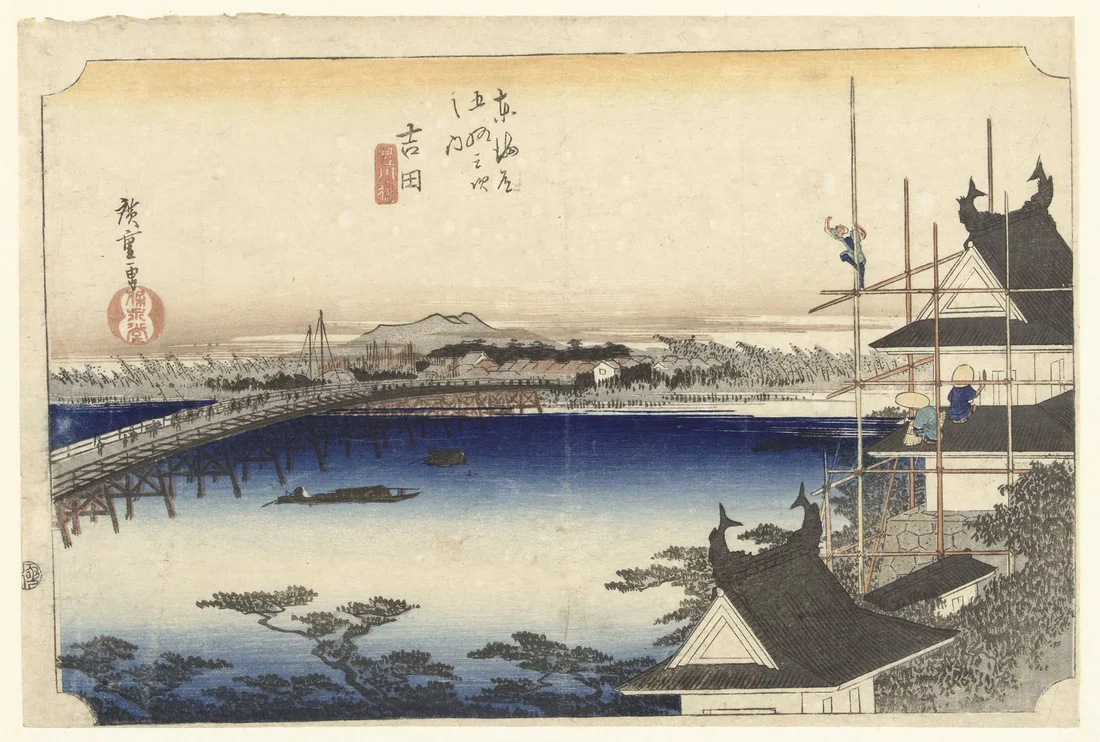 Utagawa Hiroshige
Fifty-three Stations of the Tokaido: Yoshida
from 399 kr
-
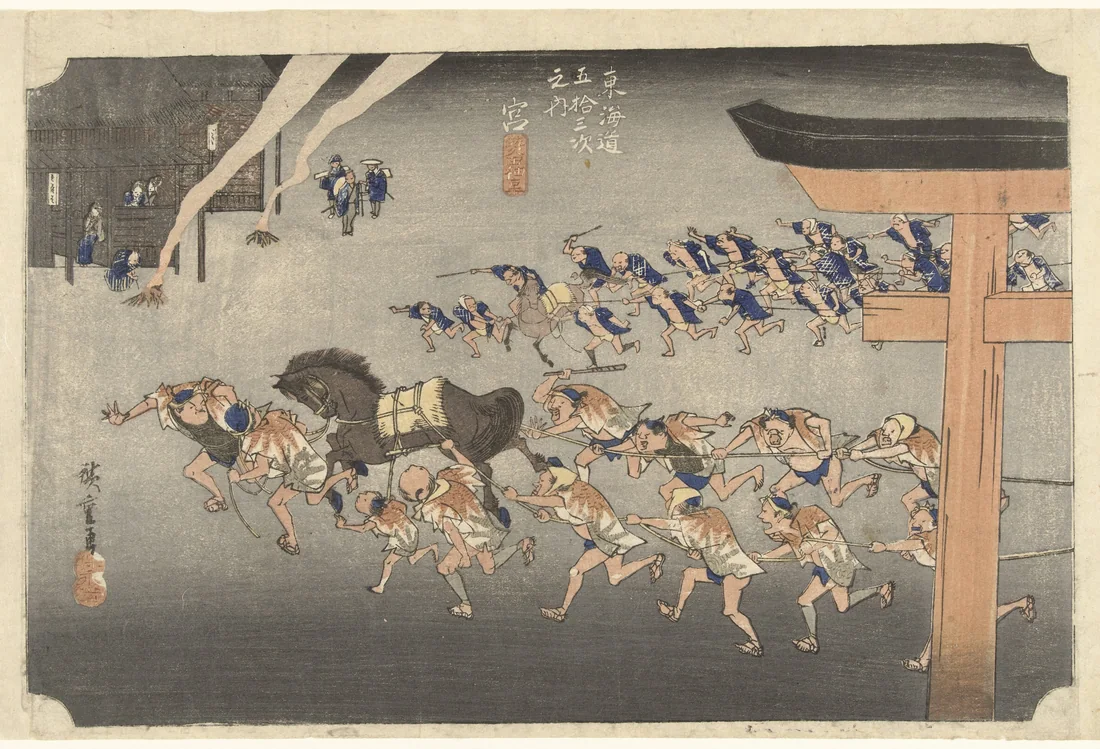 Utagawa Hiroshige
Miya, Atsuta Shinji
from 399 kr
-
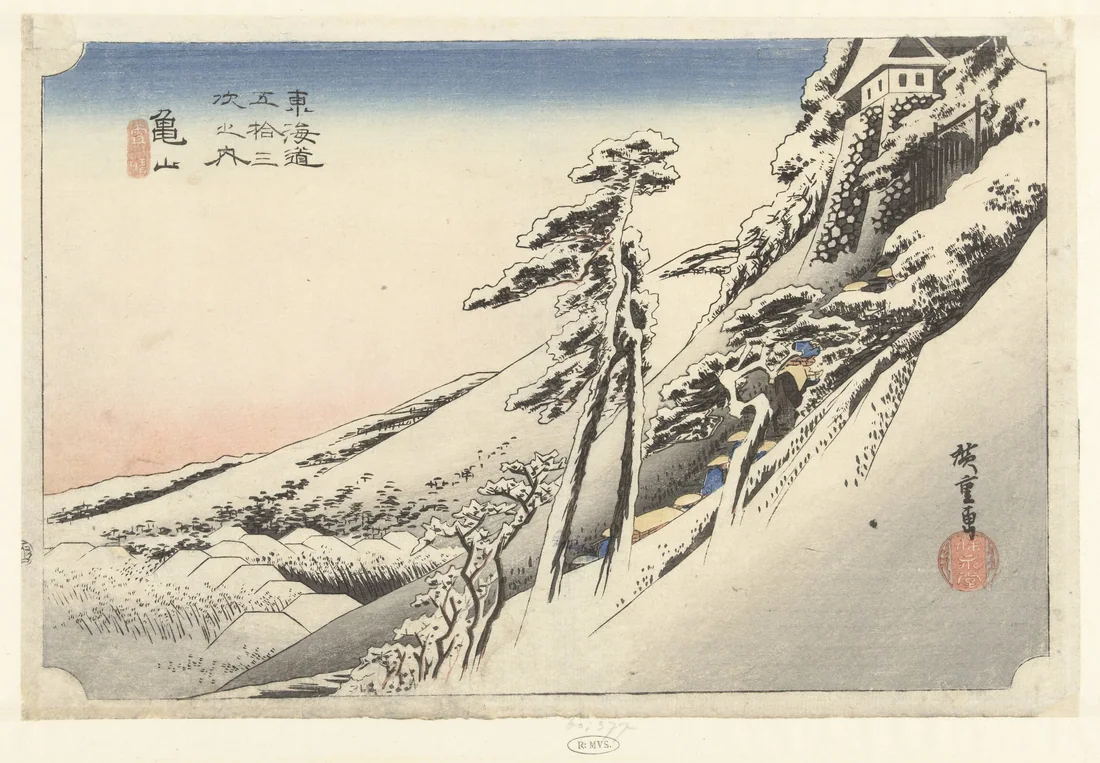 Utagawa Hiroshige
Kamayama, Yukibare
from 399 kr
-
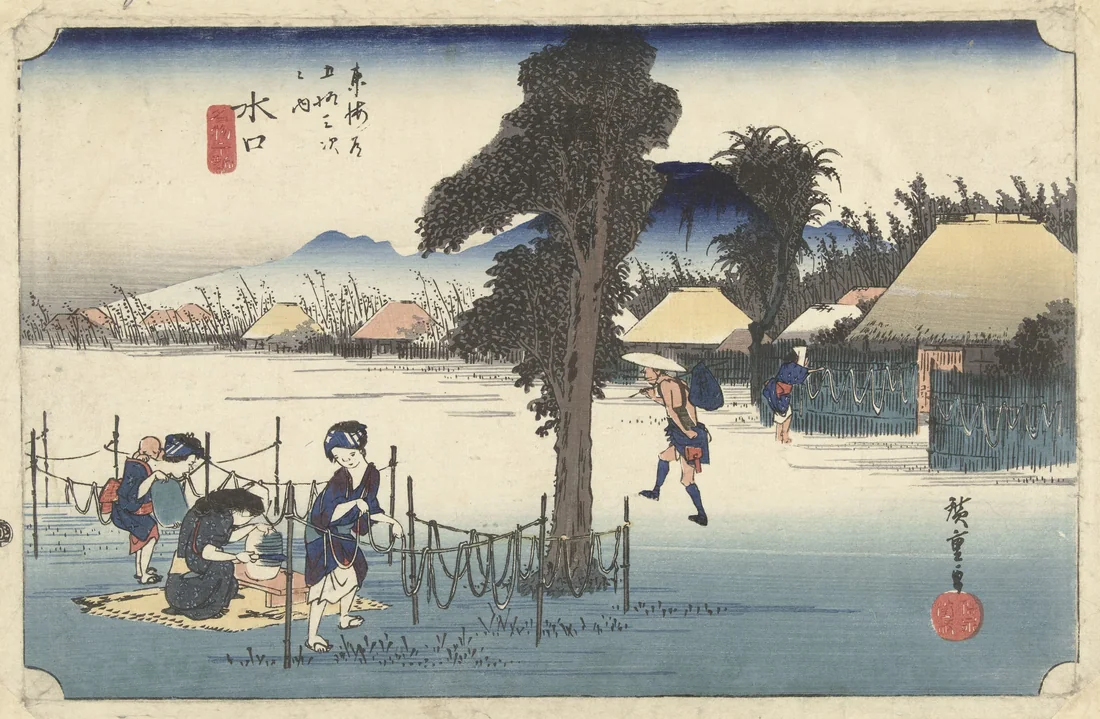 Utagawa Hiroshige
Minakuchi, Meibutsu Kanpyo
from 399 kr
-
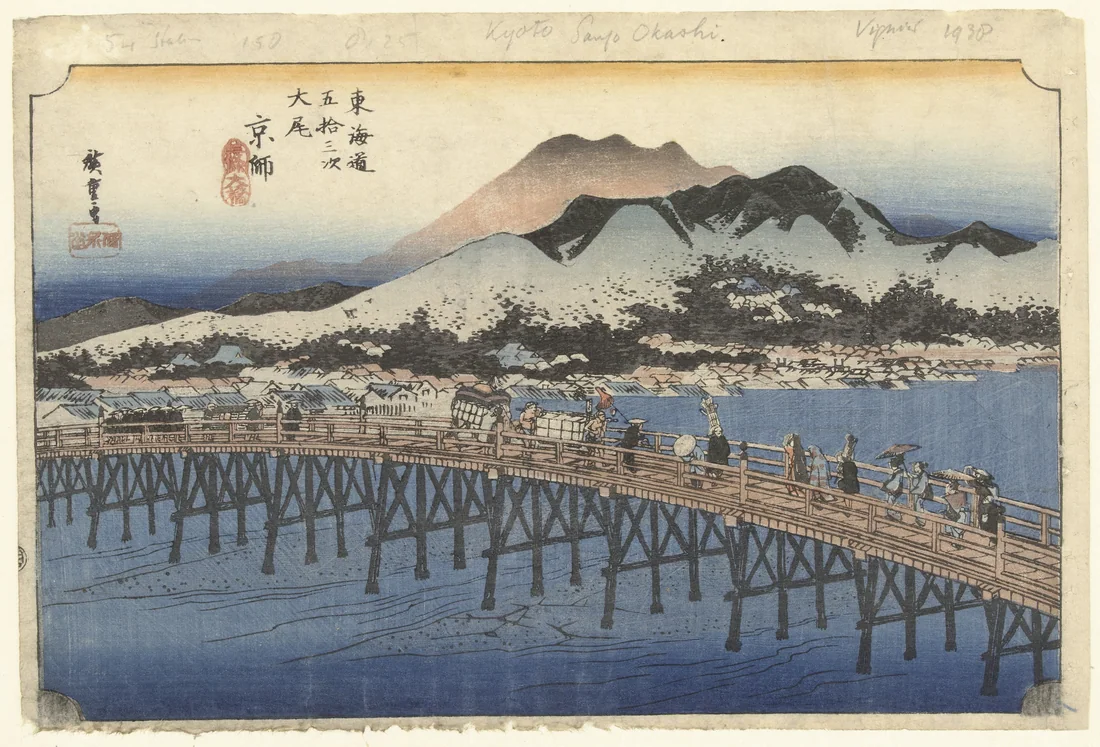 Utagawa Hiroshige
Fifty-three Stations of the Tokaido: Kyoto
from 399 kr
-
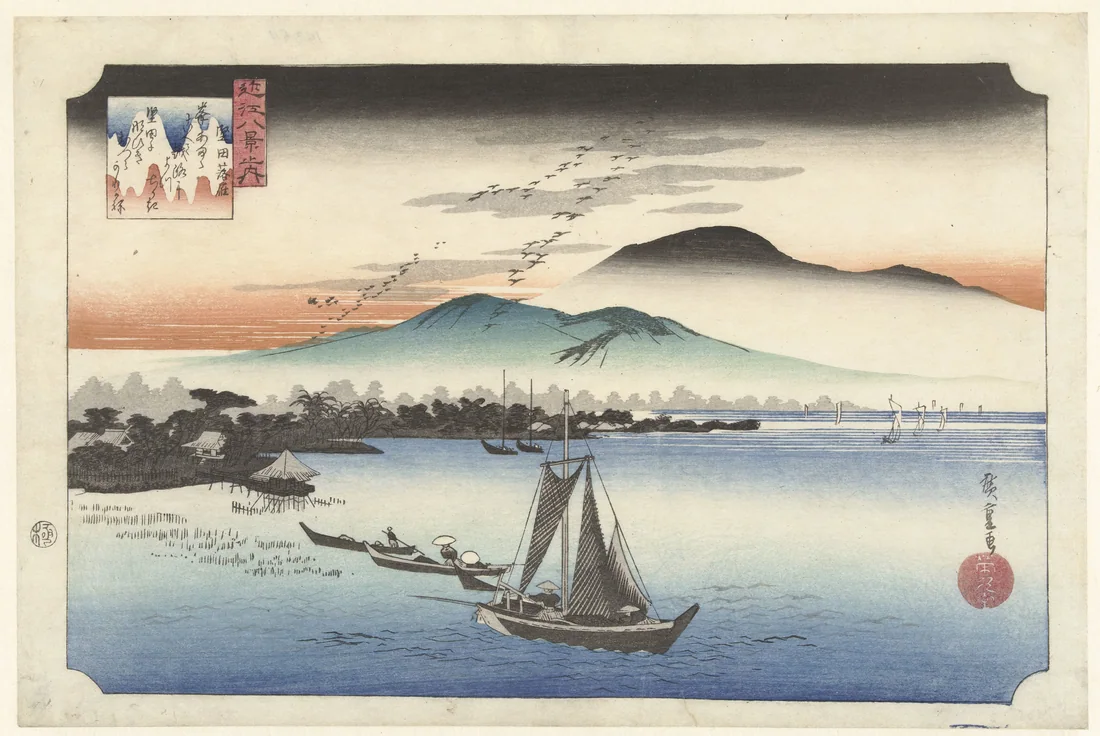 Utagawa Hiroshige
Katata no Rakugan
from 399 kr
-
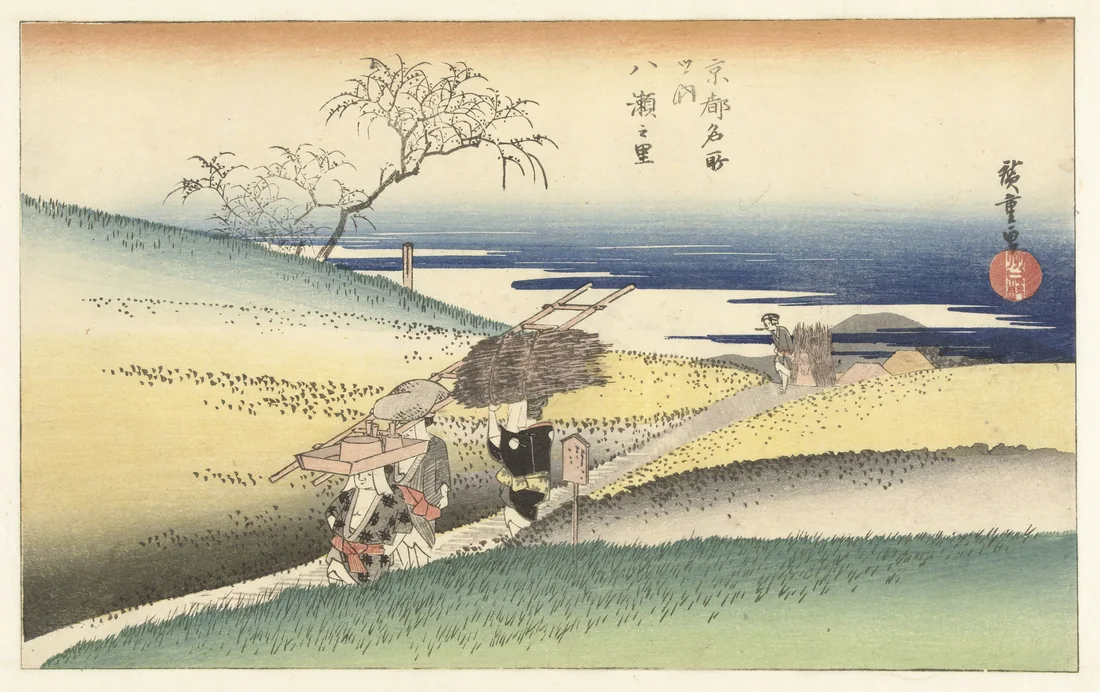 Utagawa Hiroshige
Yase no Sato
from 399 kr
-
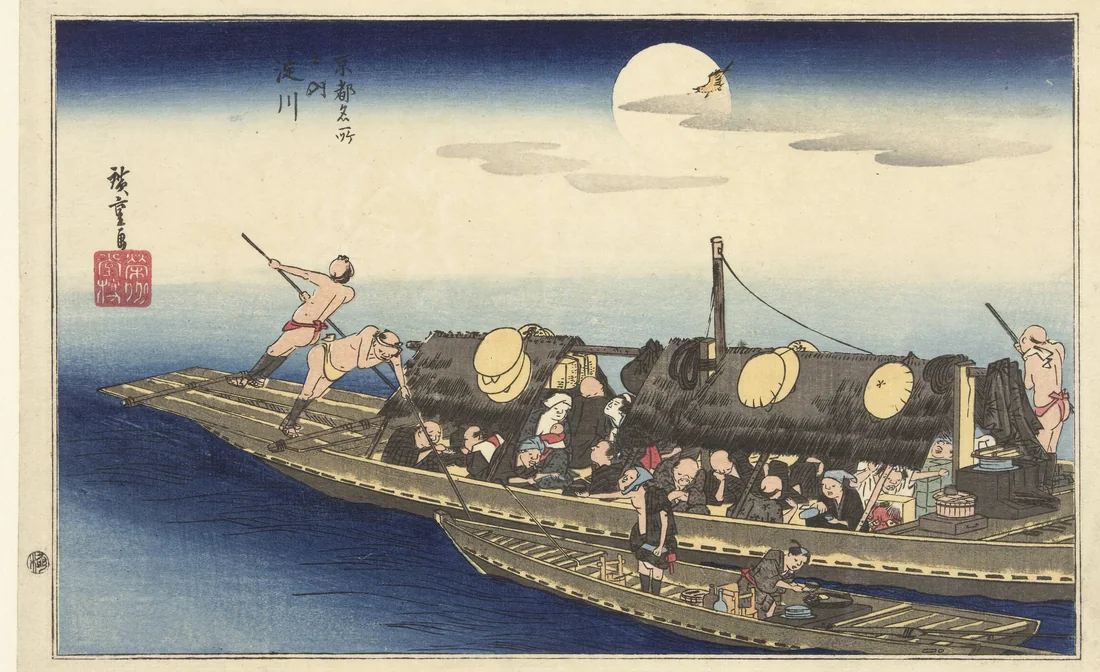 Utagawa Hiroshige
Famous Places in Kyoto: The Yodo River
from 399 kr
-
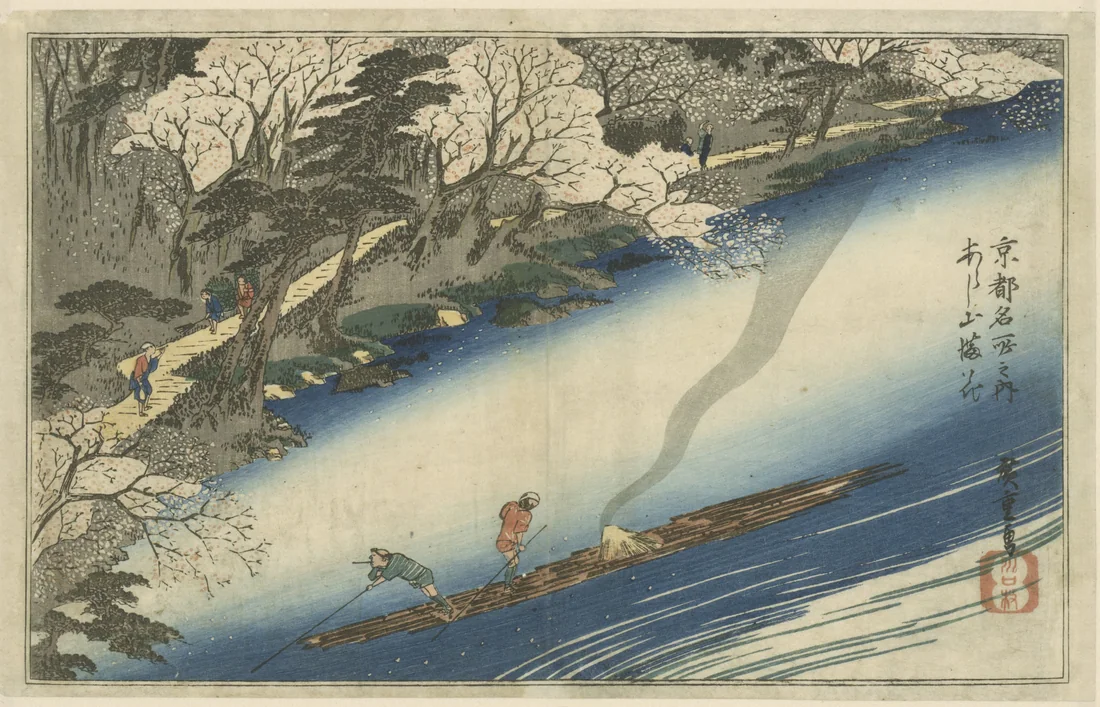 Utagawa Hiroshige
Famous Places in Kyoto: Arashiyama in Bloom
from 399 kr
-
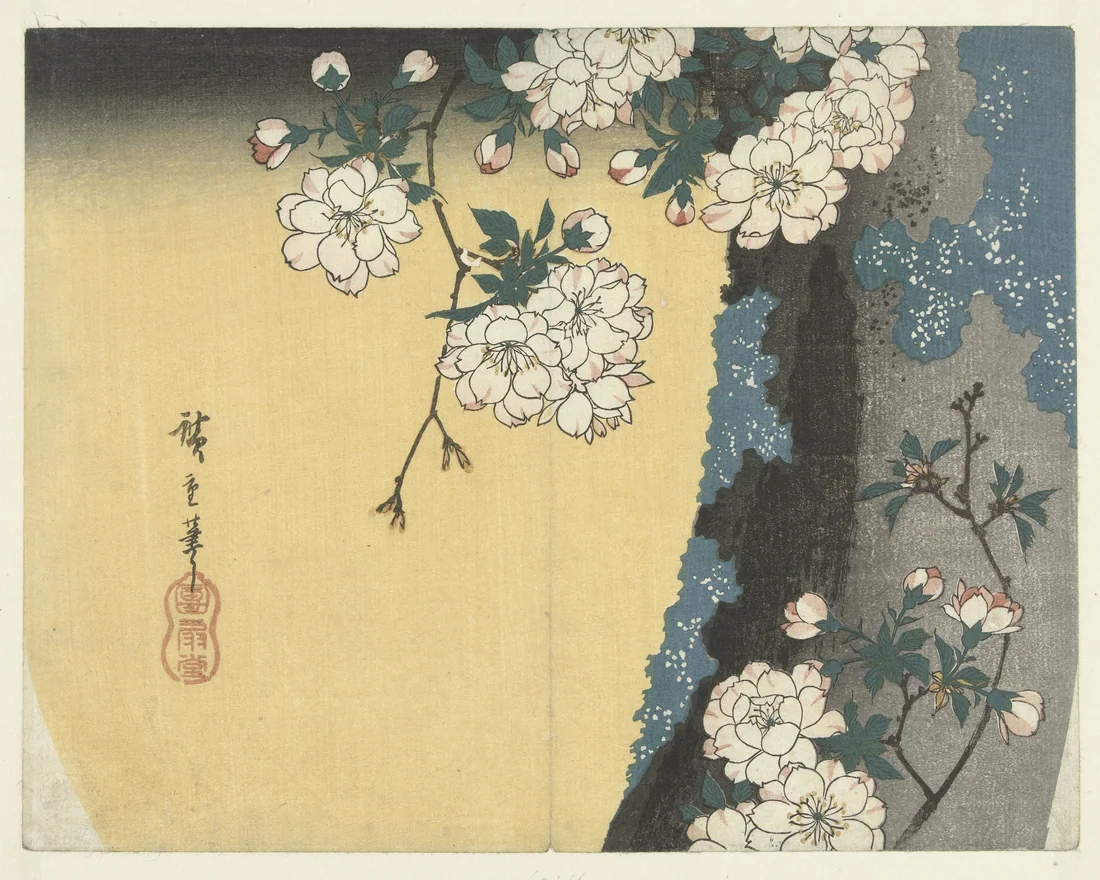 Utagawa Hiroshige
Mossy Trunk and Cherry Blossoms
from 399 kr
-
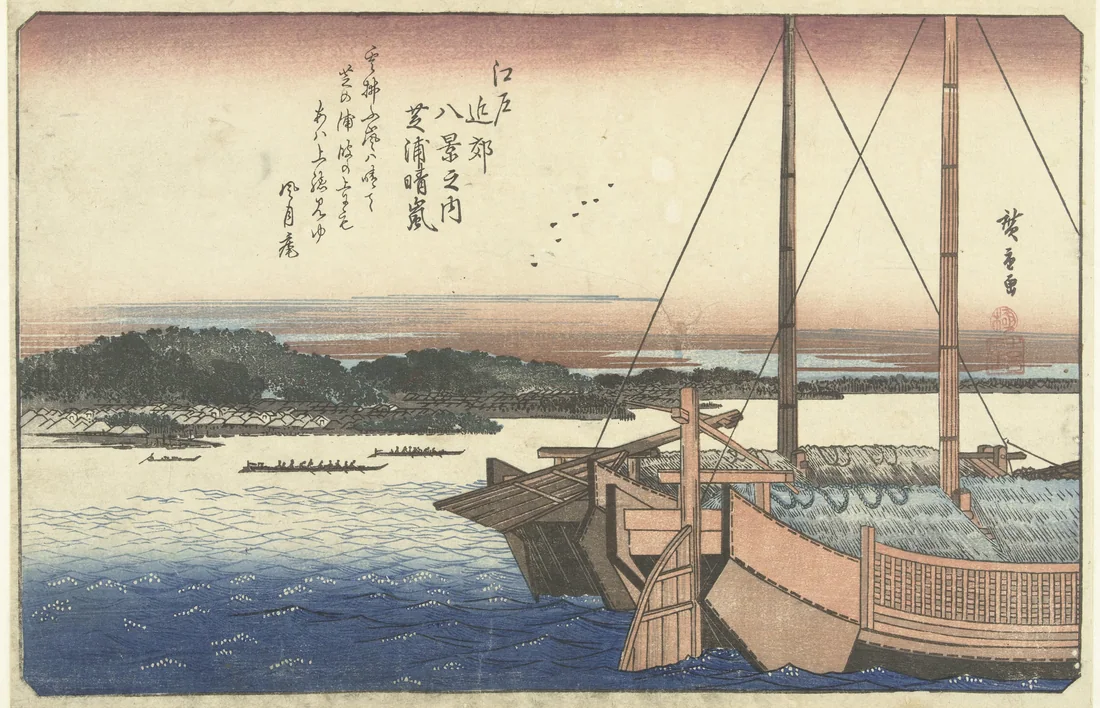 Utagawa Hiroshige
Sunset at the Shore of Shiba
from 399 kr
-
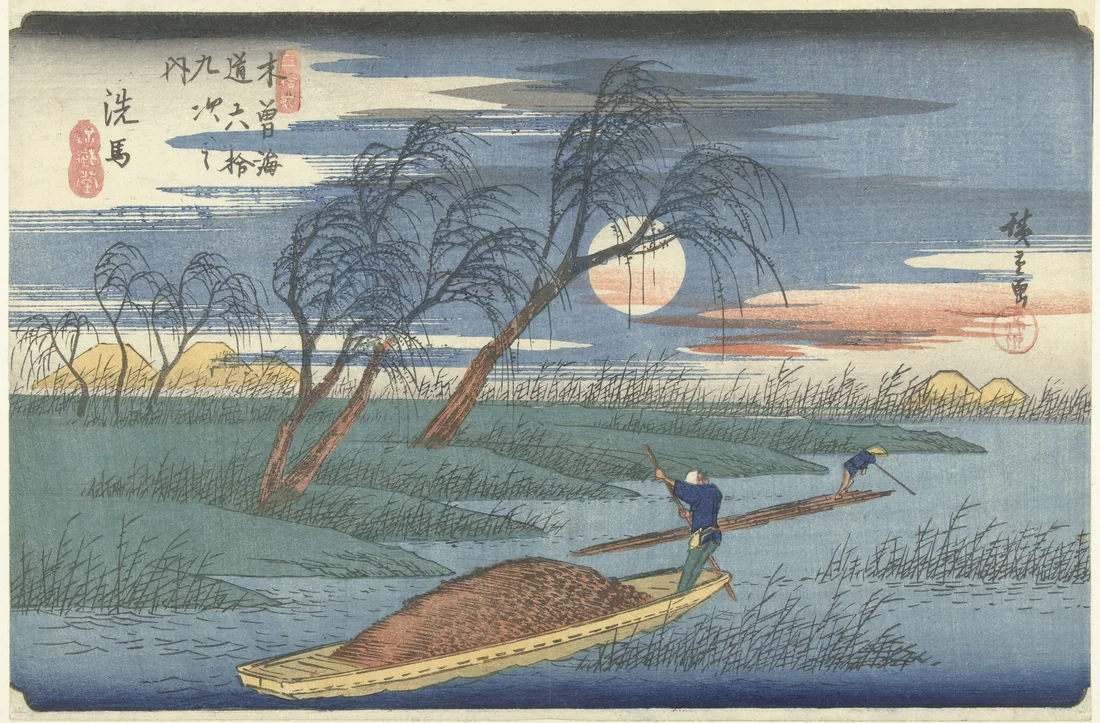 Utagawa Hiroshige
The Sixty-nine Stations of the Kiso Kaido
from 399 kr
-
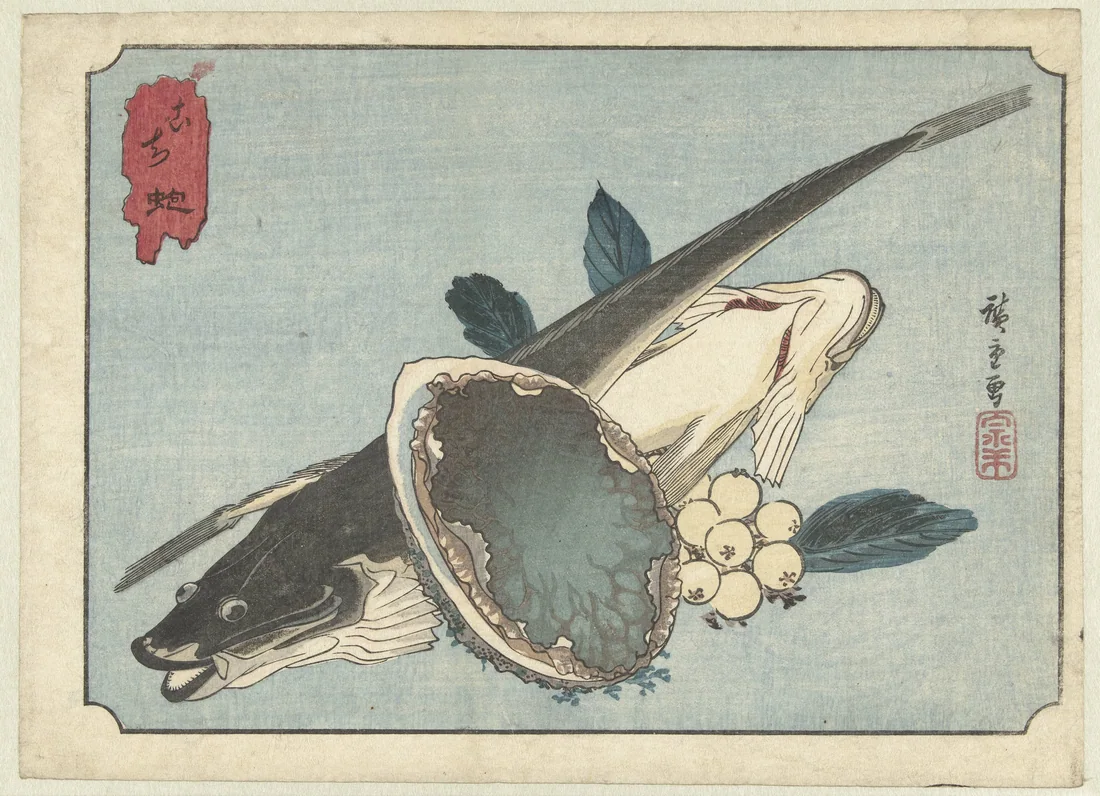 Utagawa Hiroshige
Kochi Awabi
from 399 kr
-
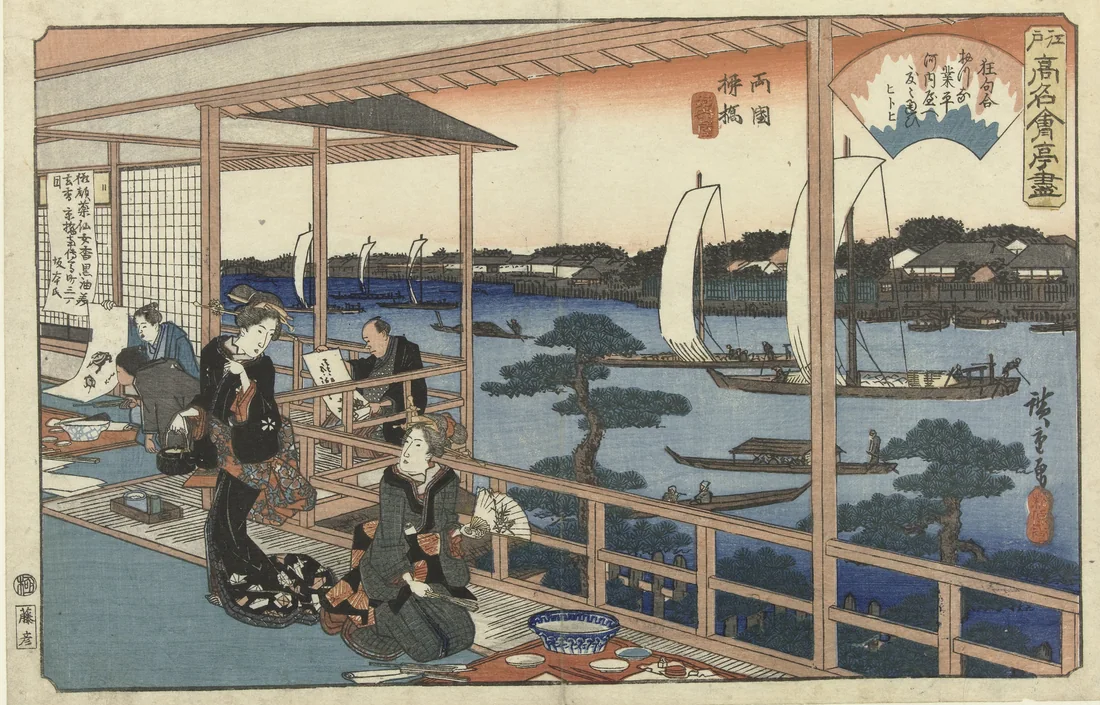 Utagawa Hiroshige
Restaurant Kawachiya in Yanagibashi, Ryogoku
from 399 kr
-
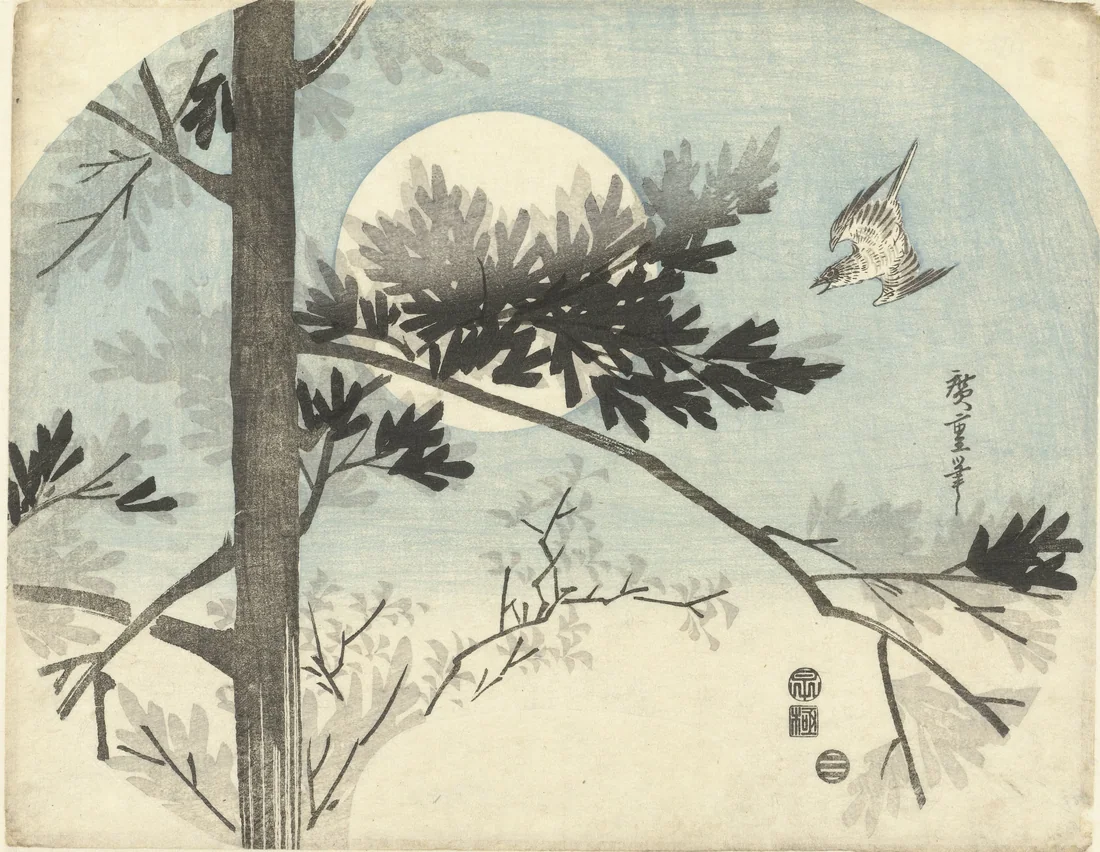 Utagawa Hiroshige
Cuckoo and Pine
from 399 kr
-
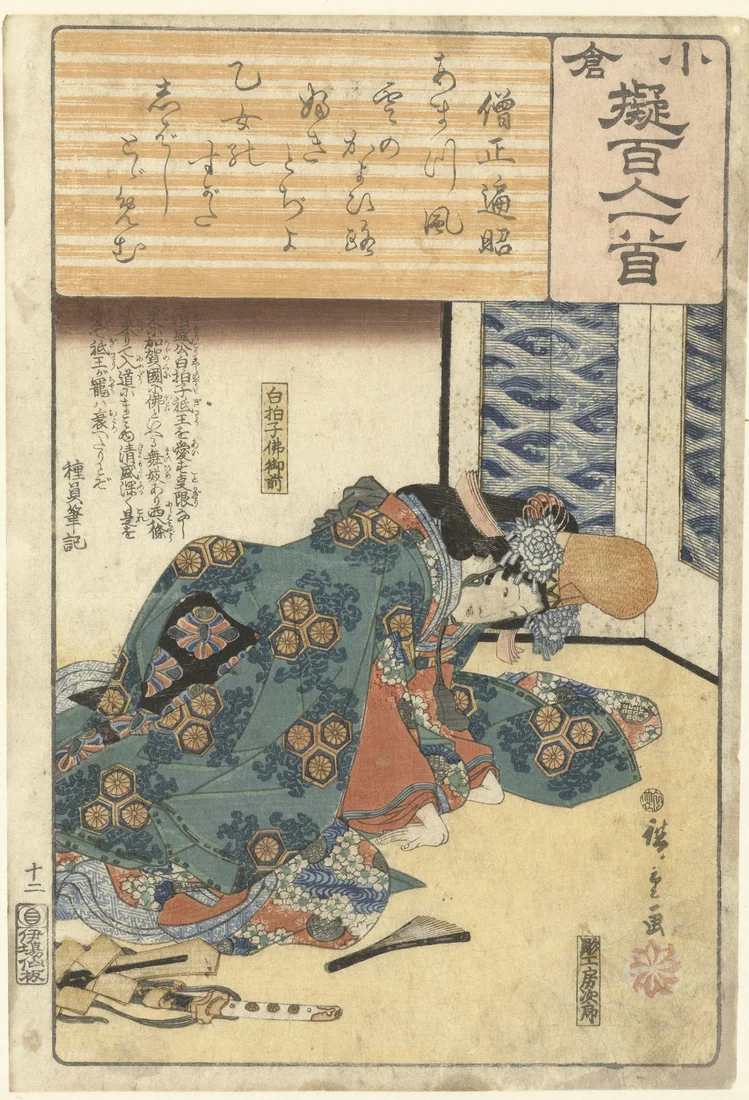 Utagawa Hiroshige
Kneeling Dancer
from 399 kr
-
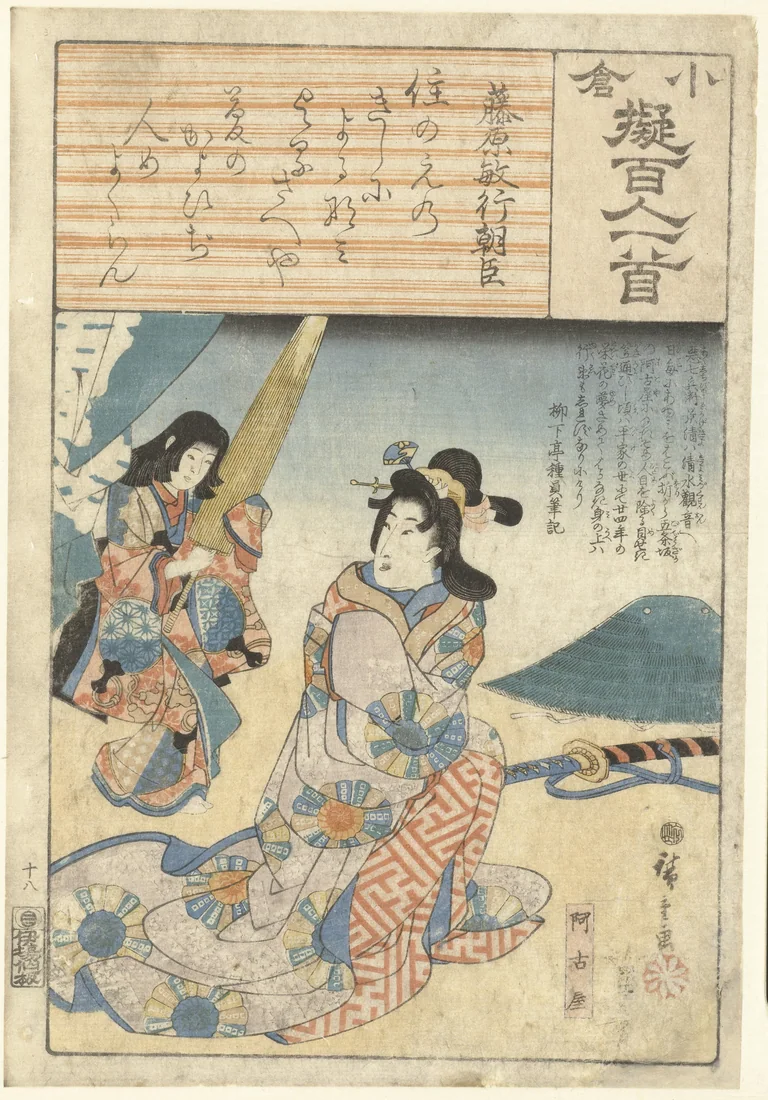 Utagawa Hiroshige
Fujiwara no Toshiyuki Ason
from 399 kr
-
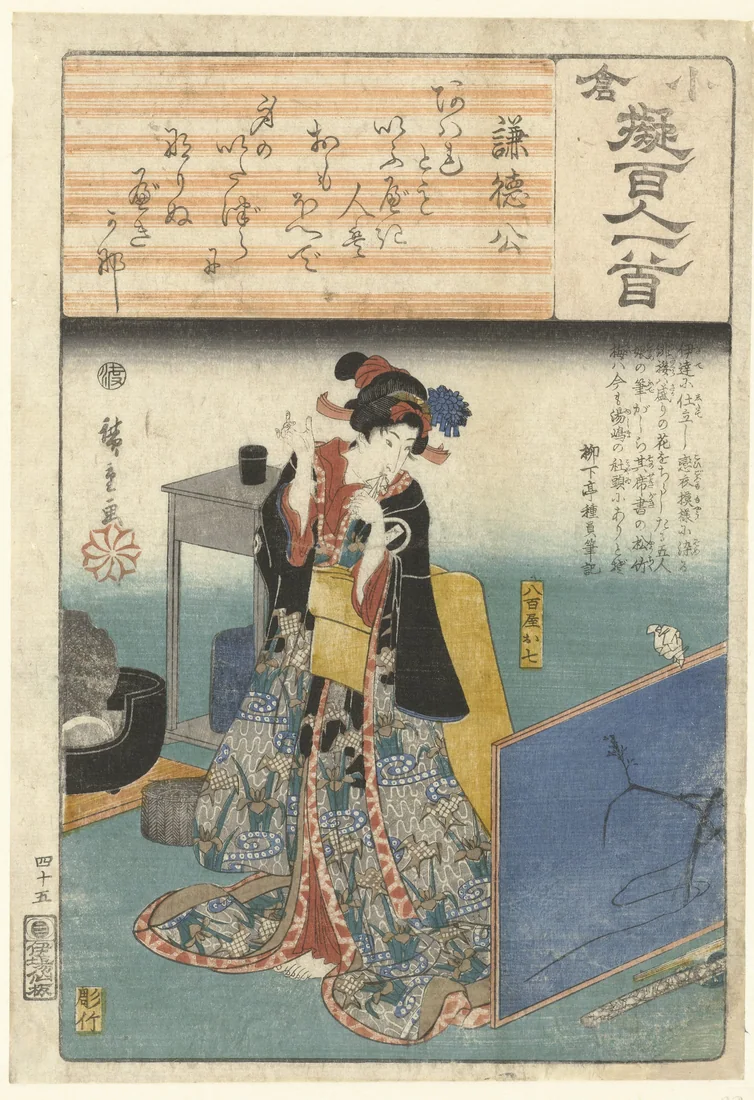 Utagawa Hiroshige
Yaoya Oshichi Looking at Her Sleeping Lover
from 399 kr
-
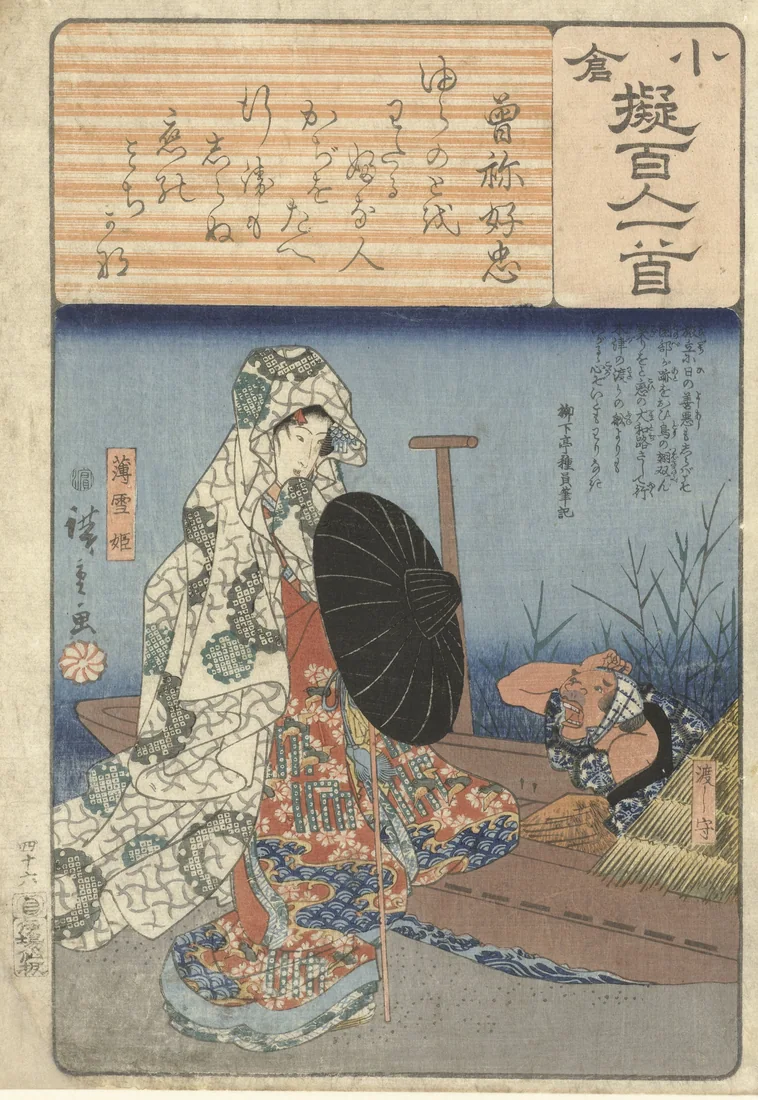 Utagawa Hiroshige
Sone no Yoshitada
from 399 kr
-
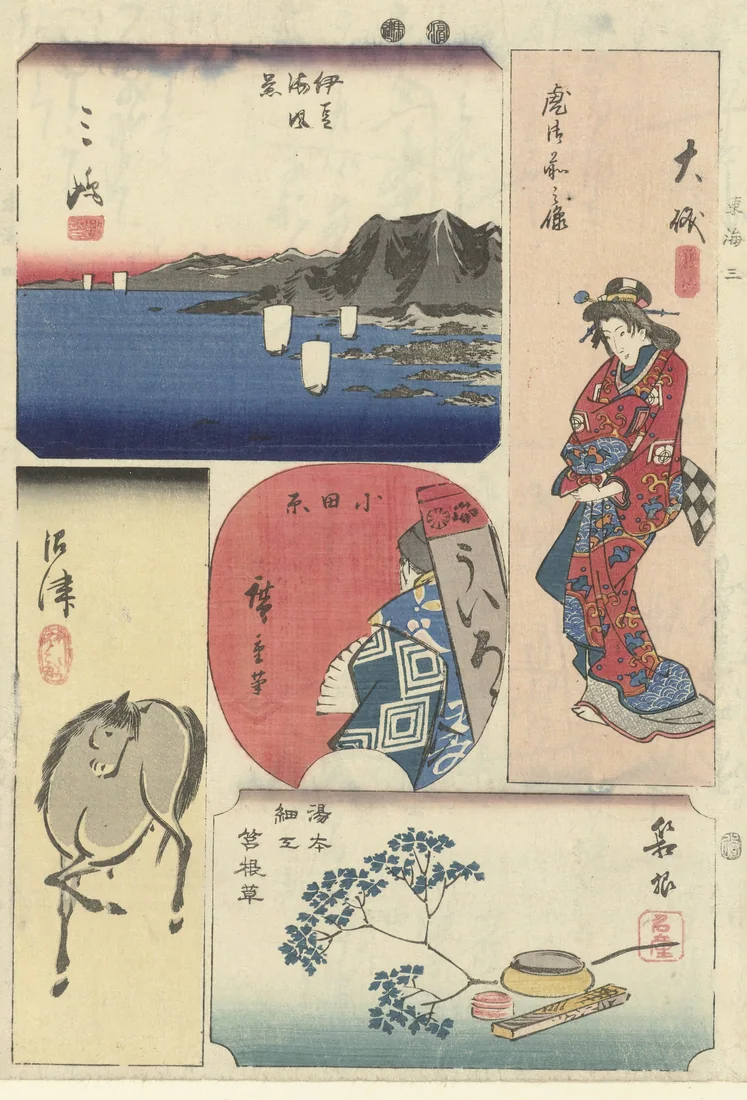 Utagawa Hiroshige
Tokai san
from 399 kr
-
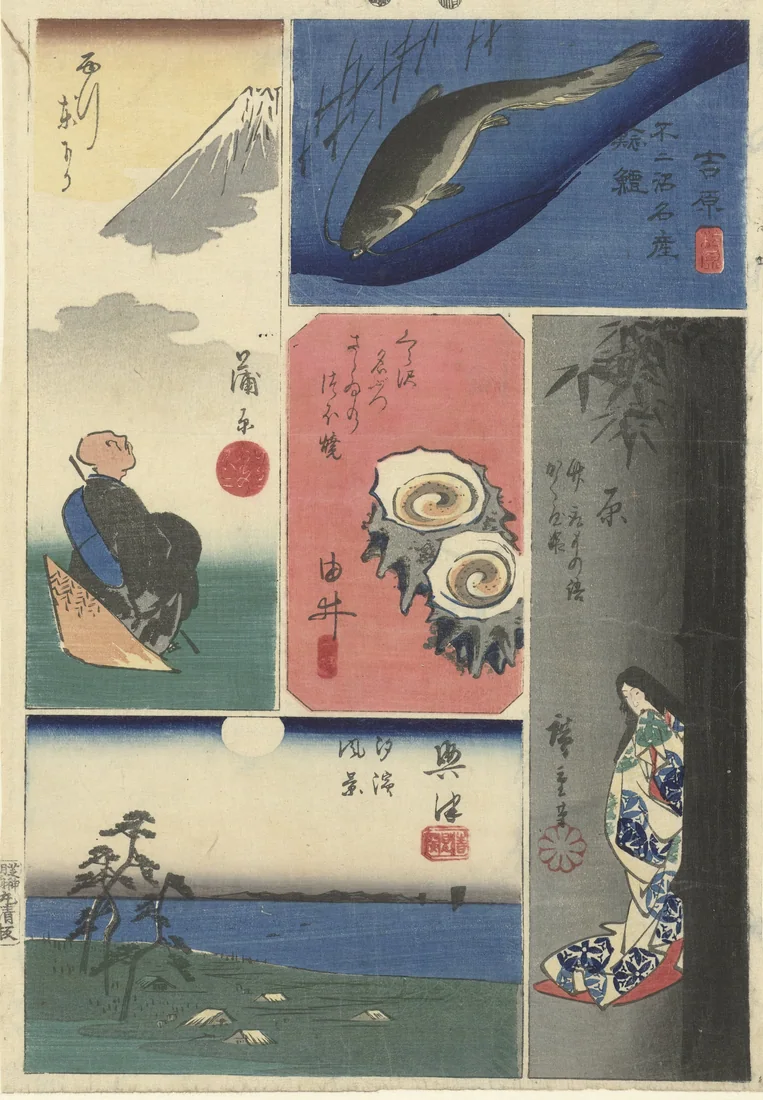 Utagawa Hiroshige
Tokai yon
from 399 kr
-
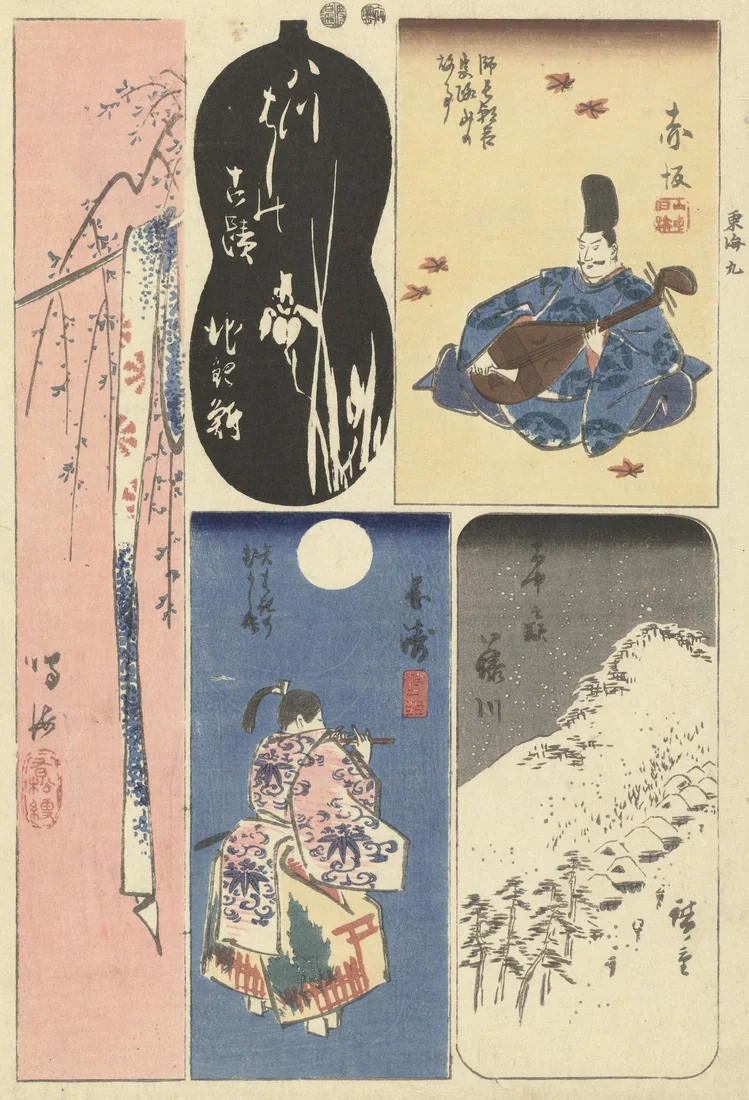 Utagawa Hiroshige
Number Nine of the Tokaido
from 399 kr
-
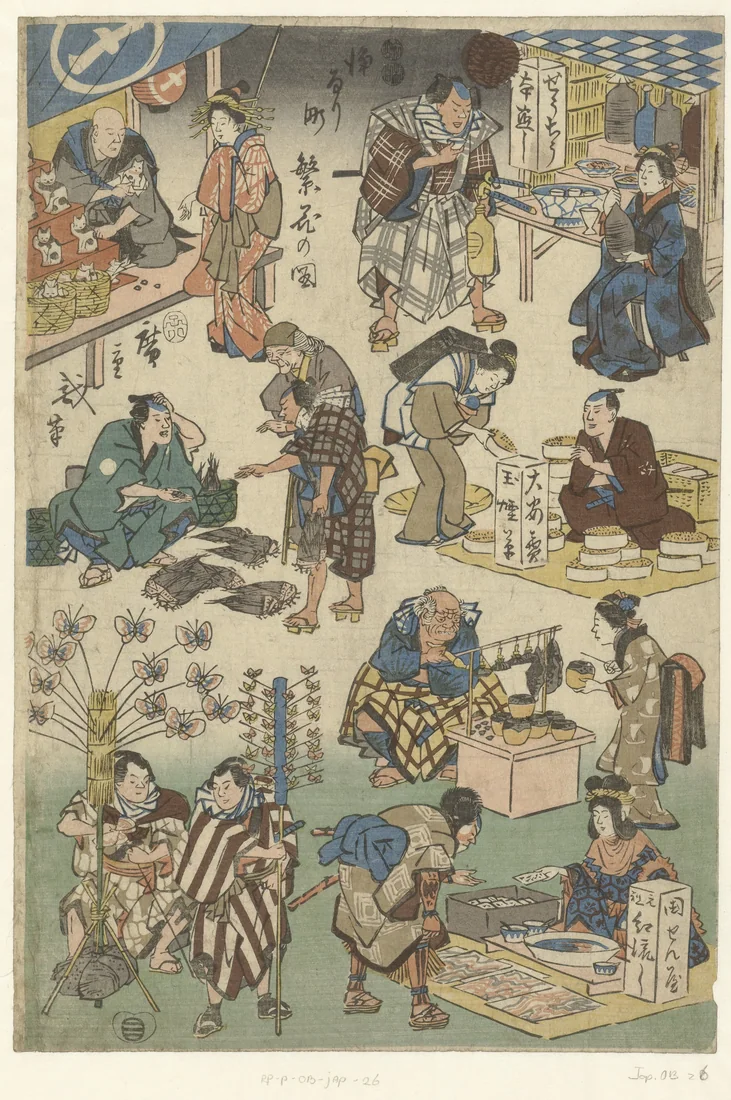 Utagawa Hiroshige
Jorurimachi Hanka no Zu
from 399 kr
-
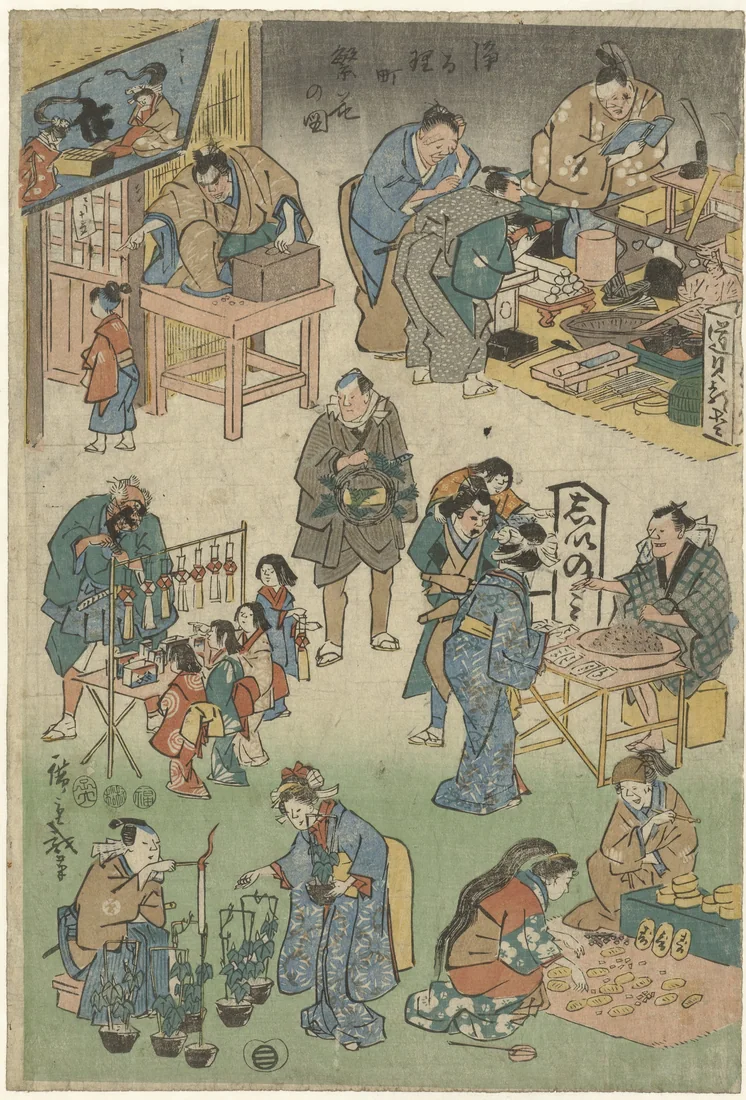 Utagawa Hiroshige
Image of Prosperity in Joruri Street
from 399 kr
-
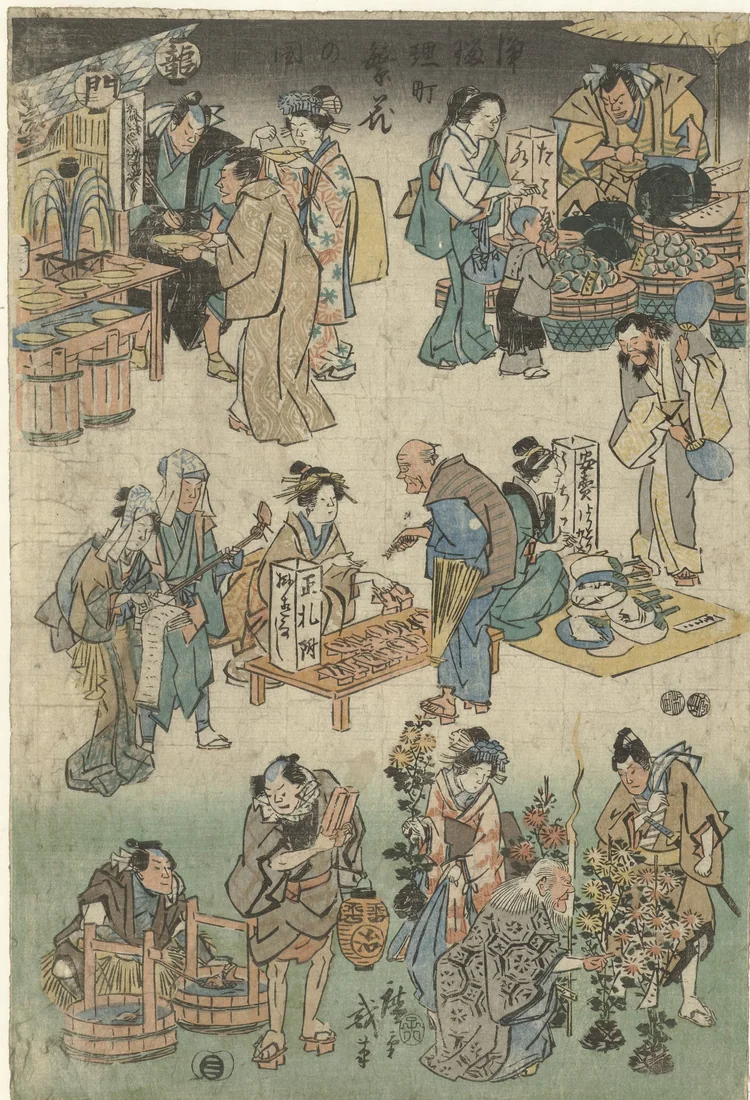 Utagawa Hiroshige
Evening Market in Joruri Street
from 399 kr
-
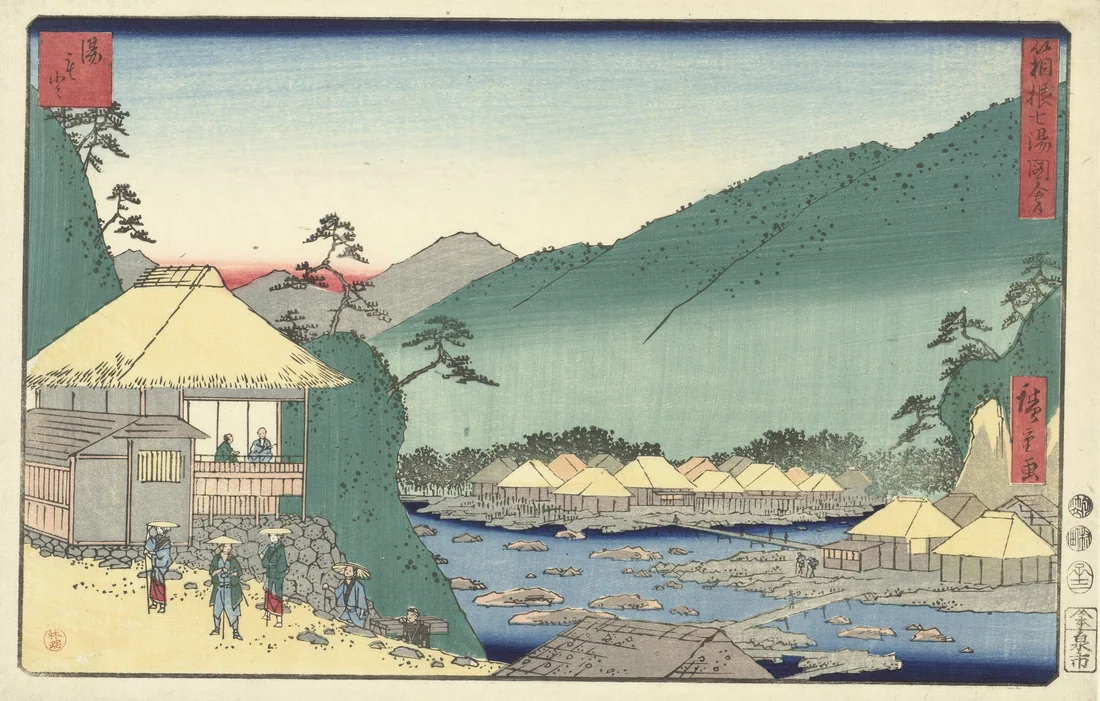 Utagawa Hiroshige
Hakone Shichito zue
from 399 kr
-
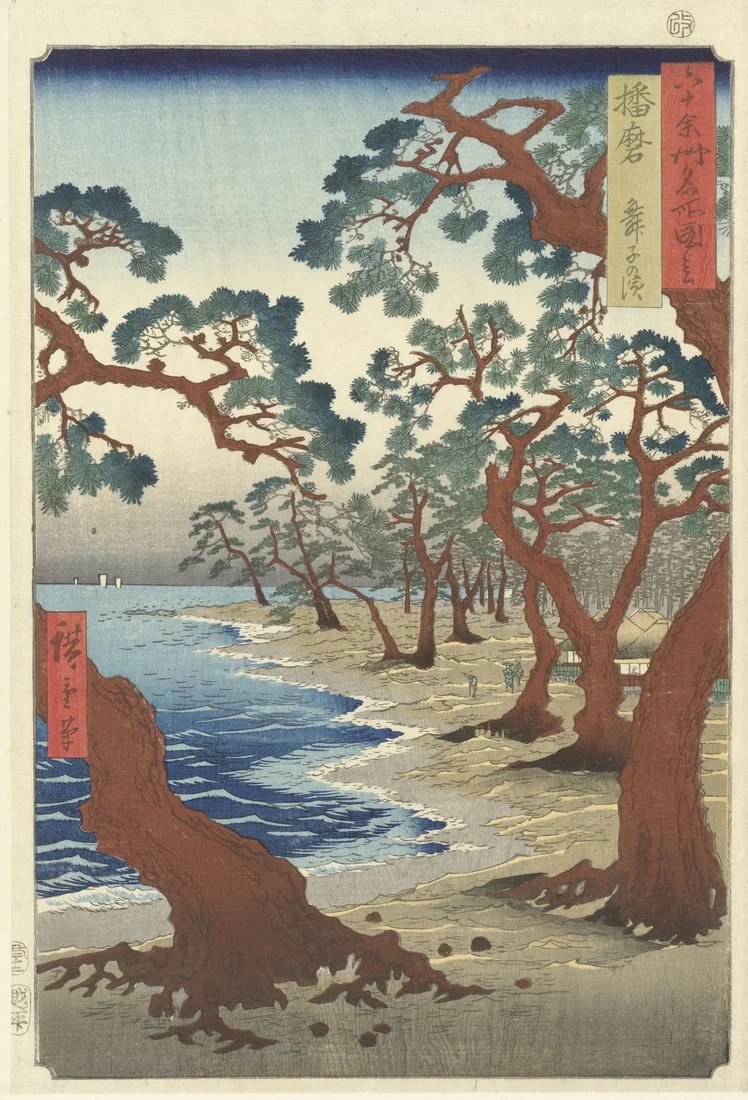 Utagawa Hiroshige
Harima Maiko no hama
from 399 kr
-
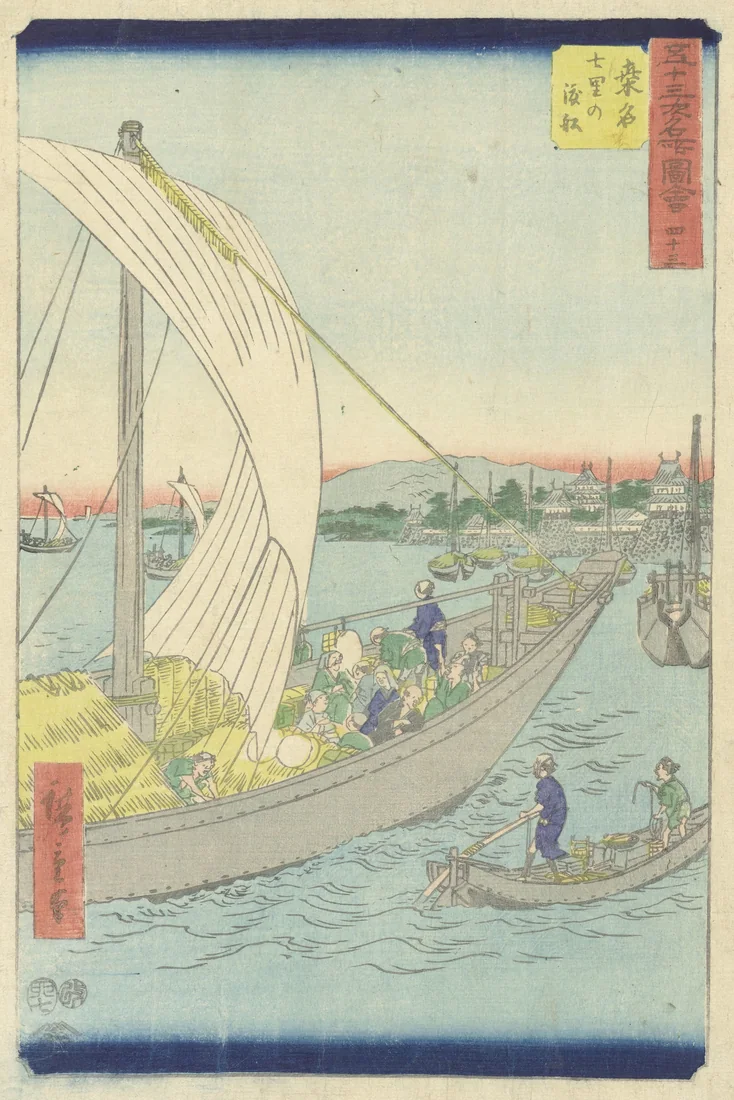 Utagawa Hiroshige
Gojusan tsugi meisho zue
from 399 kr
-
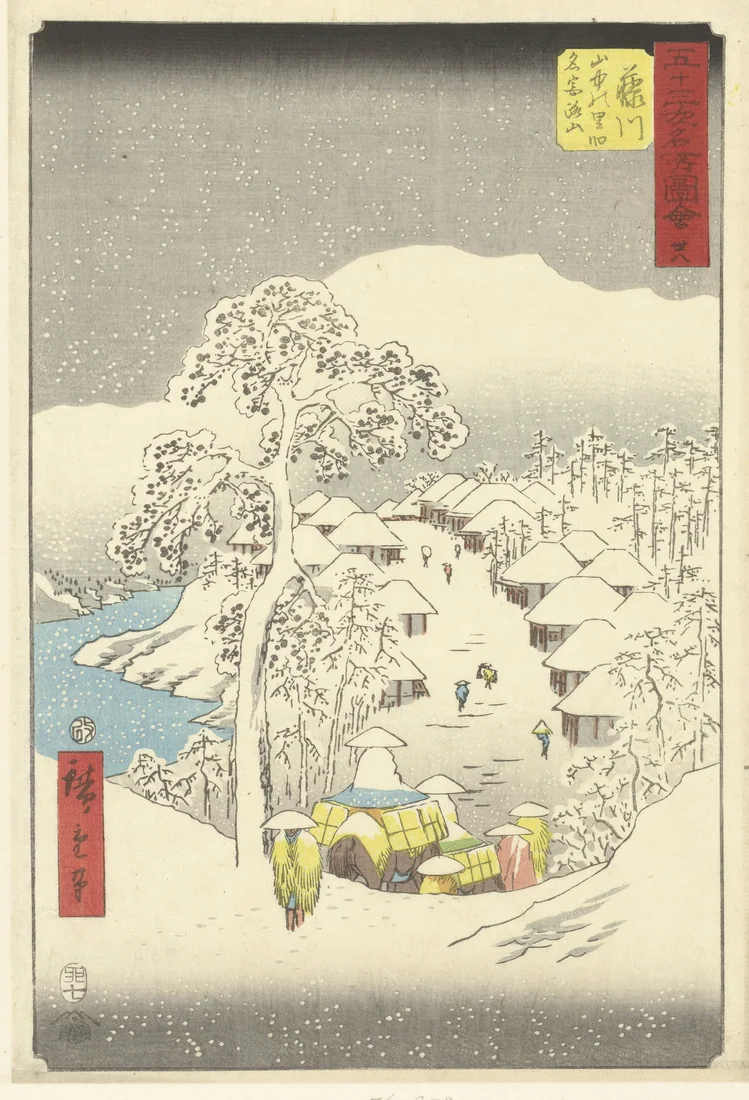 Utagawa Hiroshige
Fujikawa, a Mountain Village Also Called Fujiyama
from 399 kr
Our Hiroshige prints are made from high-resolution museum scans of original impressions, and reproduce the whole sheet, including the cartouches with the title and series name. The blues, greys and rust-reds sit well in calm interiors, from pale Scandinavian rooms to warm wood and linen.
Most of the prints are vertical, like the originals. Each print page shows the sizes the museum scan supports; only the most detailed scans go up to 70×100 cm.
Questions
Hiroshige vs Hokusai: what is the difference?
Hokusai (1760–1849) is the older of the two and the bolder: strong forms, drama, the Great Wave from Thirty-six Views of Mount Fuji (c. 1830–32). Hiroshige (1797–1858) is the quieter: weather, light and everyday places, rain over a bridge, fireworks over a river, in One Hundred Famous Views of Edo (1856–58). On a wall, Hokusai shouts a little and Hiroshige sets a mood. We print both.
Are these original woodblock prints?
No. They are fine art prints made from museum scans of original 1850s woodblock impressions, printed on matte fine art paper. The originals are in the public domain.
Which Hiroshige print is the most famous?
Sudden Shower over Shin-Ohashi Bridge and Atake (1857) is among the best known; Van Gogh painted his own copy of it in 1887.